
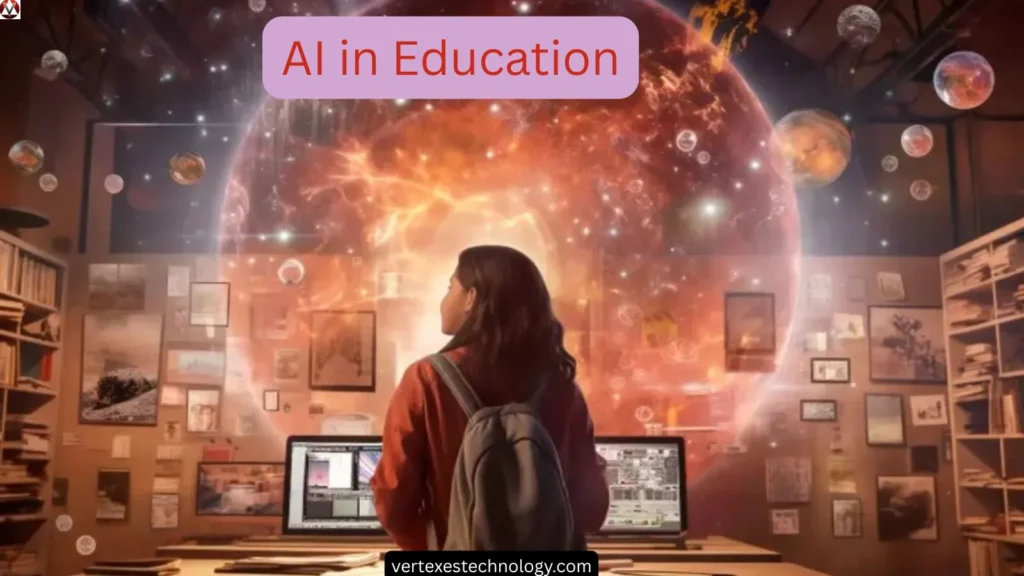
Artificial intelligence is reshaping learning in ways that were once unimaginable. Artificial intelligence in education allows schools to personalize lessons, assess students instantly, and automate tedious tasks. From K-12 classrooms to higher education, generative AI in schools is changing how teachers interact with students and how students engage with content. This digital learning transformation creates opportunities for innovation while raising questions about ethics, privacy, and teacher roles.
AI is not just a futuristic concept. Today, AI tools for teachers and administrators help manage classrooms efficiently, analyze learning trends, and provide individualized feedback. Students benefit from AI for student learning through adaptive technology that adjusts the pace of lessons, provides practice exercises, and supports learning outside the classroom. Educators who understand these tools can harness AI to improve engagement and outcomes, while addressing AI and academic integrity issues.
What Is AI in Education?
Artificial intelligence in education refers to software systems and algorithms that replicate human intelligence to enhance learning. These systems analyze student performance, predict learning gaps, and help teachers design lessons with AI-assisted curriculum design. Unlike simple automation, AI can make decisions, adapt to individual learners, and improve over time.
Schools use AI in multiple ways. In classrooms, machine learning in classrooms helps track student progress and recommend tailored content. Teachers use AI lesson planning tools to create customized activities, while AI grading systems automatically assess assignments. Over time, AI evolves to provide more precise insights, making learning both effective and efficient. Students begin to benefit from a truly personalized experience, prompting questions like How does generative AI affect learning? and Is AI good for students?
How AI Is Transforming Classrooms in 2025
By 2025, AI is expected to fully integrate into classrooms. Adaptive learning technology allows platforms to adjust lesson difficulty according to each student’s needs. AI-powered analytics highlight struggling students in real time, so interventions can happen immediately. This ensures that all learners progress at their own pace and reduces frustration.
Virtual AI tutors and assistants are also becoming common. These AI tutoring systems provide support outside school hours, answering questions and explaining concepts. AI-powered learning platforms help teachers streamline lesson delivery, while AI-driven assessment tools reduce administrative burdens. Consequently, educators can focus more on engagement and mentorship, addressing concerns about Risks of AI in classrooms and AI cheating in schools effectively.
Key Benefits of AI in Education
AI offers numerous benefits for both teachers and students. It provides instant feedback, allowing students to understand their mistakes quickly and improve. AI in K-12 education and AI in higher education ensures lessons cater to diverse learning styles, supporting inclusive education. Teachers can also automate grading and classroom management using classroom automation tools, freeing time for more interactive instruction.
Students enjoy more engagement and motivation through gamified learning, AI-generated practice problems, and interactive content. The use of AI academic support tools allows schools to offer specialized assistance for students with disabilities or learning differences. Furthermore, AI’s analytical capabilities enhance lesson design, helping teachers achieve better outcomes and highlighting AI personalized learning benefits that were previously unattainable.
AI in Education Examples (Real-World Applications)
Several platforms demonstrate AI’s practical impact in classrooms. Tools like Canva Magic Write and Curipod serve as AI lesson planning tools, helping teachers design dynamic lessons quickly. AI-powered LMS platforms such as Blackboard and Moodle track student engagement, while AI chatbots answer student queries around the clock.
Additionally, AI image generation helps students create visuals for projects, enhancing creativity. AI writing assistants guide students to improve their essays, while AI-based student assessment provides instant grading. These applications answer common questions like How is AI used in schools? and illustrate how technology supports both learning and teaching without replacing human educators entirely.
AI in Education Advantages and Disadvantages
The advantages of AI include personalized learning, increased efficiency, and better accessibility. AI saves teachers time, improves student engagement, and provides data-driven insights for curriculum improvement. Educational technology (EdTech) powered by AI ensures lessons can meet every learner’s needs while promoting digital literacy.
However, disadvantages exist. Overreliance on AI can reduce human interaction, and algorithmic bias can create unfair outcomes for certain students. Ethical concerns arise regarding data privacy, assessment accuracy, and AI bias in grading systems. Therefore, while AI can enhance education, administrators must weigh What are the pros and cons of AI in education? to ensure equitable and effective use.
Challenges and Risks of AI in Schools
AI in classrooms carries risks that schools cannot ignore. Privacy concerns with AI in education are significant as student data is collected, stored, and analyzed. Algorithms may introduce bias, misclassifying students and affecting grades. Moreover, AI misuse can lead to cheating, raising questions about AI and academic integrity issues.
Reduced teacher-student interaction is another challenge. While automation saves time, it may affect social-emotional learning. High costs of AI tools and infrastructure can strain budgets, and Cost of implementing AI in schools is often cited as a barrier for widespread adoption. Schools must plan carefully to mitigate these challenges.
AI and Academic Integrity in Schools
Maintaining academic honesty is crucial in the age of AI. AI plagiarism detection tools can identify unoriginal content, while clear policies guide ethical use. Teachers can educate students on responsible AI use, encouraging them to treat AI as a learning aid rather than a shortcut.
Schools should monitor AI usage during assignments, enforce rules, and provide guidance on ethical practices. This ensures students understand the value of integrity, reducing instances of AI cheating in schools and helping educators answer the question: Can AI replace teachers? responsibly.
The Future of AI in Education in the USA
AI’s future in American classrooms is promising yet complex. Policies will shape how AI is implemented in public and private schools. Federal and state regulations, including student data protection laws, will govern AI use in K-12 and higher education.
Curriculum integration will emphasize digital literacy and AI skills, preparing students for future careers. Schools will need to balance technology with human instruction to maintain personal development. The future prompts critical questions like Future of AI in education USA and encourages proactive planning for a tech-driven workforce.
AI in Education Resources and Learning Materials
Teachers and students can access many AI education resources. Books and PDFs on artificial intelligence in education provide strategies for implementation. PowerPoint presentations and online guides help in lesson design, while research studies reveal the impact of AI tools on student outcomes.
Students writing essays on AI can use these materials responsibly, guided by educators. Platforms such as LMS systems, interactive tools, and AI-assisted design programs enhance both teaching and learning experiences, making AI an indispensable part of digital learning transformation.
How Educators Can Prepare for AI Integration
To prepare, teachers need professional training on AI tools. Schools should create a roadmap for AI adoption, plan budgets, and select the most suitable platforms. Promoting a culture that embraces technology while emphasizing ethics ensures success.
Educators must learn How teachers can use AI responsibly to maximize benefits while minimizing risks. Effective planning allows AI to supplement instruction rather than replace human connection, creating classrooms that are both innovative and supportive of student growth.
FAQS
How is AI used in education?
AI is used to personalize learning, automate grading, track student performance, provide virtual tutoring, and support administrative tasks.
What are 7 types of AI?
The seven types include Reactive Machines, Limited Memory, Theory of Mind, Self-Aware AI, Narrow AI, General AI, and Superintelligent AI.
What are 5 advantages of AI in education?
Personalized learning, instant feedback, time-saving for teachers, support for special needs students, and improved engagement.
What do you mean by AI in education?
AI in education refers to using intelligent software and algorithms to enhance teaching, learning, and administrative efficiency.
What are the 10 benefits of AI?
Automation of tasks, personalized experiences, faster decision-making, improved accuracy, predictive analytics, accessibility support, cost efficiency, enhanced engagement, innovation, and skill development.
What are 5 disadvantages of AI in education?
Privacy concerns, high implementation costs, reduced teacher-student interaction, potential bias in algorithms, and overreliance on technology.
What is the role of AI in education in 2025?
AI will enhance personalized learning, automate assessments, provide virtual tutors, support teachers with analytics, and prepare students for a digital workforce.
What are 10 ways AI is used today?
Adaptive learning, automated grading, chatbots, predictive analytics, plagiarism detection, virtual labs, curriculum design, content recommendation, administrative automation, and AI tutoring systems.
What are 5 positive impacts of AI?
Improved learning outcomes, increased efficiency, personalized experiences, accessibility for all students, and enhanced student engagement.
Final Thoughts
AI in education is a powerful tool, but its value depends on how it is implemented. Schools that use AI for student learning responsibly can enhance engagement, personalize instruction, and streamline administration. However, challenges like privacy, bias, and ethical concerns require careful planning.
Teachers who embrace AI-powered learning platforms while maintaining human connection will create classrooms that foster creativity, critical thinking, and inclusion. The future lies in balancing technology and pedagogy, ensuring AI complements educators rather than replacing them. Students prepared for this environment gain skills for the digital workforce while benefiting from a more tailored, engaging learning experience.