
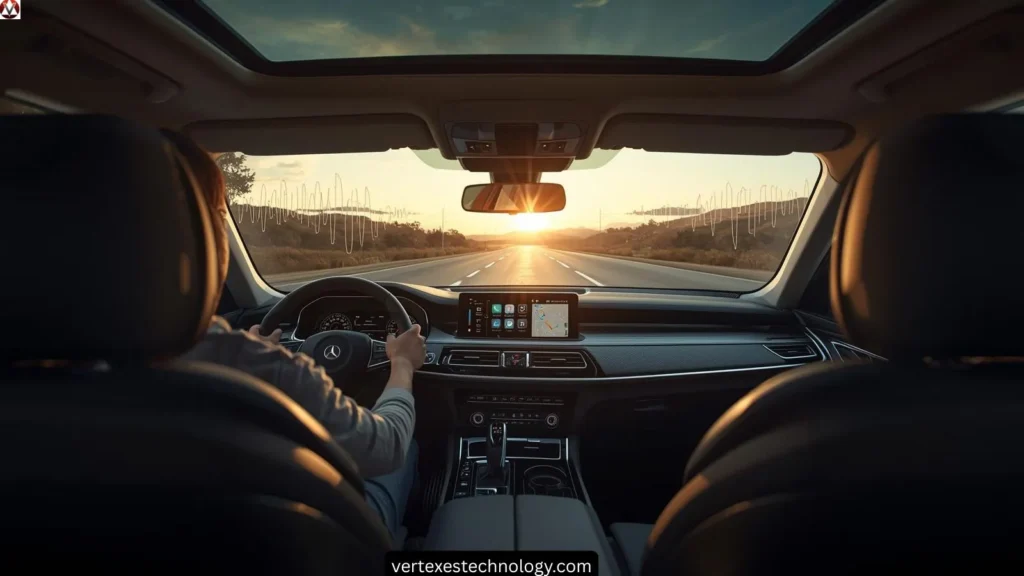
Modern drivers crave silence. Highways roar. Cities hum. Yet quiet cabin noise cancellation technology changes everything. It transforms daily commutes into calm retreats. This innovation blends physics, design, and software to create a smooth and quiet driving experience. Today, American buyers rank cabin silence beside safety and fuel economy.
However, noise control is not accidental. Engineers design each layer with intent. They combine Road noise reduction technology, Sound-dampening materials in vehicles, and precision aerodynamics. As a result, drivers enjoy a premium cabin experience even during long interstate travel. Quiet is no longer luxury. It is expectation.
What Is Quiet Cabin Noise Cancellation Technology?
Quiet cabin noise cancellation technology refers to systems that block, absorb, and cancel unwanted sound inside vehicles.
It merges physical insulation with digital sound control. Unlike basic padding, this system targets frequencies from engines, wind, and tires.
Therefore, it delivers a smooth and quiet driving experience across conditions.
| See also Orthodontic Technology
Modern vehicles need noise control because American roads vary widely. High-speed highways produce wind turbulence. Urban streets create stop-and-go engine vibration. Consequently, manufacturers install Acoustic laminated glass windshield panels and Triple-sealed vehicle doors. The difference between soundproofing and cancellation is simple. Soundproofing blocks noise. Active systems erase it in real time.
| Feature | Soundproofing | Noise Cancellation |
|---|---|---|
| Method | Blocks sound | Cancels sound waves |
| Technology | Insulation materials | Microphones and speakers |
| Best For | Wind and traffic | Low engine hum |
| Experience | Quieter cabin | Near-silent atmosphere |
How Active Noise Cancellation Works in Cars
Active noise cancellation in cars uses microphones placed inside the cabin. These sensors detect low-frequency sounds from tires and engines. Then onboard processors create opposite sound waves. As a result, speakers release counter frequencies that neutralize noise instantly.
This system works like premium headphones. However, cars must adjust constantly. Real-time digital sound processing analyzes vibration patterns every second. Therefore, highway cruising feels peaceful. Technology that reduces engine noise now adapts automatically. Engineers call it intelligent acoustic calibration. Drivers simply notice the silence.
Key Components of a Quiet Car Cabin
A quiet car relies on layered construction. Acoustic laminated glass windshield technology reduces sharp wind sounds. Triple-sealed vehicle doors block outside turbulence. Buick cabin insulation adds dense barriers beneath floors and dashboards. Together, these elements create a Buick soundproof cabin that feels insulated from chaos.
Design also matters. Isolated engine mounts limit vibration transfer. Aerodynamic shaping works as a wind noise blocking system. Sound-dampening materials in vehicles absorb echoes before they reach passengers. Consequently, vehicles with advanced sound insulation deliver a luxury SUV quiet ride without excess weight.
Types of Automotive Noise Reduction Systems
Manufacturers use passive systems first. These include thicker glass and improved sealing. Road noise reduction technology fits under carpets and wheel wells. However, passive methods alone cannot eliminate low-frequency rumble. Therefore, brands integrate active systems for deeper silence.
Hybrid noise control technology blends both approaches. Active noise cancellation in cars removes engine hum. Insulation handles wind noise. Road noise vs wind noise vs engine noise differ in frequency ranges. Engineers tune each solution accordingly. The result feels balanced rather than artificial.
Benefits of Quiet Cabin Technology for Drivers
Silence improves focus. Reduced driver fatigue helps during cross-country trips. Better call clarity enhances business travel. Moreover, enhanced acoustics improve music detail. Benefits of active noise cancellation in cars include clearer conversations and less mental strain.
Families appreciate calm interiors. A quiet cabin SUV for families keeps children relaxed. Comfortable SUVs for long road trips reduce stress. Consequently, buyers searching for the Best SUV for peaceful driving often prioritize cabin acoustics first.
QuietTuning by Buick: A Real-World Example
Buick QuietTuning technology represents a refined example of quiet cabin noise cancellation technology. Engineers combine Buick noise reduction system design with acoustic glass and active processing. Buick refinement engineering emphasizes layered insulation and tuned suspension. As a result, drivers experience a Buick quiet interior that feels deliberate.
What makes Buick vehicles so quiet? The answer lies in Buick ride comfort technology. Quiet SUV models 2025 from Buick integrate Buick interior comfort features with advanced damping. The Buick Enclave interior noise level ranks impressively low. Buyers often ask, Is Buick a luxury brand? Many argue yes because of its premium ride quality SUV character.
DIY Active Noise Cancellation for Cars – Is It Worth It?
Aftermarket kits promise easy silence. Car active noise cancellation kits attach microphones and processors. However, factory systems integrate deeply with vehicle electronics. Therefore, DIY upgrades often lack full calibration.
Cost varies widely in the U.S. market. Basic car noise cancellation devices range from moderate to expensive. Yet installation requires expertise. Consequently, factory-engineered noise-canceling SUV models outperform most add-ons in durability and balance.
Quiet Cabin Technology in 2022 vs 2025 – What Has Improved?
Technology evolves rapidly. In 2022, systems focused on insulation upgrades. By 2025, AI-enhanced sound calibration adjusts automatically. Integration with infotainment improves accuracy. SUVs with acoustic glass now feature lighter materials that increase efficiency.
Smart cabin monitoring systems track vibration patterns continuously. The Quiet crossover SUV 2025 segment benefits greatly. Buyers often ask, Does the 2025 Buick Encore GX have noise cancellation? Yes, many trims include it. Buick Envista comfort features also enhance cabin silence impressively.
FAQS
What is Buick QuietTuning technology?
Buick QuietTuning technology is a noise control system that combines insulation, acoustic glass, and active noise cancellation to create a smoother and quieter cabin.
How to reduce noise in a cabin?
Use sound-dampening mats, seal door gaps, install acoustic glass, and add active noise cancellation systems to lower road and engine noise.
What are the downsides of ANC?
ANC can increase system cost, add electronic complexity, and may struggle with sudden high-frequency sounds like horns.
What is better, ANC or ENC?
ANC reduces background noise inside the cabin, while ENC improves voice clarity during calls. For driving comfort, ANC is usually better.
Why are Buicks so quiet?
Buicks use advanced insulation, laminated glass, triple door seals, and active noise cancellation to limit road and wind noise.
Does soundproofing a car really work?
Yes, quality soundproofing materials reduce vibration and block outside noise, though they cannot eliminate 100% of sound.
How to make a car cabin quieter?
Add floor insulation, upgrade door seals, install acoustic windshield glass, and maintain tires to reduce road noise.
How to block out 100% of noise?
You cannot block 100% of noise in a car, but combining insulation and active cancellation can significantly reduce it.
Final Thoughts
Quiet cabin noise cancellation technology has reshaped modern driving. It transforms vehicles into sanctuaries. American highways demand resilience. However, silence now defines refinement. From acoustic laminated glass to active digital cancellation, innovation drives progress. Brands like Buick demonstrate how thoughtful engineering delivers measurable calm.
Moreover, buyers value peace more than ever. A family SUV quiet cabin reduces stress. A premium ride quality SUV enhances daily commuting. As technology advances toward 2025 and beyond, vehicles will grow even quieter. Ultimately, silence speaks volumes. When drivers close the door and hear almost nothing, they understand the future has arrived.