
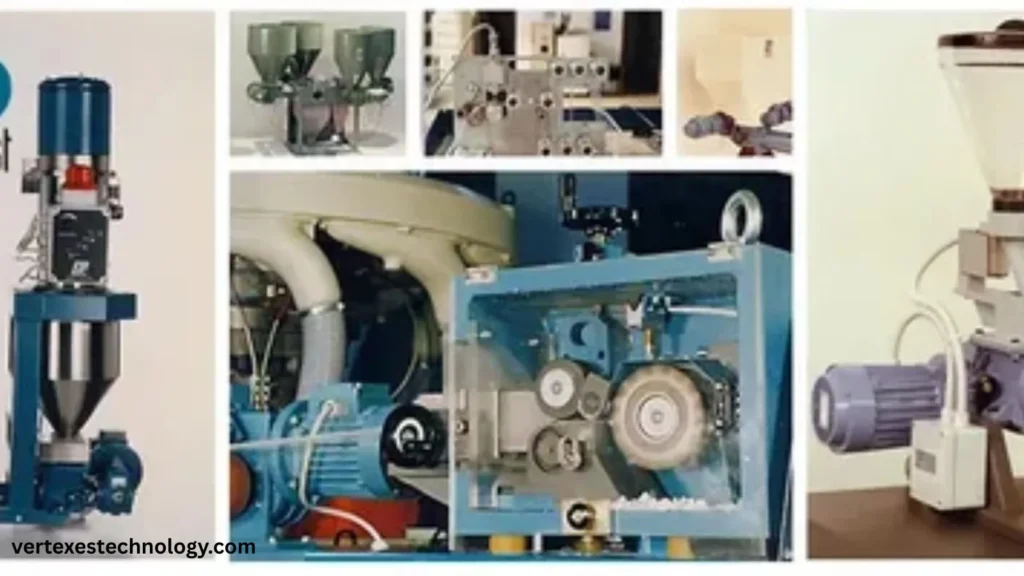
Imagine pouring exactly one drop more than needed and ruining an entire batch. That tiny slip can cost thousands. Dosing technology steps in like a silent guardian, measuring every drop with surgical precision. However, it does more than measure. It transforms industries through automation systems and intelligent control.
|RELATED: tgarchivegaming tips
What is Dosing Technology?
At its core, dosing technology delivers exact quantities of liquids, powders, or gases into a system. It behaves like a master chef who never misjudges ingredients. Moreover, industries rely on it to maintain consistency and quality. This precision dosing system blends industrial automation with smart control tools.
How Does Dosing Technology Work?
Think of it as a digital scale paired with a robotic hand. Dosing technology uses sensors, pumps, and controllers to regulate flow.
For example,
flow meters detect volume, while software adjusts output instantly. However, modern setups integrate AI-driven control and smart hardware to refine accuracy continuously.
Key Features of Dosing Technology
Every system brings a toolkit designed for precision and adaptability. Dosing tech shines through its refined features that enhance performance.
- High-accuracy flow control
- Real-time monitoring dashboards
- Programmable dosing schedules
- Integration with industrial software platforms
- Automated error detection systems
Moreover, advanced setups include AI automation and predictive maintenance alerts.
Benefits of Dosing Technology
Precision often separates success from failure. Dosing tech ensures that balance with ease.
- Reduces material waste significantly
- Improves product consistency
- Enhances operational efficiency
- Supports smart manufacturing processes
- Minimizes human error
For example, a food plant using automated dosing systems can maintain taste consistency across thousands of batches.
Real-World Applications of Dosing Technology
Across industries, dosing tech works quietly yet powerfully. It adapts like a chameleon to different environments.
- Water treatment plants control chemical levels precisely
- Pharmaceutical labs ensure exact drug formulations
- Food industries manage flavors and preservatives
- Agriculture uses it for fertilizer distribution
However, in chemical manufacturing, even a slight miscalculation can trigger massive losses. That is where precision dosing systems truly prove their worth.
Advantages and Disadvantages
Balance matters. While dosing tech offers impressive benefits, it also comes with trade-offs.
| Advantages | Disadvantages |
|---|---|
| High accuracy and consistency | Initial setup cost can be high |
| Reduced waste and cost savings | Requires skilled maintenance |
| Supports automation and scaling | System failures can disrupt operations |
| Enhances product quality | Integration complexity |
However, most industries find that long-term gains outweigh early hurdles.
Is Dosing Technology Safe and Secure?
Safety stands at the heart of dosing technology. Modern systems use encrypted communication and fail-safe mechanisms. For example, cybersecurity protocols protect data and prevent unauthorized control. Moreover, AI monitoring tools detect anomalies early. This reduces risks in critical sectors like healthcare and chemicals.
Dosing Technology vs Manual Dosing
Precision Meets Human Guesswork
Manual dosing feels like cooking without measuring cups. In contrast, dosing technology ensures flawless accuracy.
| Feature | Dosing Technology | Manual Dosing |
|---|---|---|
| Accuracy | Extremely high | Variable |
| Efficiency | Automated | Labor-intensive |
| Consistency | Reliable | Inconsistent |
| Scalability | Easy to expand | Limited |
However, manual methods still suit small-scale or low-risk tasks.
Future of Dosing Technology
Innovation never sleeps. Dosing technology is evolving faster than ever.
Future trends include:
- Integration with AI and machine learning
- Cloud-based monitoring systems
- Smart sensors with self-calibration
- Enhanced industrial IoT (Internet of Things) connectivity
Moreover, factories are moving toward fully autonomous dosing environments. Imagine systems that learn and improve without human input. That future is closer than it seems.
Common Problems and Solutions
Even the best systems face hiccups. Dosing technology is no exception.
- Inconsistent flow rates → Calibrate sensors regularly
- Pump wear and tear → Use predictive maintenance tools
- Software glitches → Update firmware frequently
- Blockages in pipelines → Implement filtration systems
However, proactive maintenance keeps most issues at bay. Think of it like regular car servicing.
FAQs
What is dosing technology used for?
It controls precise amounts of materials in industries like pharmaceuticals, water treatment, and food processing.
Is dosing technology expensive?
Initial costs are higher, however it saves money over time through efficiency and reduced waste.
Can dosing tech be automated?
Yes, most systems integrate with automation software for fully automated operations.
Is dosing tech accurate?
It offers extremely high precision, often far beyond manual methods.
Does dosing tech use AI?
Modern systems use AI-driven analytics for smarter control and predictive maintenance.
Is it safe to use in sensitive industries?
Yes, it includes safety controls and cybersecurity features for secure operations.
Final Verdict
In a world where precision defines success, dosing technology stands as a game-changer. It blends intelligence with accuracy, turning complex processes into seamless operations. However, its real magic lies in consistency. From saving costs to boosting quality, it quietly powers modern industry.