Which statement best describes Renaissance art? Renaissance art is a revolutionary style that emphasizes humanism, realism, and the revival of classical knowledge. Artists studied anatomy, linear perspective, and light and shadow to make their works lifelike and emotionally engaging.
Understanding which statement best describes Renaissance art helps reveal how creativity merged with early scientific observation, influencing not only painting and sculpture but also architecture, design, and even modern digital technology. Masters like Leonardo da Vinci and Michelangelo set standards that still inspire visual communication, innovation, and AI-driven creative tools today.
|learn more about: How Smart Home Technology Will Change Lives
What is Renaissance Art?
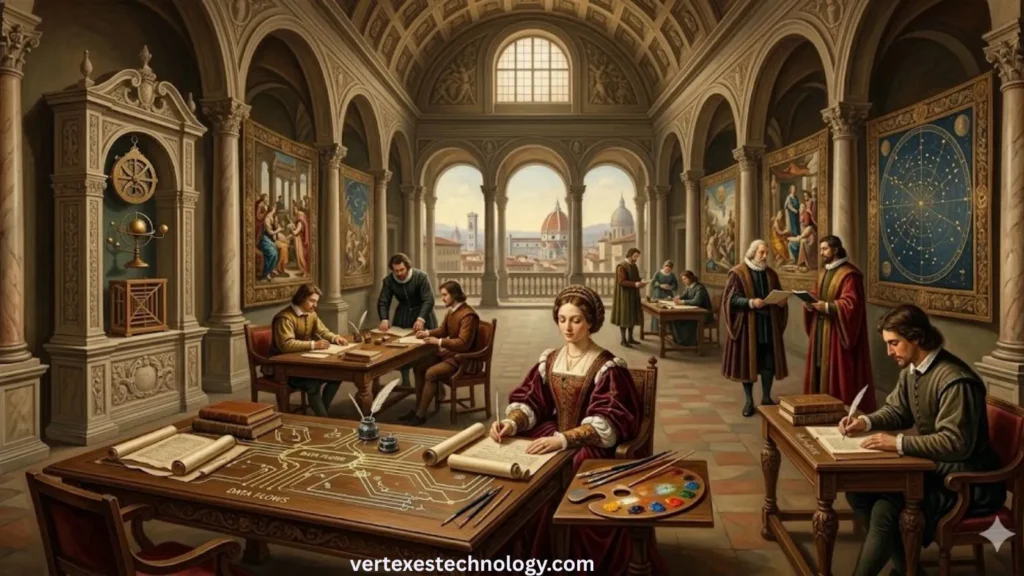
Renaissance art refers to the artistic style that developed in Europe between the 14th and 17th centuries. The term “Renaissance” means rebirth. It marks a revival of classical Greek and Roman ideas.
Artists moved away from flat, symbolic designs. Instead, they focused on realism, depth, and human emotion. Figures looked natural. Scenes felt three-dimensional.
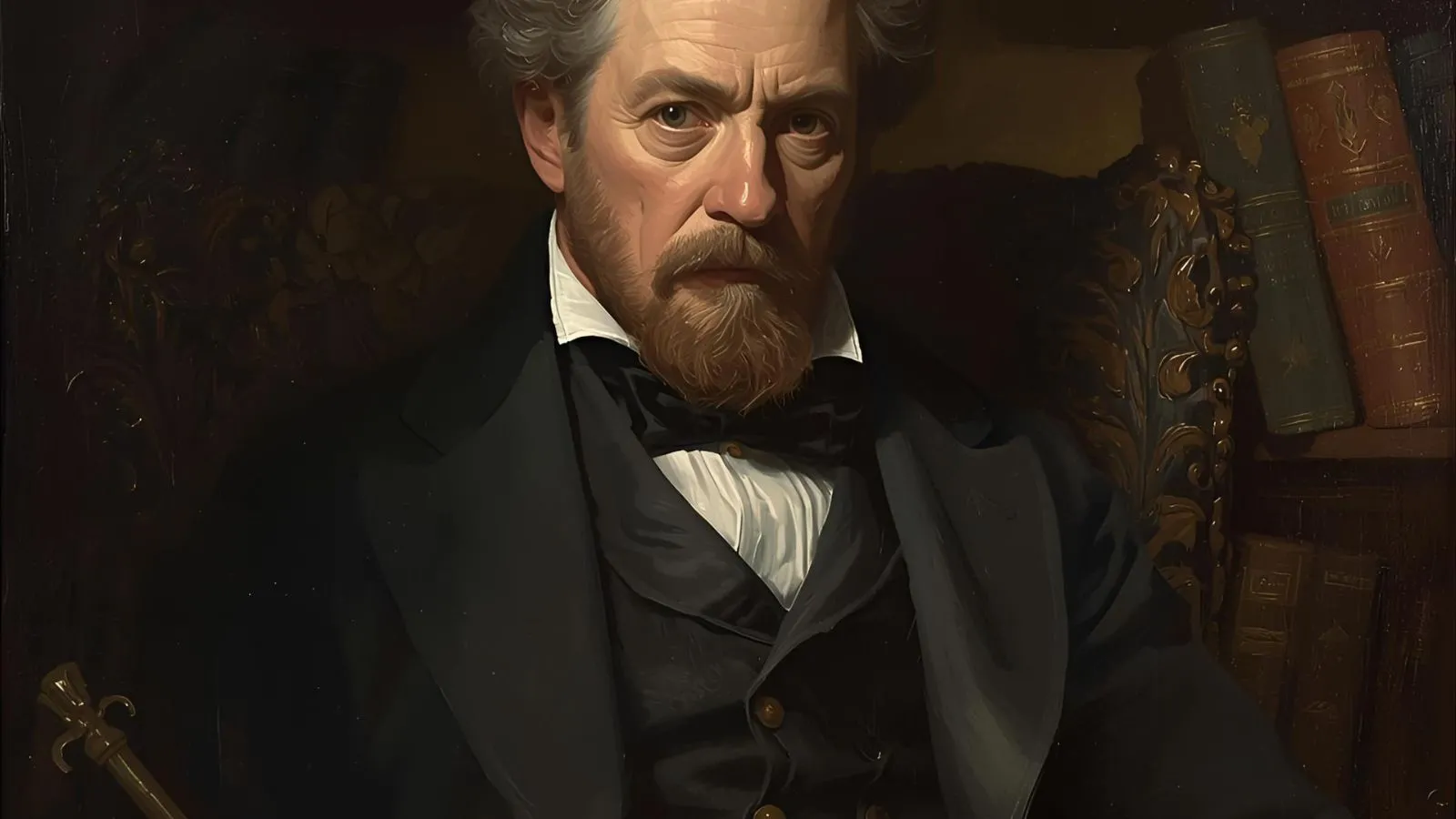
Famous creators like Leonardo da Vinci and Michelangelo led this transformation. Their work combined creativity with scientific observation.
Renaissance art also reflected growing interest in human potential. This idea, called humanism, placed people at the center of creativity.
How Does Renaissance Art Work?
Renaissance art works through a mix of technique, observation, and innovation. Artists used structured methods similar to modern design systems.
Core Techniques
- Linear perspective creates depth using vanishing points
- Chiaroscuro uses light and shadow for realism
- Anatomical accuracy improves human representation
- Geometry and proportion guide composition
These methods function like early “visual algorithms.” Artists followed rules to achieve realistic outcomes.
For example, The Last Supper uses perspective to draw the viewer’s eye to the center. This approach mirrors how modern UI design guides user focus.
Key Features of Renaissance Art
Realism and Detail
Artists studied nature closely. They painted wrinkles, muscles, and light reflections.
Perspective and Depth
Scenes appear three-dimensional. Objects shrink as they move away.
Human Emotion
Faces show real feelings. Viewers connect with the artwork instantly.
Use of Light
Light enhances mood and structure. Shadows add depth.
Classical Influence
Themes often include mythology and ancient history.
Innovation Mindset
Renaissance art embraced experimentation. This spirit connects to today’s technology and software development culture.
Benefits of Renaissance Art
Cultural Advancement
It encouraged learning and curiosity. People explored science and philosophy.
Foundation for Modern Art
Many modern techniques come from this period.
Cross-Industry Influence
Renaissance art inspired:
- Architecture
- Engineering
- Digital design
- Animation
Improved Visual Communication
Artists learned to guide attention. This skill now shapes UI/UX design and automation tools.
Educational Value
Students still study these methods in art and design software programs.
Real-World Applications of Renaissance Art
Digital Design and Software
Modern tools like graphic design software use perspective and shading principles.
Gaming Industry
Game developers use Renaissance techniques to build realistic environments.
Film and Animation
Lighting and composition in movies follow similar rules.
AI and Creative Automation
AI image generators mimic Renaissance styles. They analyze patterns from works like Mona Lisa.
Architecture and Engineering
Designers apply symmetry and proportion to create balanced structures.
Advantages and Disadvantages
| Advantages | Disadvantages |
|---|---|
| High realism and detail | Time-consuming techniques |
| Strong emotional connection | Requires advanced skill |
| Influences modern technology | Limited diversity in early works |
| Structured artistic methods | Expensive materials historically |
Renaissance art offers precision and beauty. However, it demands patience and training.
Is Renaissance Art Safe and Secure?
From a modern viewpoint, “safe and secure” relates to preservation and digital usage.
Preservation Technology
Museums use cybersecurity systems and climate-controlled hardware to protect artworks. Digital backups prevent data loss.
Digital Replication Risks
AI tools can copy Renaissance styles. This raises concerns about authenticity and intellectual property.
Secure Archiving
Blockchain and digital watermarking help track ownership of digitized art.
Thus, Renaissance art remains secure through advanced technology. Still, digital duplication presents new challenges.
Renaissance Art vs Baroque Art
| Feature | Renaissance Art | Baroque Art |
|---|---|---|
| Style | Balanced and calm | Dramatic and emotional |
| Lighting | Soft and natural | Strong contrast |
| Focus | Harmony and proportion | Movement and tension |
| Example Artist | Raphael | Caravaggio |
Renaissance art focuses on clarity and order. Baroque art adds drama and intensity.
Future of Renaissance Art
Renaissance art continues to evolve through digital transformation.
AI Integration
AI tools recreate Renaissance styles instantly. This allows faster content creation.
Virtual Reality (VR)
Users can explore historical artworks in immersive environments.
Automation in Art Education
Online platforms teach Renaissance techniques using interactive software.
Global Accessibility
Digital archives make masterpieces available worldwide.
Renaissance art now blends with modern innovation. It remains relevant in a tech-driven world.
Common Problems and Solutions
Problem: Complex Techniques
Many beginners struggle with perspective and anatomy.
Solution: Use digital tools and tutorials for step-by-step learning.
Problem: Time-Intensive Process
Traditional methods require long hours.
Solution: Combine manual skills with software automation.
Problem: Limited Resources
Original materials can be costly.
Solution: Practice using affordable digital platforms.
Problem: Style Replication
AI may copy styles too easily.
Solution: Focus on originality and personal creativity.
FAQs
What is Renaissance art in simple words?
Renaissance art is a style focused on realism, human emotion, and classical ideas.
Why is Renaissance art important?
It shaped modern art, design, and even technology concepts like perspective.
Who are famous Renaissance artists?
Leonardo da Vinci, Michelangelo, and Raphael are key figures.
which statement best describes renaissance art
Perspective, light shading, and realistic anatomy are core techniques.
How does Renaissance art influence technology?
It impacts digital design, AI art generation, and visual software tools.
Is Renaissance art still relevant today?
Yes, it continues to influence modern creativity and innovation.
Final Verdict
Renaissance art stands as a powerful blend of creativity and early scientific thinking. It introduced techniques that still guide modern design, software, and digital media. Artists from this era acted like innovators, combining observation with imagination.
Today, Renaissance art lives beyond museums. It shapes AI-generated images, gaming visuals, and user interfaces. Its influence reaches industries far beyond painting.