
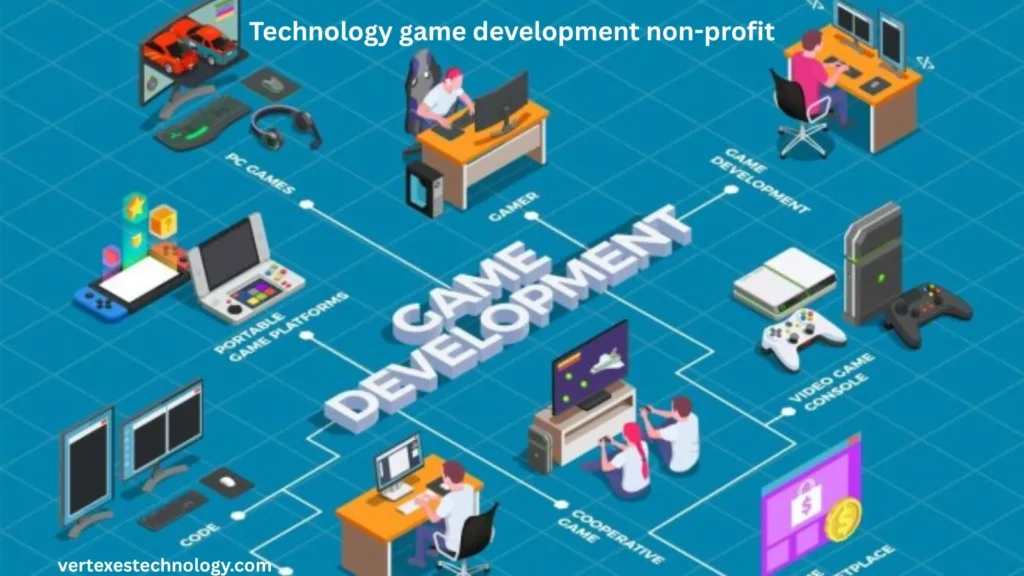
Have you ever played a game that taught you something meaningful or helped a real cause? Not all games are made just for fun or profit. Some are built to educate, support communities, or solve real-world problems.
This is where technology game development non-profit organizations come in. They use modern tools and creative ideas to build games that make a difference. But many people don’t understand how these groups work or how to get involved.
In this guide, you’ll learn how these organizations operate, what tools they use, and how you can benefit from or contribute to this growing field.
|RELATED: Mobile Procurement Technology: Smart Buying On-the-Go
What Is a Technology Game Development Non-Profit?
A technology game development non-profit is an organization that creates games using modern technology for social good instead of profit.
Simple Explanation
👉 These groups build games to educate, raise awareness, or support causes.
Common Goals
- Teach skills (education games)
- Spread awareness (health, environment)
- Support communities
- Train professionals (simulations)
How It Works
These organizations follow a process similar to regular game studios, but their purpose is different.
1. Idea and Mission
They start with a goal, such as teaching children math or raising awareness about climate change.
2. Funding
Instead of selling games, they rely on:
- Donations
- Grants
- Sponsorships
3. Development
Teams use technology to design and build games.
4. Distribution
Games are often free or low-cost so more people can access them.
Tools and Technologies Used
Modern tools make game creation easier and faster.
Popular Game Engines
- Unity
- Unreal Engine
- Godot
Programming Languages
- C#
- C++
- Python
Other Technologies
- Virtual Reality (VR)
- Augmented Reality (AR)
- Artificial Intelligence (AI)
Why Technology Matters
These tools help create engaging, interactive, and educational experiences.
Real-Life Examples and Use Cases
Education
Games that teach math, science, or languages in a fun way.
Healthcare
Simulation games used for training doctors or raising awareness about diseases.
Social Awareness
Games that highlight issues like climate change or poverty.
Mental Health
Apps and games that help reduce stress or improve focus.
Non-Profit vs Commercial Game Development
| Feature | Non-Profit Game Dev | Commercial Game Dev |
|---|---|---|
| Goal | Social impact | Profit |
| Pricing | Free or low-cost | Paid |
| Funding | Donations, grants | Sales, investors |
| Audience | Wide, inclusive | Target market |
| Content Focus | Education, awareness | Entertainment |
Key Insight
Non-profits focus on impact, while companies focus on revenue.
Benefits and Challenges
Advantages
✔ Helps society
✔ Promotes learning
✔ Encourages creativity
✔ Accessible to more people
Challenges
❌ Limited funding
❌ Smaller teams
❌ Less marketing reach
❌ Resource constraints
How to Start or Join One
Starting Your Own Organization
- Define your mission
- Choose a cause
- Build a small team
- Use free tools like Unity or Godot
- Apply for grants or funding
Joining an Existing Group
- Volunteer as a developer or designer
- Contribute artwork or writing
- Help with testing games
- Support fundraising efforts
Future Trends
The future looks promising for this field.
Growth of Educational Games
More schools will use games for learning.
Global Reach
Online platforms will expand access worldwide.
Advanced Technology
AI, VR, and AR will create more immersive experiences.
More Collaboration
Partnerships with schools and NGOs will increase.
FAQs
What is the 80/20 rule in game development?
It means a small number of features create most of the value, so developers focus on the most important parts first.
Who are the big 3 game developers?
Nintendo, Sony, and Microsoft are widely known as the three major companies in the gaming industry.
Is IGDA a non-profit organization?
Yes, IGDA is a non-profit group that supports and connects game developers around the world.
What game took 7 years to make?
Red Dead Redemption 2 is a well-known game that took around seven years to develop.
How can I volunteer with IGDA?
You can join their community, take part in local chapters, and help with events or programs.
What is the largest NGO in the world?
The Red Cross is often considered one of the largest and most active NGOs worldwide.
Will AI replace game devs?
No, AI can help developers, but human creativity and ideas are still very important.
Are 51% of gamers female?
Yes, many reports show that about half of gamers are female, depending on the region.
What are the 3 C’s of game dev?
They are Character, Camera, and Controls, which shape how a player experiences a game.
Conclusion
The world of game development is not just about entertainment anymore. A technology game development non-profit shows how games can educate, inspire, and solve real problems.
Whether you are a student, developer, or someone who wants to make a difference, this field offers many opportunities. You don’t need a big budget—just a strong mission and the right tools.
If you want to combine technology with purpose, this is one of the best paths to explore in 2026 and beyond.