
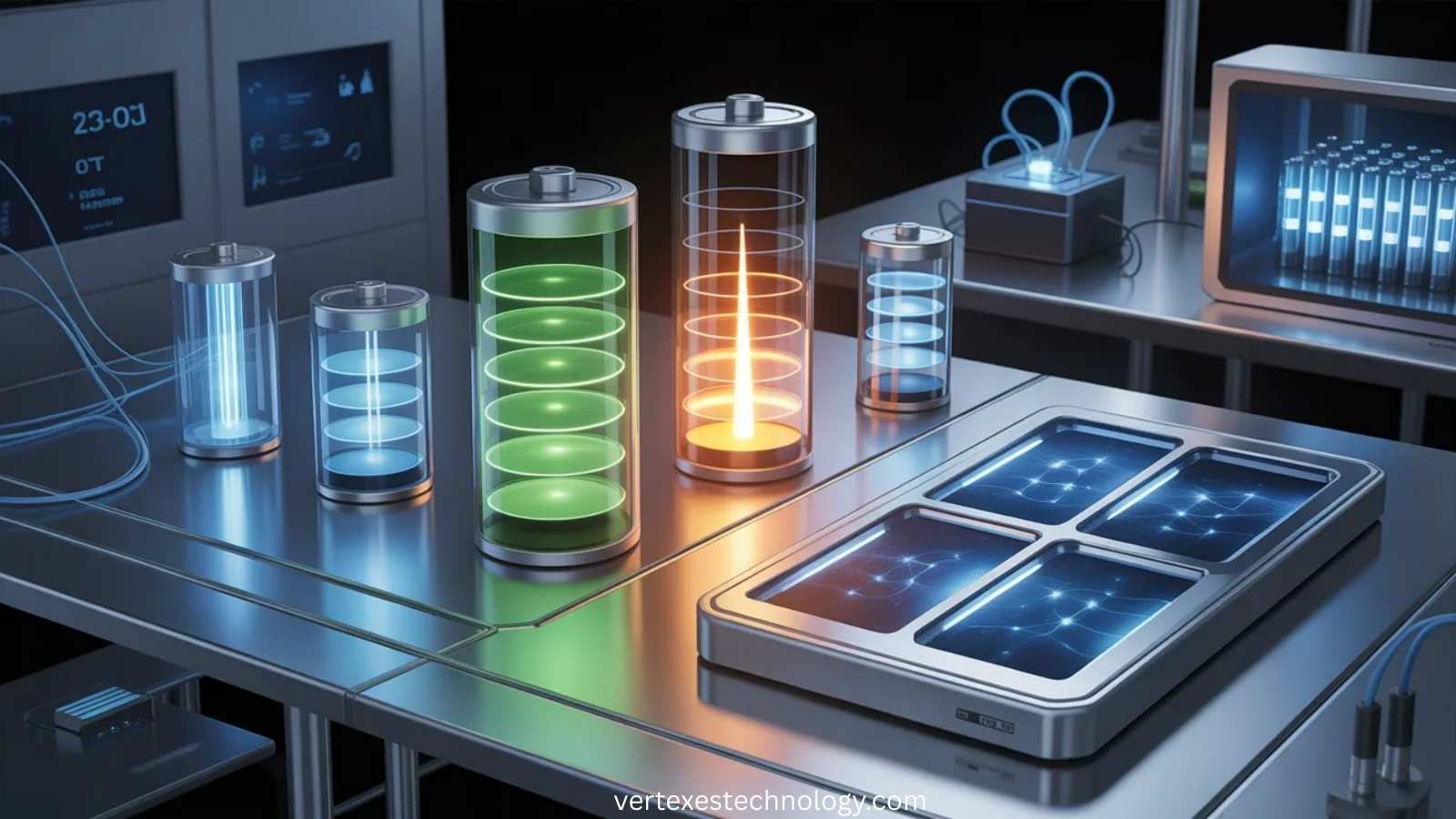
Advanced battery technology is reshaping how energy is stored, moved, and used across the United States. From smartphones to electric cars, modern life now depends on advanced battery technology that delivers safer power, longer life, and smarter performance. This progress supports cleaner living and stronger industries through reliable battery energy storage.
As demand grows, portable power technology has become more compact and more powerful. Companies invest heavily in battery innovation to create next generation batteries that charge faster, last longer, and waste less energy. This shift defines the direction of future battery technology and modern energy systems.
What Is Advanced Battery Technology?
Advanced battery technology describes modern energy storage systems built using improved electrode materials, smarter battery electrodes, and refined battery material science. These batteries store electricity through controlled chemical reactions, allowing devices and machines to operate efficiently. Unlike older designs, they focus on higher output and better safety.
At the core of these systems are lithium ion cells and advanced electrode design that enable stable power delivery. Engineers now use silicon anode technology, carbon anode materials, and carbon nanotube batteries to increase storage capacity. These advances improve reliability and help power demanding tools and vehicles.
Why Advanced Battery Technology Is Critical for the Future
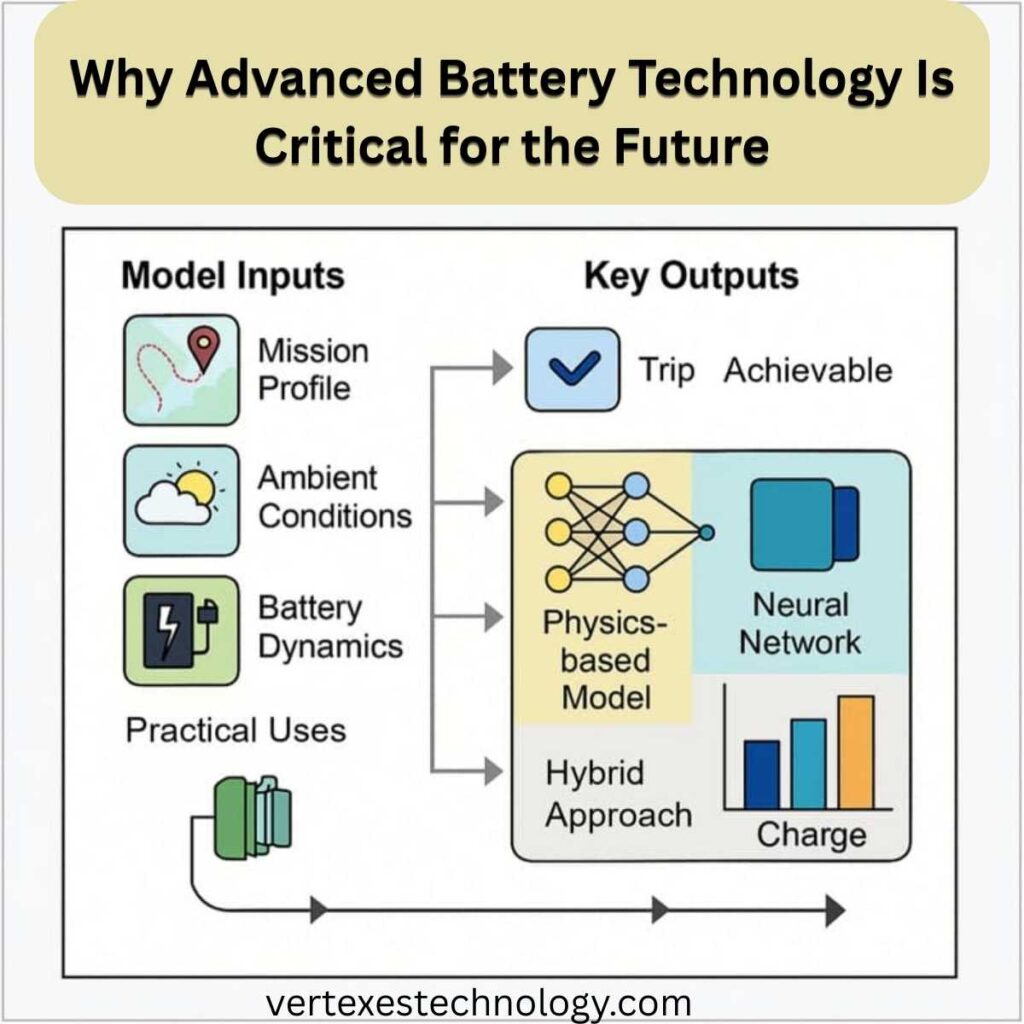
Advanced battery technology plays a central role in energy independence and sustainability. The United States needs energy storage solutions that support electric vehicles and renewable power without interruption. Better batteries allow homes and cities to store energy for later use.
High-performance batteries also improve battery performance and durability in daily products. With high energy density batteries, devices run longer without added weight. This progress supports cleaner transport, modern manufacturing, and the broader future of energy storage.
Key Types of Advanced Battery Technologies
Different types of advanced battery technology serve different needs. Each system balances cost, power, safety, and lifespan. Understanding these differences explains why no single battery fits every use case.
Modern designs focus on efficient battery systems that reduce heat loss and energy waste. These systems rely on optimized battery chemical composition and stable electrochemical energy storage processes.
Lithium-Ion Batteries
Lithium ion batteries remain the most common form of advanced battery technology today. They move energy through lithium ion cells during battery charge and discharge cycles, offering strong reliability. Their high power density makes them ideal for phones, laptops, and electric vehicle batteries.
These batteries also provide long cycle life batteries when managed correctly. Improved battery safety technology and better cooling systems have made them safer for everyday use. Their balance of cost and performance keeps them dominant in EV energy storage.
Solid-State Batteries
Solid state batteries replace liquid electrolytes with solid electrolyte materials, improving safety and stability. This design reduces fire risk and increases thermal stability in batteries. Many experts see this as a major leap in future battery technology.
Solid-state designs promise lightweight batteries with longer battery lifespan. Although production remains costly, rapid research may soon bring them to electric vehicles and consumer electronics.
Silicon Anodes and Carbon Nanotube Technology
Compared to conventional graphite designs, batteries with silicon anode technology can store more energy. More lithium may be stored in silicon, increasing capacity and promoting increased battery efficiency. This extends the time between charges for gadgets.
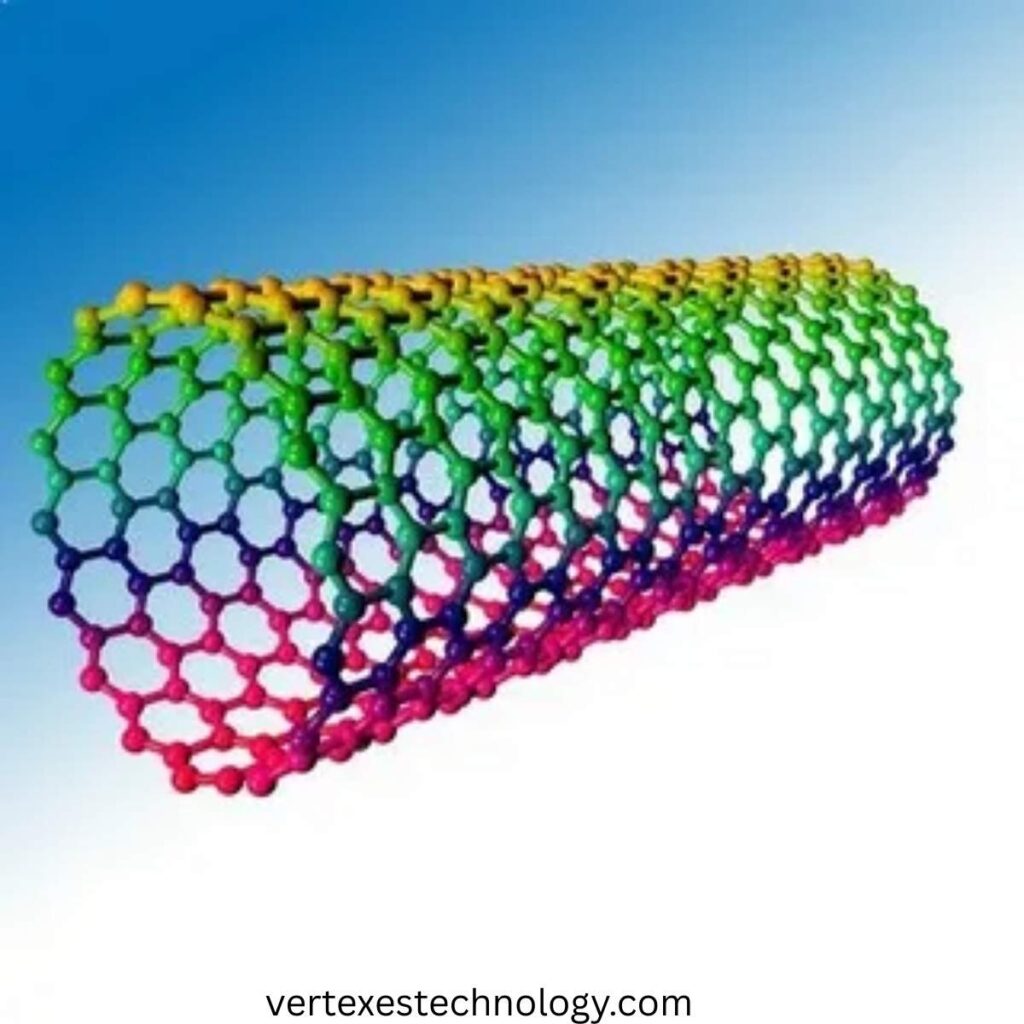
Meanwhile, carbon nanotube batteries improve conductivity and strength. They support faster charging and better voltage stability. Together, these materials shape the next phase of advanced battery technology.
Advances in Battery Chemistry and Materials
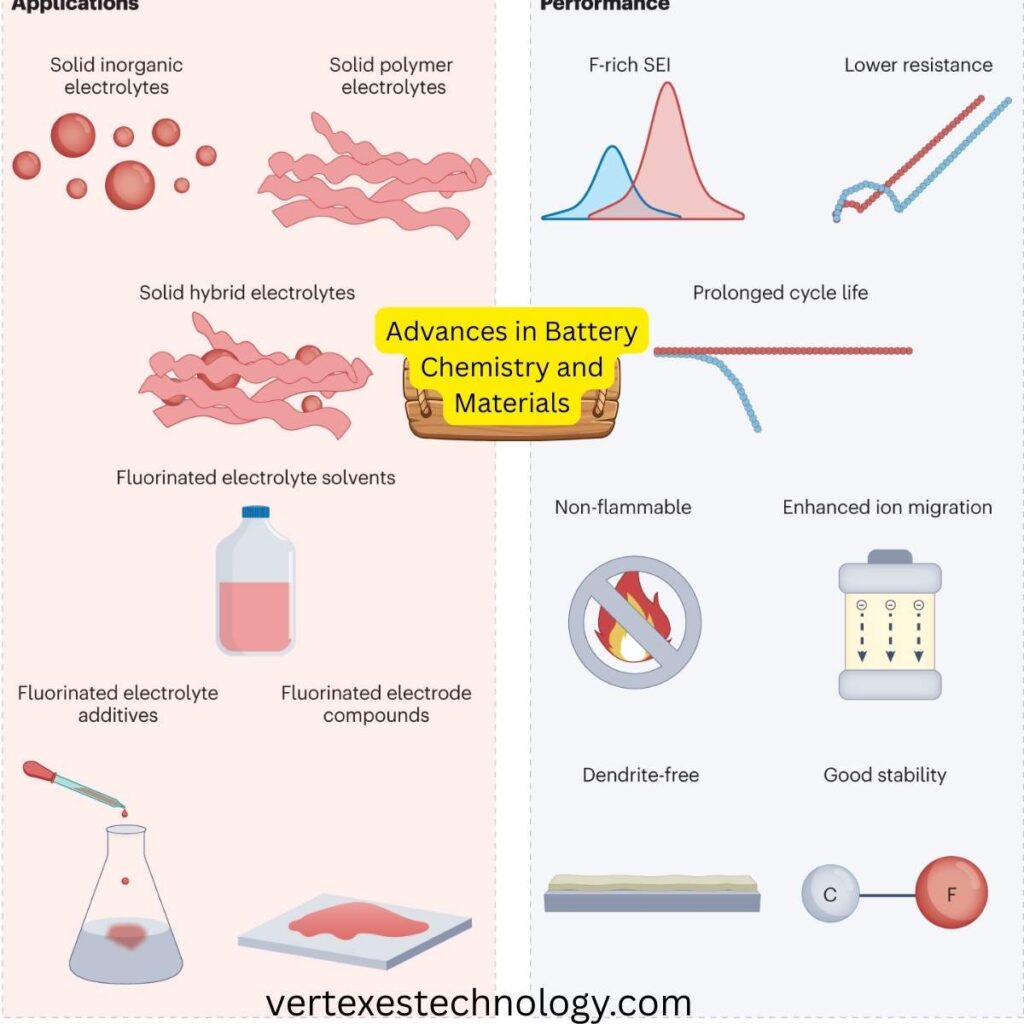
Battery chemistry defines how energy moves and how long batteries last. New formulas now outperform older designs in safety and power. Lithium sulfur batteries offer higher capacity than lithium-ion systems, making them promising for long-range vehicles.
Other chemistries like magnesium ion batteries, zinc based rechargeable batteries, and aqueous flow batteries improve safety and scalability. These options expand renewable energy storage and reduce dependence on rare materials, supporting green battery technology.
Battery Management Systems and Energy Storage
Even the best batteries fail without smart control. Battery management systems (BMS) monitor temperature, charge levels, and health in real time. This improves safety and extends battery lifespan.
Modern systems include wireless charging technology, smart battery systems, and battery monitoring technology. Large installations use modular energy storage systems, supercapacitors, and smart grid energy storage to balance supply and demand through advanced power management systems.
Applications of Advanced Battery Technology Across Industries
Advanced battery technology powers nearly every modern industry. Consumer electronics batteries keep phones and laptops running all day. Wearable device batteries now last longer despite smaller sizes.
Transportation relies heavily on electric vehicle batteries and drone battery technology. Energy companies depend on solar energy battery storage, wind power energy storage, and grid scale energy storage to stabilize renewable output and reduce emissions.
Market Landscape, Companies, and Investment Trends
The U.S. battery market continues to expand as demand for clean energy technology rises. Public and private investment fuels research into sustainable energy storage and domestic manufacturing.
Companies now focus on recycling, supply chain security, and sustainable battery development. This shift supports low carbon energy solutions while strengthening economic growth tied to renewable energy systems.
The Future of Advanced Battery Technology
The future of advanced battery technology centers on safety, sustainability, and performance. Researchers aim to reduce charging time while increasing durability and capacity. Recycling and reuse will become standard practices.
As innovation continues, future battery technology will power smarter cities and cleaner transport. With better materials and systems, advanced battery technology will remain the backbone of modern energy and progress.
Battery Types and Key Characteristics
| Battery Type | Energy Density | Safety Level | Common Use |
|---|---|---|---|
| Lithium-Ion | High | Moderate | EVs, phones |
| Solid-State | Very High | High | Future EVs |
| Lithium-Sulfur | Extremely High | Moderate | Long-range storage |
| Flow Batteries | Medium | High | Grid storage |
“The battery is no longer just a component. It is the foundation of the clean energy future.”
FAQs
What is advanced battery technology?
Advanced battery technology refers to modern energy storage systems that use improved materials and chemistry to deliver higher capacity, better safety, and longer lifespan than traditional batteries.
Is the donut solid-state battery real?
The donut solid-state battery is a real experimental concept, but it is still in the research and prototype stage and not yet available for commercial use.
How soon will solid-state batteries be in cars?
Most experts expect solid-state batteries to appear in limited-production electric vehicles between 2027 and 2030, depending on manufacturing progress.
What does Elon Musk say about solid-state batteries?
Elon Musk has stated that solid-state batteries are promising but currently face major scalability and cost challenges compared to advanced lithium-based designs.
Can you still drive gas cars after 2035?
Yes, in most U.S. states you can still drive existing gas cars after 2035, though some regions plan to restrict the sale of new gasoline vehicles.
What is the holy grail of battery technology?
The holy grail of battery technology is a battery that combines extremely high energy density, fast charging, long lifespan, low cost, and maximum safety.
What battery tech will replace lithium?
No single technology is ready to fully replace lithium yet, but sodium-ion, solid-state, and lithium-sulfur batteries are leading alternatives under development.
Are all 2025 batteries lithium?
No, while lithium-based batteries dominate in 2025, other technologies like nickel-metal hydride, lead-acid, and sodium-ion batteries are still widely used.
Conclusion
Advanced battery technology now stands at the center of modern energy progress. From high energy density batteries in electric vehicles to large-scale battery energy storage supporting renewable power, these systems shape how the United States produces and consumes energy. Continuous battery innovation has improved safety, efficiency, and reliability across industries.
As research advances, future battery technology will focus on sustainability, longer lifespan, and smarter control. With stronger energy storage solutions and cleaner materials, advanced battery technology will continue driving economic growth, environmental responsibility, and a more resilient energy future.