
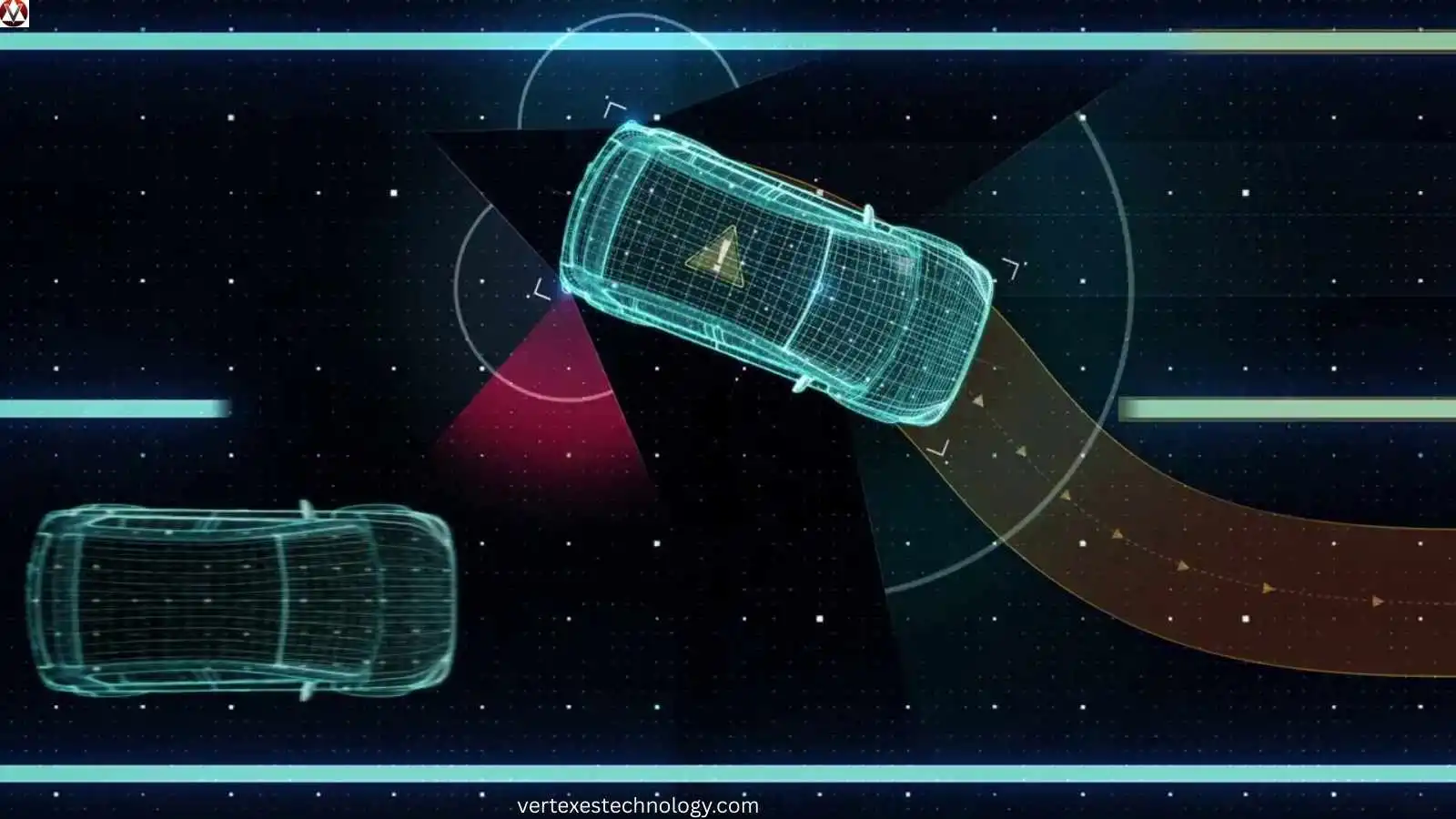
Collision Prevention Technology for Vehicles has changed how Americans drive. Every year, thousands of crashes happen on U.S. highways. However, modern systems now step in before impact. Today’s cars use smart sensors, cameras, and artificial intelligence to prevent accidents. As a result, roads are becoming safer.
This technology does more than warn drivers. It actively brakes, steers, and adjusts speed. In many cases, it prevents serious injuries. Therefore, understanding Collision Prevention Technology for Vehicles is essential for buyers, fleet owners, and families.
What Is Collision Prevention Technology?
Collision Prevention Technology for Vehicles refers to electronic systems designed to avoid or reduce crashes. A Collision avoidance system (CAS) detects threats early. It acts as a digital co-pilot. In simple terms, it watches the road even when you blink.
A Pre-crash system prevents impact entirely. Meanwhile, a Collision mitigation system reduces damage if impact becomes unavoidable. This difference matters. Prevention stops the event. Mitigation lowers harm. Modern cars combine both for stronger protection.
In U.S. vehicle safety, this technology supports federal crash reduction goals. Insurance companies often reward cars equipped with Crash mitigation technology in modern cars. Therefore, this technology saves money and lives.
How Collision Avoidance Systems Work
Understanding How collision avoidance systems work starts with sensors. Vehicles use Millimeter-wave radar, LiDAR sensor, Monocular camera, and Stereo camera system devices. These tools scan roads in real time. Together, they create a digital map.
Manufacturers rely on Sensor fusion technology. It combines radar, cameras, and Optical detection sensors for better accuracy. For example, radar sees through fog. Cameras read signs. This solves the debate of Radar vs camera collision detection.
Systems calculate Time-to-collision (TTC). TTC predicts how fast two objects may meet. When TTC drops below a safe limit, the car reacts. It may trigger Autonomous braking or activate a Steering intervention system. Advanced models use Object recognition algorithms and Image recognition system software powered by AI in vehicle safety systems.
Modern platforms also include GNSS data integration, GPS-based hazard detection, and 3D high-definition maps. Therefore, vehicles anticipate stop signs and curves using Curve speed management.
Core Collision Warning Systems in Vehicles
Warning systems form the first safety layer. Forward collision warning (FCW) alerts drivers about frontal risk. Lane departure warning prevents drifting. Meanwhile, Blind spot monitoring protects during lane changes.
Parking lots also pose danger. Therefore, Cross-traffic assist detects vehicles from the sides. These systems define Collision avoidance in low-speed traffic. Most rely on Forward-facing radar and a Radar control unit for accuracy.
Here is a comparison table:
| System | Function | Typical Speed Use |
|---|---|---|
| FCW | Front crash alert | Highway |
| LDW | Lane drift alert | 40+ mph |
| Blind Spot | Side vehicle detection | All speeds |
| Cross-Traffic | Rear side detection | Parking |
This layer only warns. It does not brake. That distinction becomes important in the Difference between AEB and FCW.
Collision Intervention & Automatic Braking Systems
Intervention systems take action. Automated emergency braking (AEB) stops the car if the driver fails to react. The advanced version, Advanced emergency braking system (AEBS), follows UN ECE Regulation 131 and UN ECE Regulation 152 guidelines for performance.
In the U.S., Government-mandated AEB systems are expanding rapidly. These systems achieve up to 5 m/s² braking performance. They use Automatic full braking or Partial autonomous braking depending on severity.
Advanced vehicles also support Pedestrian detection system technology. This is known as Pedestrian avoidance technology. In intersections, Intersection collision avoidance prevents side impacts. Rear systems provide Rear-end collision mitigation and activate Multi-collision brake assist after impact.
The debate of Autonomous steering vs autonomous braking continues. However, newer systems combine braking with Emergency steering function (ESF) for safer escape paths.
Is ADAS Technology and Advanced Collision Avoidance Worth the Cost?
Collision Prevention Technology for Vehicles operates inside a larger Advanced driver-assistance system (ADAS). For example, Adaptive cruise control (ACC) maintains safe distance. Some vehicles offer Adaptive in-lane driving for smooth highway travel.
Systems like Automated lane keeping system (ALKS) follow UN ECE Regulation 157 and UN ECE Regulation 79. In traffic jams, a Traffic jam pilot system allows semi-automated movement. Drivers still supervise using a Driver monitoring system.
Major brands integrate these features differently. Toyota offers Toyota Safety Sense. Lexus provides Lexus Safety System+. Honda uses Honda SENSING and Honda SENSING Elite. Subaru markets Subaru EyeSight. Mercedes includes Mercedes Pre-Safe. Audi uses Audi Pre Sense. BMW promotes BMW Active Driving Assistant. Volkswagen equips Volkswagen Front Assist. Nissan installs Nissan Intelligent Brake Assist. Jaguar integrates Jaguar Land Rover InControl. GM deploys General Motors crash imminent braking.
Levels of Vehicle Automation
Automation levels define responsibility. Level 0 means no support. A level 1 includes single assistance. Level 2 combines steering and braking.
Level 3 introduces Level 3 automated driving. The car controls certain conditions. However, the “You drive, you monitor” rule remains. Levels 4 and 5 approach full automation.
Here is a simplified view:
| Level | Driver Role | System Role |
|---|---|---|
| 0 | Full control | None |
| 1 | Assist | Limited |
| 2 | Supervise | Combined |
| 3 | Conditional | Active control |
| 4–5 | Minimal | Full automation |
Collision Prevention in Different Industries
Collision Prevention Technology for Vehicles extends beyond cars. Aviation uses TCAS guided by the World Forum for Harmonization of Vehicle Regulations concepts. Mining relies on heavy Laser-based detection system setups for worker safety.
Maritime industries use radar-based navigation for ship spacing. Industrial warehouses deploy Vehicle-to-obstacle detection tools in forklifts. These industries share one goal. Reduce risk before impact.
Aftermarket Collision Avoidance Systems
Drivers can retrofit older vehicles. Aftermarket kits add radar sensors and cameras. However, calibration matters. Poor alignment leads to Sensor limitations in ADAS.
Costs range from $500 to $3,000 in the U.S. Installation must follow Vehicle safety compliance standards. Some manufacturers conduct False braking incidents investigation before approving updates. Therefore, professional setup is recommended.
Regulations, Safety Ratings & Compliance
Safety rules guide development. Europe follows Euro NCAP safety rating benchmarks. Global standards reference UN ECE Regulation 131, UN ECE Regulation 152, and the Emergency manoeuvre regulation definitions.
In the U.S., NHTSA evaluates crash technology. Compliance ensures reliability. Manufacturers must define Imminent collision risk definition criteria before activation.
Future Trends in Collision Prevention Technology
Future systems rely on predictive analytics. Vehicles may communicate through V2V networks. AI models will predict behavior seconds earlier. Therefore, Vehicle safety automation systems will become proactive rather than reactive.
Expect stronger Autonomous deceleration accuracy. Enhanced maps will improve curve control. In the coming decade, Collision Prevention Technology for Vehicles will evolve into fully connected mobility ecosystems.
FAQs
What are the technologies for car crash prevention?
Car crash prevention uses radar, cameras, LiDAR, AI algorithms, ADAS features, and automatic emergency braking to detect risks and avoid or reduce impact.
Is ADAS technology worth the cost?
Yes, ADAS technology is worth the cost because it reduces accidents, lowers repair expenses, and improves overall road safety.
What technology is used in the collision awareness system?
Collision awareness systems use forward-facing radar, cameras, sensor fusion, object recognition algorithms, and time-to-collision calculations to warn drivers or brake automatically.
Which car has the best collision avoidance system?
Brands like Mercedes-Benz, Volvo, Toyota, and Tesla are often rated among the best for advanced collision avoidance and safety features.
What is the $3000 rule for cars?
The $3000 rule suggests that if you spend more than $3000 per year on repairs, it may be smarter to replace the vehicle.
What is the most effective safety device in a vehicle?
The seat belt is the most effective safety device, as it greatly reduces the risk of death and serious injury in crashes.
What are the three methods for collision avoidance?
The three main methods are warning systems, automatic braking, and steering intervention systems.
What safety technology has most improved car safety?
Historically, seat belts and airbags improved safety the most, while modern ADAS systems now further reduce crash rates.
Is collision avoidance worth it?
Yes, collision avoidance is worth it because it helps prevent accidents, lowers injury severity, and increases driver confidence.
Final Thoughts
Collision Prevention Technology for Vehicles is no longer optional. It is becoming essential. American highways demand faster reaction times than humans can provide. Therefore, technology fills that gap. From warning alerts to autonomous braking, systems now protect drivers, passengers, and pedestrians.
However, drivers must still remain attentive. Technology assists but does not replace responsibility. Understanding the difference between prevention and mitigation helps buyers choose wisely. Regulations continue to evolve. Manufacturers innovate rapidly. As a result, vehicles are becoming safer each year.
In the end, the goal remains simple. Prevent crashes. Reduce injuries. Save lives. Collision Prevention Technology for Vehicles stands at the center of that mission.