
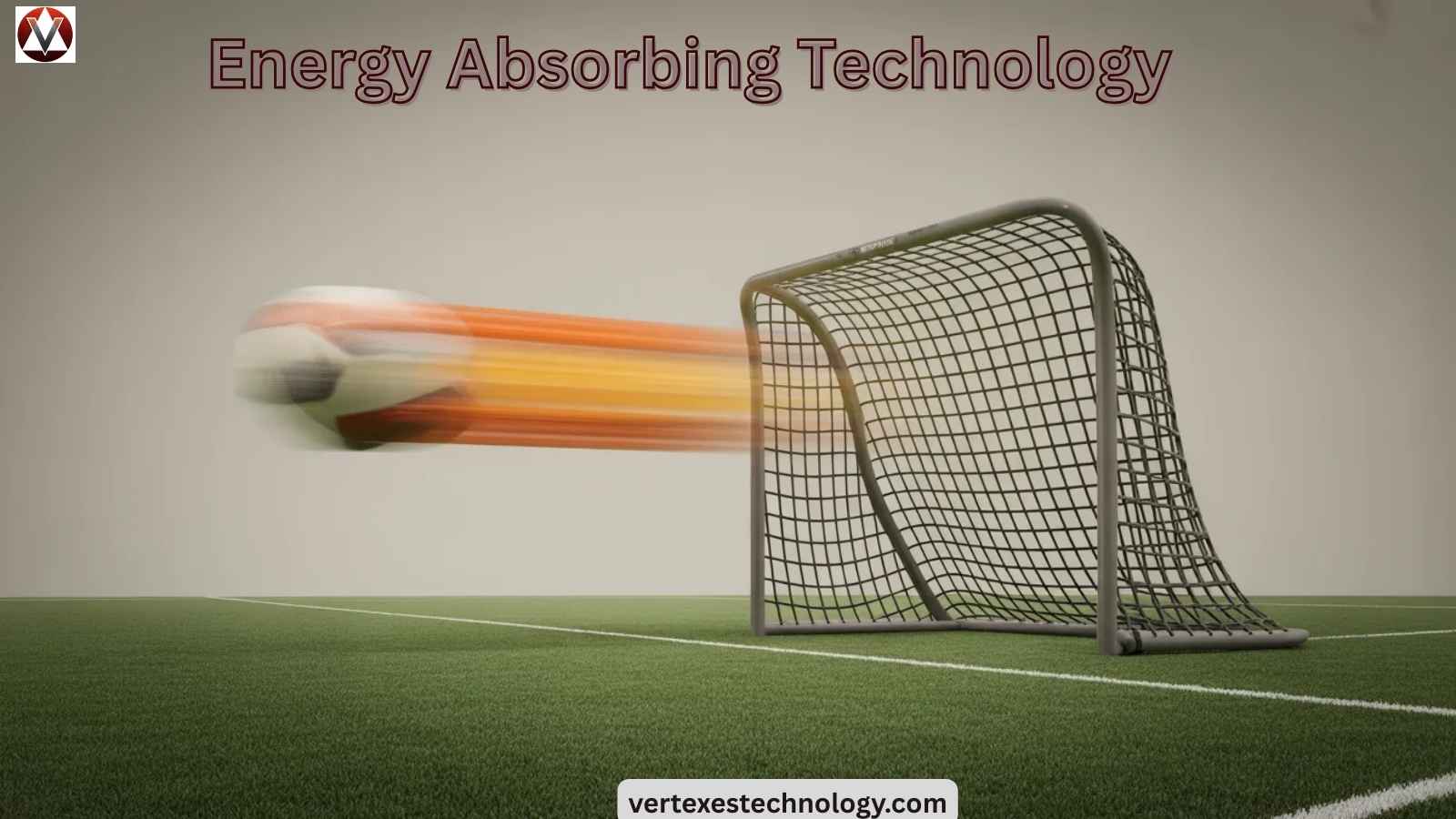
Energy Absorbing Technology plays a vital role in modern safety-focused design across multiple industries. It helps control force, manage impact, and protect both people and equipment from sudden shocks. By converting kinetic energy into controlled deformation, this technology reduces damage and improves reliability. From sports training systems to automotive safety components and defense applications, energy absorbing solutions enhance performance while lowering risk. Engineers rely on carefully selected materials and smart structural designs to ensure consistent behavior under pressure. As industries demand safer, longer-lasting products, Energy Absorbing Technology continues to evolve, offering smarter, lighter, and more efficient ways to handle impact in real-world environments.
What Is Energy Absorption?
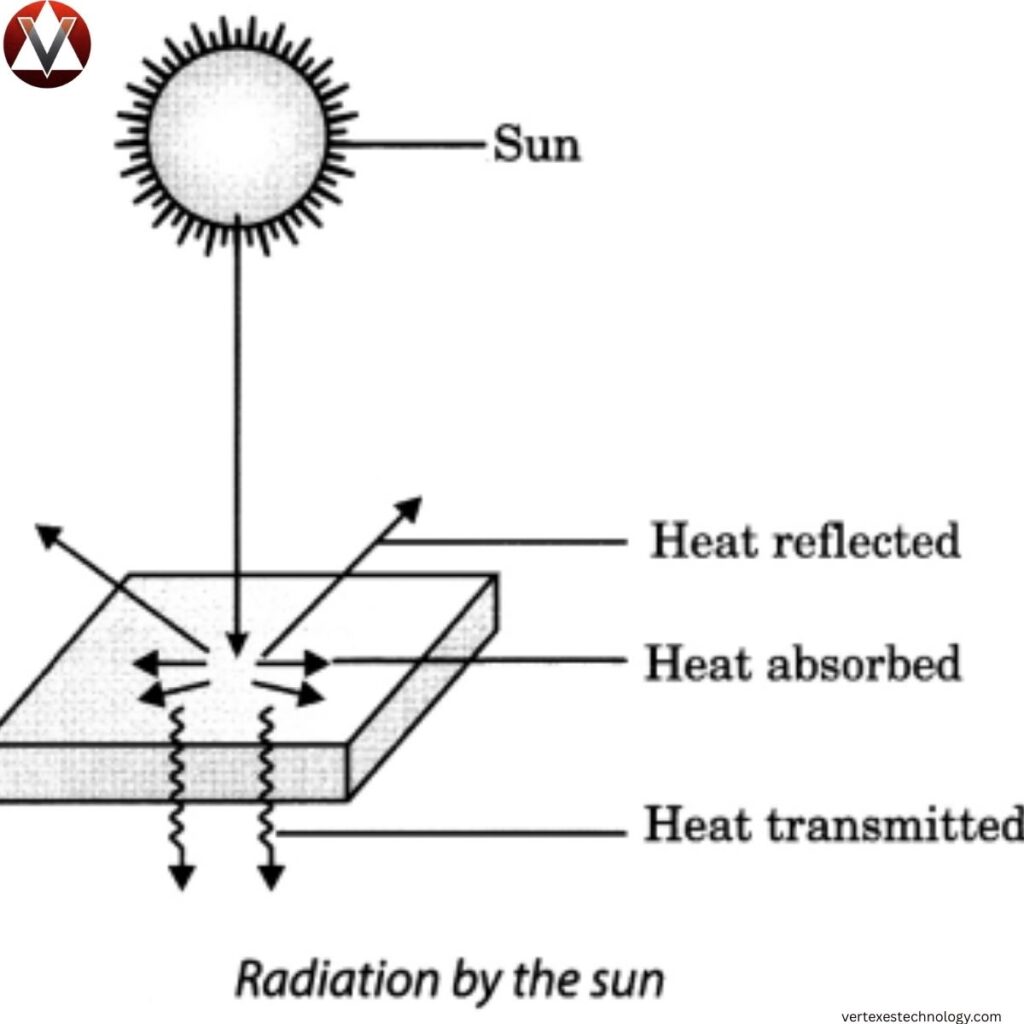
Energy absorption means capturing force and spreading it out over time. In science, absorption of energy is called dissipation. Instead of letting force bounce back, an Energy absorption system manages it gently. A common example is a shock absorber in a car that smooths out rough roads.
In Energy Absorbing Technology, materials compress, bend, or flex when hit. This process absorbs impact energy efficiently and prevents sudden failure. In sports, this approach supports Sports safety technology by lowering injury risks. In machines, it prevents cracks and breakdowns caused by repeated stress.
How Energy Absorbing Technology Works
Energy Absorbing Technology works by slowing down motion instead of stopping it instantly. When impact happens, the system spreads force across materials. This action reduces stress on net structure and other load-bearing parts. Engineers explain this using the energy absorption formula, where kinetic energy turns into deformation.
In sports systems, Impact absorption technology uses flexible frames and elastic materials. These designs minimizes rebound force and stabilize equipment after impact. The result is predictable behavior and better control during repeated use. This balance improves safety and reliability.
Importance of Energy Absorbing Technology in Modern Industries
Industries rely on Energy Absorbing Technology to meet safety standards. In the United States, OSHA and transportation agencies demand impact control. Without absorption systems, injuries increase and equipment fails faster. This technology acts as a protective layer for people and products.
Manufacturers also gain financial benefits. Absorbing force prolongs equipment lifespan and reduces maintenance costs. Customers trust products that feel safe and stable. Energy absorption has become a core requirement rather than a luxury.
Energy Absorbing Materials Used Today
Modern Energy Absorbing Technology depends on smart materials. Energy absorbing foam compresses under load and recovers quickly. Polymers and rubber stretch and flex repeatedly. Metals deform slowly to handle extreme forces. Each material serves a specific purpose.
Advanced systems combine multiple materials for better performance. This hybrid approach improves durability and comfort. Engineers select materials based on weight, strength, and flexibility. The goal remains simple. Control energy without adding bulk.
Common Applications of Energy Absorbing Technology
Energy Absorbing Technology appears in many everyday products. In sports, Shock absorbing sports nets protect players during intense practice. These systems use Portable sports net technology to deliver safety without sacrificing mobility.
In automotive and construction fields, absorption systems protect passengers and structures. Industrial machines use vibration control to prevent damage. Even packaging relies on absorption to protect fragile goods during shipping.
Energy Absorbing Technology Examples (Real-World Use Cases)
Sports training offers clear examples of Energy Absorbing Technology. Durable training nets handle repeated impacts from fast-moving balls. Their Net impact resistance keeps rebounds predictable. This design supports Athletic performance equipment by creating safe training environments.
High-quality systems act as High-impact training equipment that can handle intense use. They are designed for high-velocity impacts and perform consistently over time. Coaches prefer systems that combine safety with performance.
Energy Absorbing Technology in Defense & Advanced Systems
Defense applications demand extreme reliability. Energy Absorbing Technology protects vehicles, aircraft, and equipment from shock and vibration. These systems must perform under harsh conditions and sudden force.
Military-grade designs are engineered for durability and safety. They often use layered materials and advanced damping techniques. This approach ensures performance even in unpredictable environments.
Leading Energy Absorption Companies & Innovations
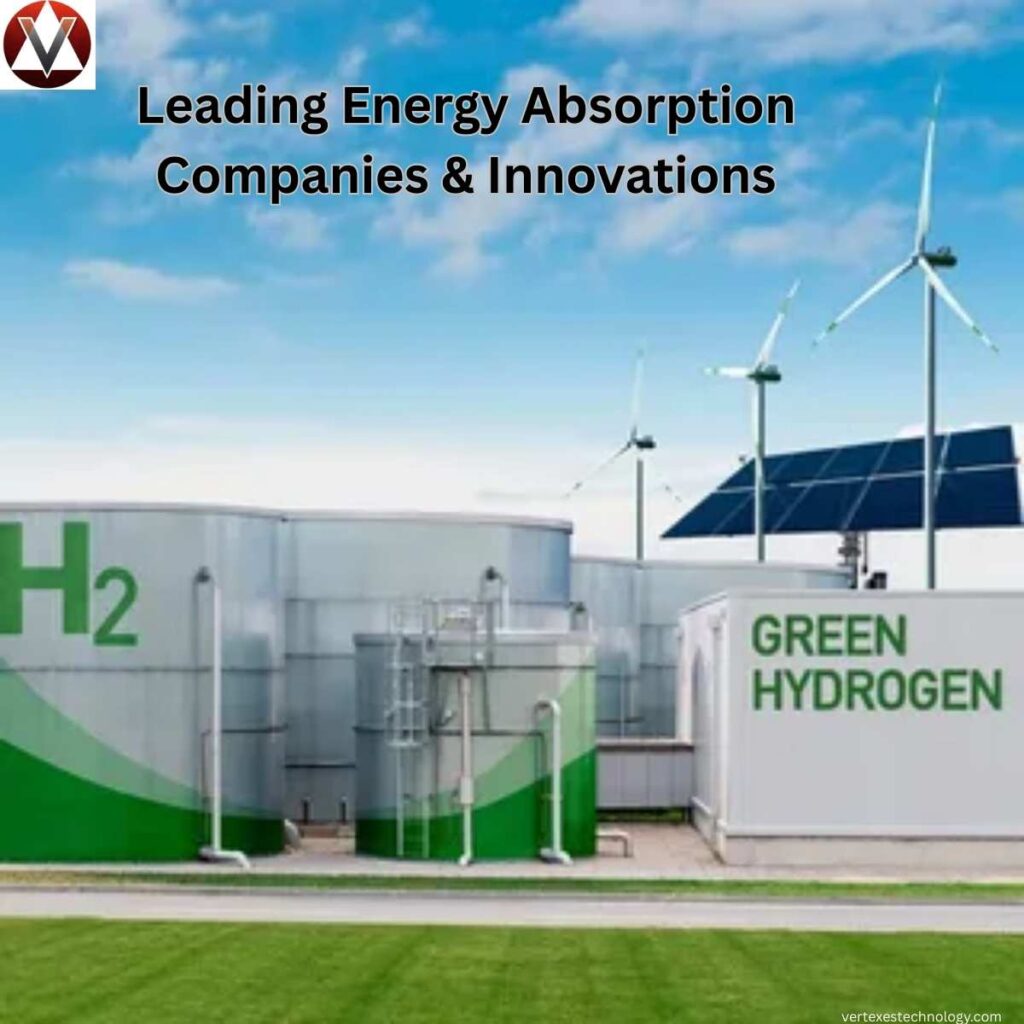
Innovation drives Energy Absorbing Technology forward. Many companies now focus on Advanced sports net design and safety-focused systems. These solutions feature lightweight yet strong construction and easy setup.
Modern designs are ideal for indoor and outdoor practice and meet professional standards. A portable net with energy absorption system supports flexible training. Experts often describe these products as professional-grade training equipment because they balance safety, durability, and performance. The benefits of shock absorption in sports nets continue to shape the future of energy absorbing technology in sports equipment and beyond.
FAQs
What is an example of absorption of energy?
A car’s shock absorber is a common example because it absorbs kinetic energy from bumps and converts it into heat.
What is the latest technology in energy?
The latest energy technologies include solid-state batteries, perovskite solar cells, green hydrogen systems, and AI-driven smart grids.
Which is better, TOPCon or bifacial?
TOPCon is better for higher efficiency and performance, while bifacial panels are better for capturing reflected sunlight in open environments.
Is a 90% efficient solar panel possible?
No, a 90% efficient solar panel is not currently possible due to physical and thermodynamic limits.
What is energy absorbing?
Energy absorbing refers to materials or systems that take in and dissipate energy to reduce impact or damage.
What is a device that absorbs energy?
A shock absorber is a device that absorbs mechanical energy to control motion and reduce force.
Is human energy harvesting real?
Yes, human energy harvesting is real and uses body motion, heat, or footsteps to generate small amounts of power.
What is the most energy absorbing material?
Aerogels and viscoelastic foams are among the most energy-absorbing materials used today due to their structure and flexibility.
Final Thoughts
Energy Absorbing Technology has become an essential part of modern design where safety, durability, and performance matter most. By controlling impact and reducing force, it protects people, extends equipment life, and improves reliability across industries. From sports training systems to advanced engineering applications, this technology continues to evolve with smarter materials and better designs. As innovation moves forward, energy absorbing solutions will play an even bigger role in creating safer environments and more resilient products for everyday and professional use.