
The field of Artificial Intelligence (AI) is a vast and dynamic area of computer science focused on creating systems that can perform tasks typically requiring human intelligence. Here’s a structured overview of its key branches and applications:
Imagine autonomous machines that can roam around woods, factories, or building sites and function similarly to people, recognizing, picking up new skills, and changing course as needed.
That’s exactly what Field Artificial Intelligence wants to accomplish. Because they’ve heard about advancements in robotics and autonomy, many people look up “field Artificial Intelligence.,” but they’re not entirely sure what it is, how it differs from traditional AI, or why it matters. To put it briefly, “field Artificial Intelligence.” aids in bridging the gap between artificial intelligence developed in labs and its practical application in unpredictably messy settings.
RELATED: ADAS and Autonomous Vehicle Technology
How Field AI Enhances Efficiency and Operational Intelligence
Field AI boosts efficiency by analyzing real-time data, predicting issues, and automating decisions. In industries like healthcare, construction, and logistics, it reduces downtime, prevents errors, and speeds up operations. For example, predictive maintenance alerts technicians before equipment fails.
By integrating IoT devices, machine learning, and smart monitoring systems, Field AI provides actionable insights instantly. Teams make faster, smarter decisions without waiting for reports. This combination of automation and intelligence transforms operations, saves costs, and improves overall productivity in the field.
Real-Life Examples of Field AI in Everyday Life
1. Smart Traffic Navigation
Delivery services use Field AI to monitor live traffic conditions and road closures. The system analyzes patterns instantly and suggests faster alternate routes. Drivers avoid congestion. Companies save fuel costs daily. Even commuters benefit when navigation apps quietly optimize their journey.
2. Precision Farming Support
Modern farmers rely on Field AI powered soil sensors and weather trackers. The system studies moisture levels and predicts rainfall accurately. Farmers water crops only when needed. This reduces waste and increases harvest quality without guesswork.
3. Real-Time Health Monitoring
Hospitals integrate Field AI with wearable health devices. The technology tracks heart rate, oxygen levels, and movement patterns continuously. If unusual readings appear, doctors receive immediate alerts. Quick intervention often prevents serious complications.
4. Construction Site Safety
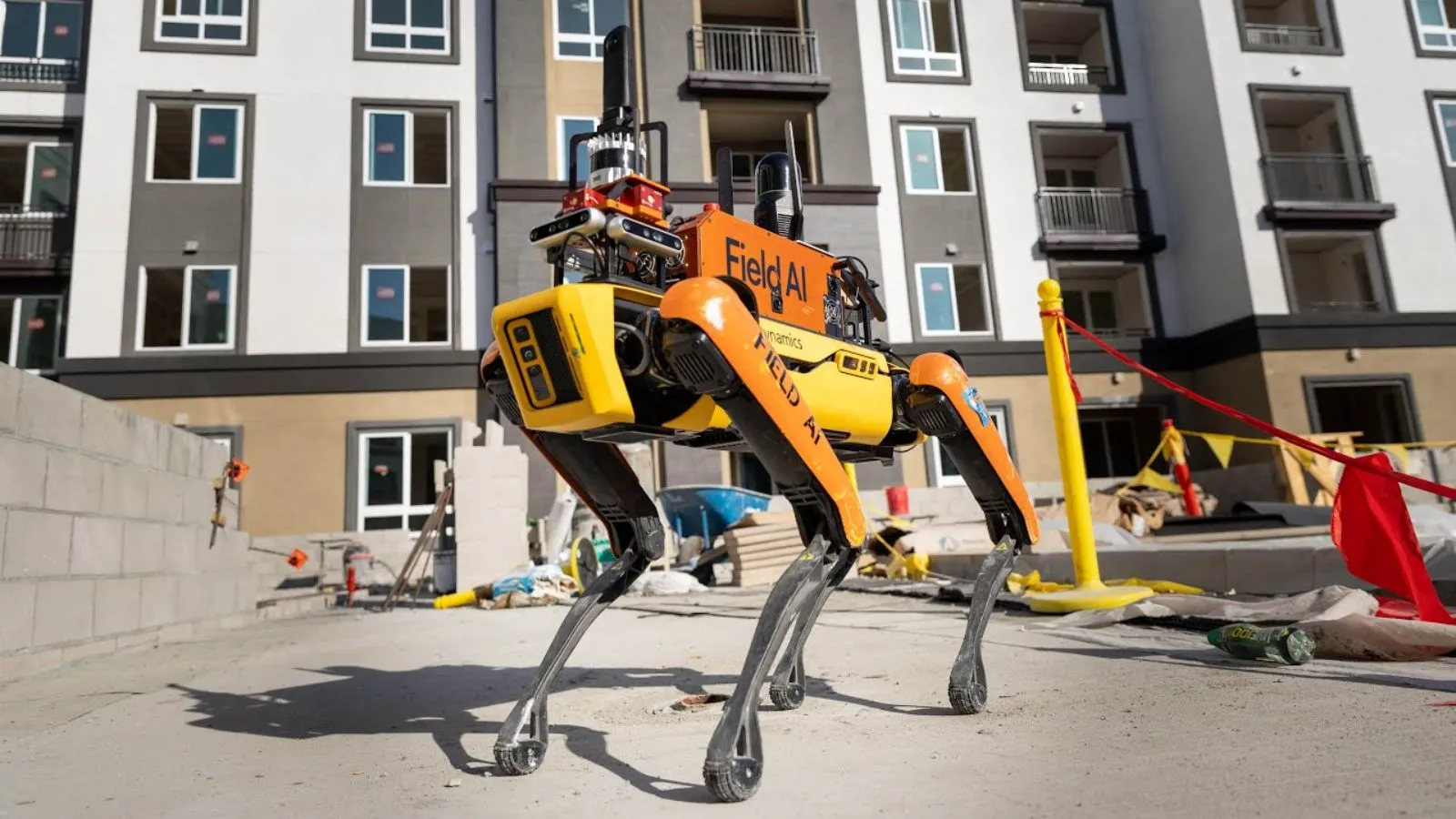
Construction companies deploy Field AI using drones and smart cameras. The system scans equipment, detects structural risks, and flags unsafe zones. Workers receive early warnings before accidents occur. Safety improves while project timelines stay on track.
Benefits, Safety Measures, and Real-World Applications of Field AI
Field AI improves efficiency, accuracy, and decision-making across industries. It predicts equipment failures, monitors health, and optimizes resource use. Safety is critical—implement strong cybersecurity, ethical AI policies, and regular audits to prevent misuse.
Real-world applications include smart hospitals, precision farming, warehouse automation, and construction site monitoring. Proper adoption ensures maximum benefits with minimal risk.
Practical Tips for Successful Field AI Adoption
Start with clear objectives. Define measurable outcomes before deploying Field Artificial Intelligence. Integrate existing databases carefully to avoid fragmented information silos. Invest in AI infrastructure planning, cybersecurity frameworks, and workforce upskilling programs. Monitor performance regularly. Continuous evaluation ensures Field Artificial Intelligence evolves alongside organizational goals.
Field Artificial Intelligence Careers

The Field Artificial Intelligence careers offer diverse paths for tech enthusiasts and problem solvers. Field Artificial Intelligence engineers design intelligent systems that operate in real environments like construction sites or farms. Machine learning specialists train algorithms using field data. Meanwhile, AI deployment managers handle implementation and system integration.
Unlike traditional IT jobs, Field Artificial Intelligence roles often require on-site testing and real-world adaptation. For example, a robotics technician may calibrate drones outdoors rather than work behind a desk. Data analysts interpret live sensor outputs. Cybersecurity experts protect field networks from threats.
RELATED: Technology Word Search Puzzles – The Complete Learning Guide
Salaries vary by role and experience, yet demand continues rising globally. Professionals with skills in edge computing, automation, and data analytics gain strong career advantages. Field AI careers blend innovation with practical impact, making them dynamic and future-focused.
AI Robotics in Field
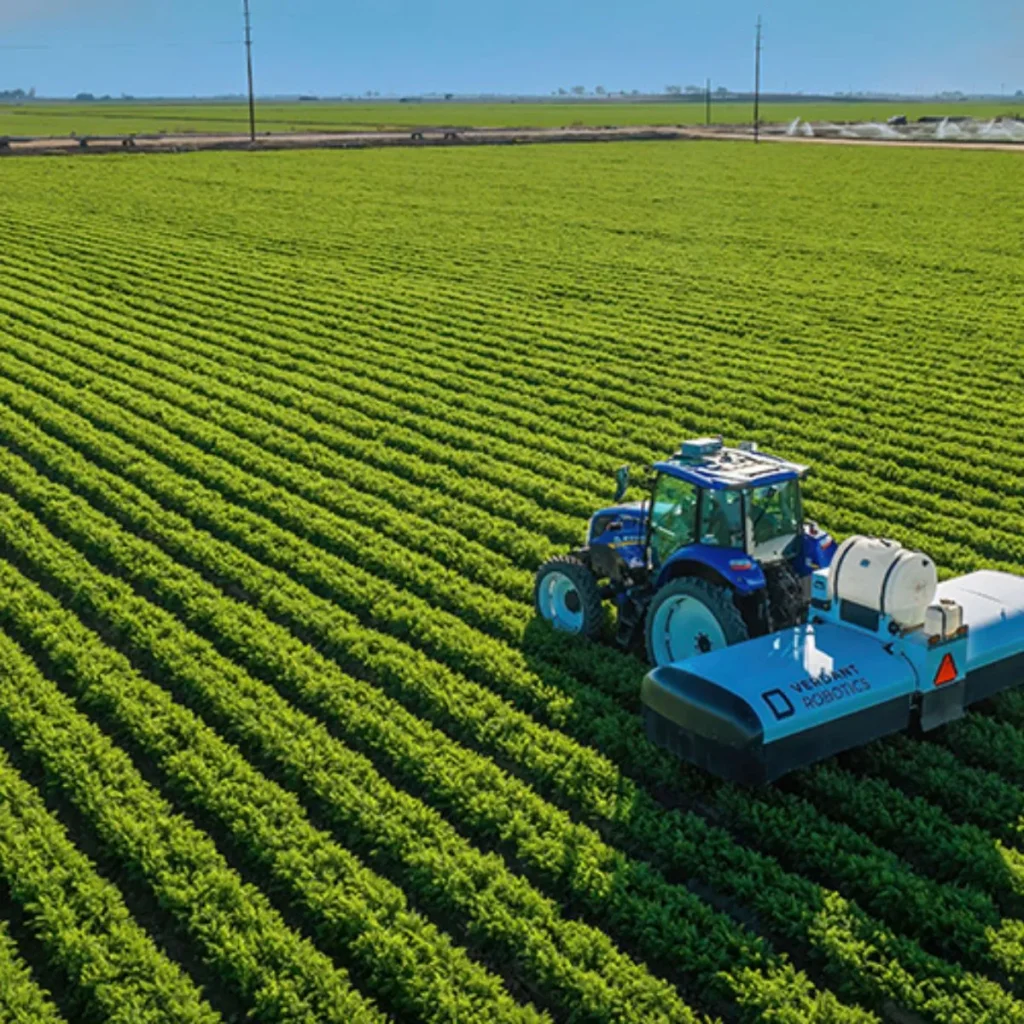
Field AI Robotics combines autonomous robots, machine learning systems, and real-time sensor data to perform tasks in dynamic environments. These robots operate in farms, warehouses, hospitals, and disaster zones. For example, agricultural robots use Field AI to detect crop disease early. Meanwhile, warehouse robots optimize inventory movement without human guidance.
Unlike traditional automation, Field AI Robotics adapts to changing surroundings. It learns from obstacles, weather shifts, and human interaction. This flexibility improves safety, boosts efficiency, and reduces operational costs in everyday industrial operations.
Field Artificial Intelligence– Quick Answer
Field Artificial Intelligence refers to artificial intelligence systems designed to be deployed in real-world, unstructured environments, especially where conditions are unpredictable, mapping is limited, or direct human guidance is difficult.
In other words, unlike purely digital Artificial Intelligence. that works in controlled or simulated settings, field Artificial Intelligence. operates “in the field.”
Examples:
- Robots performing inspections on active construction sites using on-board AI to navigate and analyze structures.
- Drones flying through forests to monitor ecological changes and adjusting in real time to branches or wind.
- Autonomous robots in mines where GPS is unavailable, relying on sensors and adaptive models to move safely.
Hence, field Artificial Intelligence is the practical, embodied form of artificial intelligence that confronts real physical complexity.
Final Thoughts
Field AI transforms how industries operate, making processes smarter, faster, and safer. By combining real-time data, automation, and predictive intelligence, it enhances efficiency and decision-making. When implemented responsibly with proper training and security, Field AI becomes a powerful tool that drives innovation and delivers measurable results across everyday operations.