
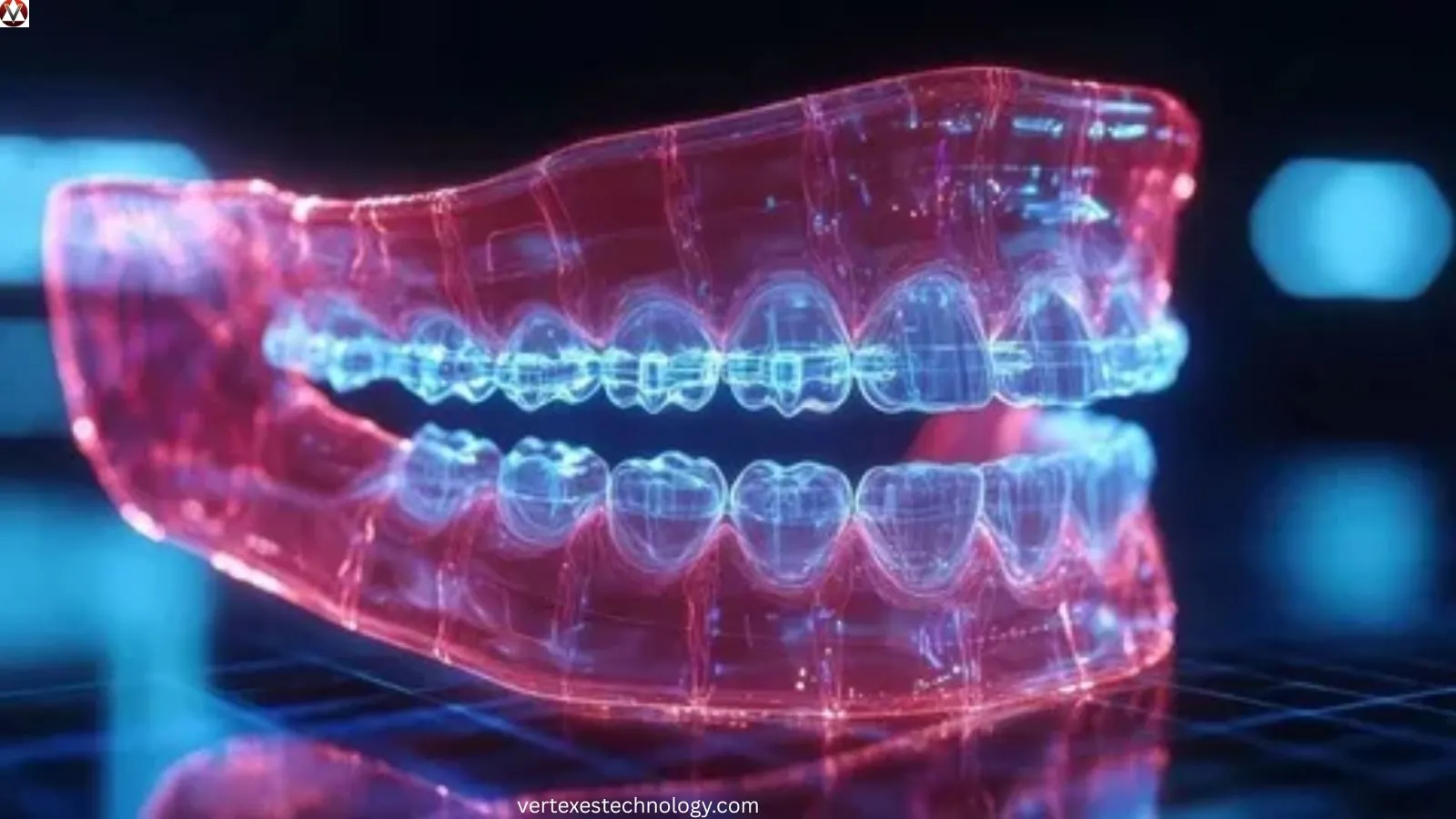
Orthodontic Technology has transformed how American orthodontists diagnose and treat complex dental issues. Today, this advanced Dental technology specialty blends biomechanics, software intelligence, and precision tools to improve Malocclusion treatment, Tooth irregularity correction, and Jaw relationship imbalance. In simple words, it reshapes smiles using science and smart machines.
When patients ask, What is orthodontic technology, the answer is clear. It combines traditional skill with Digital orthodontics, AI-powered smile analysis, and Digital technology in orthodontics to create faster, safer, and more predictable results.
The Evolution of Modern Orthodontic Care
Orthodontic Technology began with heavy metal bands and basic wires. However, it quickly evolved into a precision-driven system guided by Radiographic diagnosis and Cephalometric analysis. Earlier, doctors relied only on plaster models. Today, Digital radiography in dentistry and 3D dental radiography provide exact bone and root visualization.
Over time, treatments shifted from mechanical adjustments to Digital treatment planning and CAD/CAM orthodontics. As a result, orthodontists now predict tooth movement before placing braces. This progress improved Orthodontic treatment duration and reduced errors. Consequently, patients experience fewer complications and more efficient Bite correction therapy.
Types of Orthodontic Appliances Used Today
Orthodontic Technology includes many Orthodontic appliances. These include Fixed orthodontic appliances, Removable orthodontic appliances, and Functional orthodontic appliances. The Difference between fixed and removable appliances depends on control and flexibility. Fixed systems offer continuous pressure. Removable systems allow cleaning ease and comfort.
Furthermore, Active orthodontic appliances move teeth using force. Meanwhile, Passive orthodontic appliances maintain position. Devices such as the Expansion and labial segment alignment appliance (ELSAA), Begg lightwire appliance, Pre-adjusted edgewise appliance, Self-ligating brackets, and Tip-edge appliance remain popular in U.S. clinics. These tools support Occlusal development and structured alignment.
| Appliance Type | Purpose | Common Use |
|---|---|---|
| Fixed systems | Continuous force | Complex alignment |
| Removable systems | Flexible wear | Mild corrections |
| Functional devices | Growth guidance | Skeletal imbalance |
Clear Aligners and Invisalign Treatment
Clear aligners represent modern Orthodontic Technology at its best. Systems like Invisalign use Digital dental scanners and Intraoral scanning technology to capture exact impressions. Then, Electronic scan transfer sends data to labs for Digital aligner manufacturing. This process ensures accuracy and comfort.
Additionally, aligners support Overjet reduction and aesthetic improvement. Because they are removable, they improve Patient compliance in orthodontics. Therefore, adults prefer them. The Benefits of digital orthodontics include fewer visits and precise tooth staging through Digital treatment planning.
Digital Technologies Transforming Orthodontics
Orthodontic Technology now depends on advanced imaging. Digital radiography in dentistry improves safety. Meanwhile, 3D dental radiography allows detailed bone mapping. This technology supports Impacted tooth detection and better TMJ diagnosis imaging.
Moreover, orthodontists use AI-powered smile analysis to simulate outcomes. Through CAD/CAM orthodontics, brackets and wires are customized. As a result, Orthodontic treatment duration decreases and precision increases dramatically.
Digital X-Rays and Low-Radiation Imaging
Modern X-rays reduce exposure significantly. They assist in Radiographic diagnosis and support Functional analysis in orthodontics. Therefore, doctors evaluate bone density and root position safely.
Cone Beam Computed Tomography (CBCT)
CBCT delivers 3D skull imaging. It guides Mandibular advancement and airway evaluation. This improves complex case planning.
iTero™ Intraoral Scanner
This scanner enhances Intraoral scanning technology accuracy. It removes messy impressions and speeds workflow.
3D Treatment Planning and CAD/CAM Systems
These systems power Digital treatment planning and robotic wire precision. They redefine Orthodontic Technology efficiency.
Orthodontic Appliance Catalog and Product Manufacturers
American manufacturers supply advanced materials for Orthodontic Technology. Products include Bi helix appliance, Tri helix appliance, Quad helix appliance, and Palatal expander systems. These tools support Jaw expansion therapy and skeletal correction.
Additionally, appliances such as Rapid maxillary expansion (RME) and Orthodontic headgear play roles in Maxillary growth modification. Doctors choose devices depending on severity and growth stage. High-quality materials reduce Appliance breakage rate significantly.
Step-by-Step Orthodontic Treatment Process
Orthodontic Technology follows a precise path. First comes consultation and Cephalometric analysis. Next, doctors use Digital dental scanners for imaging. Then they design movement using Digital treatment planning software.
After appliance placement, patients enter active correction. During this phase, Muscle function guidance and Mandibular posturing are monitored. Finally, retainers protect results during the Permanent dentition phase.
| Phase | Technology Used | Goal |
|---|---|---|
| Diagnosis | 3D imaging | Accurate mapping |
| Planning | AI software | Predictable shifts |
| Active treatment | Braces or aligners | Alignment |
| Retention | Retainers | Stability |
Career Path: Becoming an Orthodontic Technician
Orthodontic Technology also offers strong careers. Technicians train in this Dental technology specialty and learn appliance fabrication. They master Digital aligner manufacturing and 3D modeling systems.
In the USA, certification improves employability. Skilled technicians assist in Mixed dentition treatment, appliance repair, and digital lab design. As Orthodontic Technology grows, demand for trained professionals continues rising.
Orthodontic Technician Salary and Job Outlook
Orthodontic Technology careers offer competitive pay. U.S. technicians earn between $45,000 and $75,000 annually depending on expertise. Specialists in CAD/CAM orthodontics and digital workflows often earn more.
Furthermore, demand increases due to expanding Malocclusion treatment needs. As cosmetic awareness grows, job stability strengthens nationwide.
Benefits of Advanced Orthodontic Technology for Patients
Orthodontic Technology improves comfort and speed. Advanced devices like Twin block appliance, Herbst appliance, Fixed Lingual Mandibular Growth Modificator (FLMGM), Activator appliance, Bionator appliance, and Frankel appliance support Forward mandibular positioning and growth correction.
Additionally, tools like Orthodontic facemask and Reverse-pull headgear assist in Class III malocclusion correction. Meanwhile, devices used for Class II malocclusion treatment reduce need for surgery. Early intervention promotes Orthognathic surgery reduction.
Future Trends in Orthodontic Innovation
Orthodontic Technology continues evolving rapidly. AI systems now guide Functional appliances in orthodontics selection. Doctors compare Twin block vs Herbst appliance digitally before placement. This improves outcomes.
Looking ahead, robotics will refine wire bending. Smart aligners may monitor force levels. Therefore, Orthodontic Technology will become even more personalized and efficient in the coming decade.
FAQs
1. What is orthodontic technology?
Orthodontic technology is the use of advanced tools, imaging systems, and appliances to diagnose and correct teeth and jaw alignment problems.
2. What are the different types of ortho technology?
They include digital imaging, clear aligner systems, fixed braces, functional appliances, CAD/CAM systems, and AI-based treatment planning tools.
3. What is the process of orthodontics?
It starts with consultation and diagnosis, followed by treatment planning, appliance placement, active adjustment, and finally retention to maintain results.
4. What are the 4 branches of orthodontics?
Preventive orthodontics, interceptive orthodontics, corrective orthodontics, and surgical orthodontics are the four main branches.
5. What is BDS in orthodontics?
BDS stands for Bachelor of Dental Surgery, which is the basic dental degree required before specializing in orthodontics.
6. How many years is orthodontic?
It usually takes about 10–11 years in the USA, including undergraduate study, dental school, and 2–3 years of orthodontic residency.
7. What is the best age for orthodontics?
The ideal age is between 9 and 14 years, when jaw growth allows easier correction, though adults can also receive treatment.
8. What is the highest paid orthodontist?
Top orthodontists in the USA can earn over $300,000 per year, especially those running successful private practices.
9. What are the 3 M’s in orthodontics?
The 3 M’s refer to Mechanics, Materials, and Management, which guide appliance design, force control, and treatment planning.
Final Thoughts
Orthodontic Technology has changed orthodontic care across the United States. It blends science, digital precision, and clinical expertise. From Types of orthodontic appliances to AI-guided planning, every stage benefits from innovation. Moreover, growth-focused tools such as Growth modification appliances allow early skeletal correction during key developmental windows.
Because digital systems improve imaging clarity and movement prediction, patients experience shorter appointments and safer outcomes. Meanwhile, professionals enjoy better workflow control and career growth. Orthodontic Technology does not simply straighten teeth. Instead, it reshapes facial harmony, improves airway function, and enhances confidence. As research continues, smarter diagnostics and automated design will dominate practices nationwide.
In short, Orthodontic Technology represents the future of smile correction. It offers precision, comfort, and reliability. Patients receive predictable results. Doctors gain advanced control. Therefore, this field will remain central to modern dental innovation for years to come.