
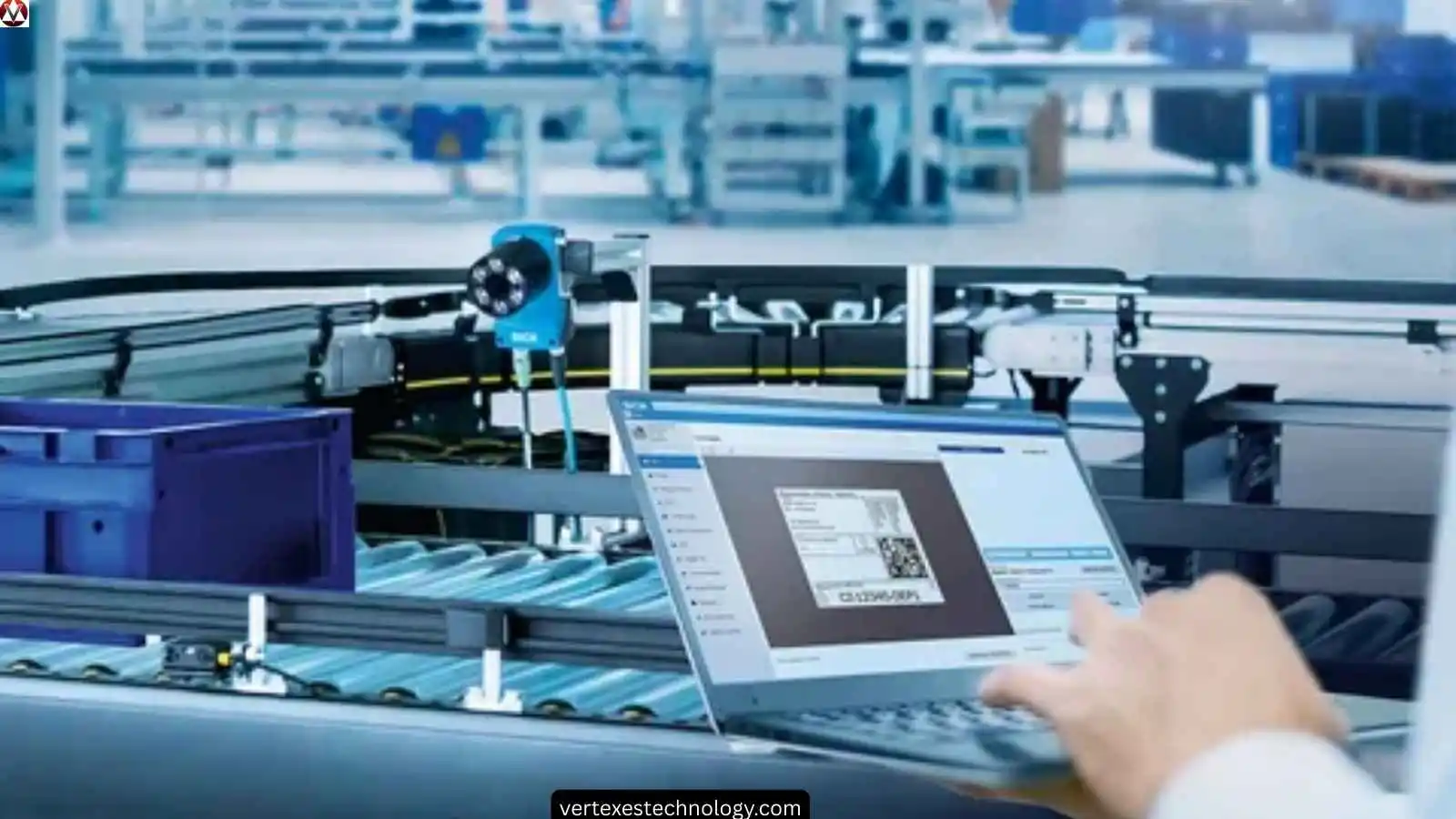
Modern factories no longer rely on clipboards and guesswork. Today, Quality Inspection Technology Systems combine software, hardware, and analytics to protect product integrity. Across the United States, manufacturers adopt digital inspection frameworks to meet strict standards, reduce waste, and stay competitive.
These systems power Automated Quality Inspection (AQI) and Automated quality control inspection (AQCI) environments. They connect production lines with smart analytics. As a result, companies gain Enhanced inspection accuracy and consistency, Reduced human error in production, and Improved inspection speed and throughput. Therefore, quality becomes proactive rather than reactive.
Types of Quality Inspection in Manufacturing Using Quality Inspection Technology Systems
Manufacturers apply Quality Inspection Technology Systems at four key stages: Pre-Production, In-Process, Final Inspection, and Container Loading. Each phase protects a different risk point. In addition, the 7-point inspection checks dimensions, labeling, functionality, surface finish, packaging, compliance marks, and documentation accuracy.
Consider Medical device quality inspection. Pre-production verifies raw material certification. During production, Production process monitoring ensures tolerance control. Final inspection confirms sterilization and labeling. Meanwhile, container loading validates shipment accuracy. Together, these layers provide Safety and compliance verification and reduce costly recalls.
| Inspection Stage | Purpose | Business Impact |
|---|---|---|
| Pre-Production | Material and design validation | Fewer startup errors |
| In-Process | Real-time monitoring | Lower defect rate |
| Final | Product verification | Customer satisfaction |
| Container Loading | Shipment accuracy | Reduced disputes |
Types of Quality Control Methods in Advanced Quality Control Technology Systems
Quality Inspection Technology Systems rely on Process Control, Acceptance Sampling, Control Charts, and Product Quality Control. Process Control stabilizes production flow. Acceptance Sampling evaluates batch quality. Control Charts track variation trends. Product Quality Control confirms final compliance.
For instance, in Pharmaceutical product inspection, statistical sampling ensures dosage accuracy. Meanwhile, control charts reveal temperature drift during tablet compression. Consequently, firms achieve Data-driven quality control and Predictive quality issue identification. This structured approach strengthens Compliance and regulatory inspection within FDA frameworks.
The 7 QC Tools for Quality Improvement
The seven QC tools form the backbone of Quality Inspection Technology Systems. These include Cause and Effect Diagram, Pareto Chart, Histogram, Control Chart, Scatter Diagram, Check Sheet, and Flowchart. Each tool isolates root causes quickly.
For example, a Pareto Chart in Food and beverage inspection technology may show packaging leaks cause 70 percent of returns. Therefore, engineers fix sealing parameters first. This strategy supports Waste reduction and environmental impact mitigation and delivers Minimized product recalls and customer complaints.
The 5 Core Quality Tools in Manufacturing
The automotive sector follows APQP, PPAP, FMEA, MSA, and SPC standards defined by AIAG. These tools integrate seamlessly with Quality assurance automation platforms. They prevent risks before production even begins.
For example, FMEA predicts potential failure points in Aerospace component inspection. Meanwhile, SPC maintains statistical stability during machining. As a result, companies achieve Optimization of manufacturing processes and Integration with existing production systems without disrupting workflow.
Latest Technologies Used in Automated Quality Inspection Technology Systems
Today, Machine vision inspection systems, AI, IoT, Robotics, 3D Scanning, Digital Twins, and Cloud dashboards drive Quality Inspection Technology Systems. These tools enable Automated process monitoring and reporting across entire facilities.
A Michigan automotive plant installed AI cameras for Defect detection automation. The system adapts through Machine learning algorithm adaptation for AQI. Consequently, the plant achieved Reduced labor costs and staffing requirements while gaining Scalable automated inspection solutions.
Advanced Technologies Transforming Quality Systems
Advanced innovation reshapes Process automation in manufacturing. Artificial Intelligence, Big Data, Blockchain traceability, Robotics, 3D Printing, Edge Computing, and Cyber-Physical Systems create adaptive factories. Furthermore, these technologies improve Product traceability and quality across supply chains.
For example, blockchain secures part histories in defense manufacturing. Meanwhile, edge computing delivers instant alerts for Real-time inspection feedback. This ecosystem fuels Data collection and defect pattern analysis and accelerates Inspection efficiency improvement.
Tools and Equipment Used in Quality Inspection
Every Quality Inspection Technology System relies on precision instruments. Calipers and micrometers verify dimensions. Coordinate Measuring Machines scan complex geometries. Vision systems compare parts against CAD models. Industrial scanners manage traceability data.
These tools enhance Enhanced inspection accuracy and consistency across high-risk sectors. For instance, semiconductor manufacturers use micron-level scanning to avoid performance failure. Therefore, precision hardware combined with AI software ensures Improved inspection speed and throughput.
Role of Machine Vision and Automation in Quality Inspection
Machine vision acts as the digital eye of Quality Inspection Technology Systems. Cameras capture thousands of images per minute. AI software analyzes patterns instantly. Consequently, factories experience Real-time defect detection and correction without slowing assembly lines.
A case study from Ohio shows a packaging plant cut error rates by 45 percent after implementing AI-driven quality inspection. The system provided instant alerts. Therefore, supervisors adjusted machinery before large-scale damage occurred. This approach strengthens Manufacturing process optimization and long-term sustainability.
Zebra Technologies in Quality Inspection Systems
Zebra Technologies supports advanced Quality Inspection Technology Systems across U.S. industries. Their Zebra Manufacturing Solutions and Zebra Automotive Solutions enhance plant visibility. Zebra Traceability Systems strengthen compliance tracking. Meanwhile, Zebra Machine Vision and Zebra Fixed Industrial Scanners boost operational transparency.
These integrated platforms empower Quality assurance automation in distribution, healthcare, and heavy industry. As a result, organizations improve decision-making speed and secure full Compliance and regulatory inspection readiness.
FAQs
1. What are the 4 types of quality inspection?
The four main types are Pre-Production Inspection, During Production Inspection, Pre-Shipment Inspection, and Container Loading Inspection to ensure quality at every stage.
2. What are the latest technologies used in inspection and quality control?
Modern inspection uses AI, Machine Vision, IoT sensors, Robotics, 3D Scanning, Drones, and Digital Twin technology for faster and more accurate quality checks.
3. What are the tools used in quality inspection?
Common tools include calipers, micrometers, gauges, coordinate measuring machines (CMM), vision systems, and testing equipment for measuring size, strength, and defects.
4. What are the 4 types of quality control?
The four types are Process Control, Acceptance Sampling, Control Charts, and Product Quality Control to monitor and maintain standards.
5. What are the 7 QC tools?
The seven QC tools are Cause-and-Effect Diagram, Check Sheet, Control Chart, Histogram, Pareto Chart, Scatter Diagram, and Flowchart used for problem solving.
6. What is a 7 point inspection?
A 7-point inspection is a quality check method where seven critical product or process parameters are inspected before approval.
7. What are the 7 advanced technologies?
Seven advanced technologies include Artificial Intelligence (AI), Internet of Things (IoT), Robotics, 3D Printing, Blockchain, Cloud Computing, and Big Data Analytics.
8. What are the 5 core tools of quality?
The five core tools (commonly used in automotive industry by AIAG) are APQP, PPAP, FMEA, MSA, and SPC.
9. What are the 5 advanced technologies?
Five advanced technologies are AI, Robotics, IoT, 3D Scanning, and Machine Vision, widely used in modern manufacturing and inspection systems.
Final Thoughts
Quality defines brand reputation in America’s competitive market. However, traditional inspection methods no longer meet modern demands. Quality Inspection Technology Systems create intelligent factories that think, adapt, and improve continuously. They combine AI, robotics, and analytics to protect revenue and strengthen compliance.
Moreover, companies that embrace Automated Quality Inspection (AQI) gain real-time insights into operations. They reduce waste, prevent recalls, and improve customer trust. Technology does not replace people. Instead, it empowers them with better tools and sharper data.
In the coming decade, digital inspection frameworks will shape every industry from aerospace to food production. Therefore, investing in smart inspection today means building resilience tomorrow. Businesses that move early will lead markets rather than chase them.