
Machine learning applications are no longer futuristic ideas. They already shape daily life in the United States, often invisibly. From smartphones to hospitals, machine learning applications help systems learn, adapt, and improve. This article explains how machine learning works in real life, using clear language, practical insight, and trustworthy examples that feel relatable and useful.
What is Machine Learning and Why It Matters
Machine learning allows computers to learn patterns from data and improve results over time. Instead of following fixed rules, machine learning models learning from data adjust their behavior based on experience. This approach enables smarter systems and supports AI systems improving decision making across many industries.
Machine learning is a core part of artificial intelligence. AI provides intelligence, while ML supplies learning ability. Together, they power automation using artificial intelligence, helping organizations save time, reduce errors, and scale faster. These foundations explain why ML has become essential in modern technology.
Machine Learning Applications in Real Life
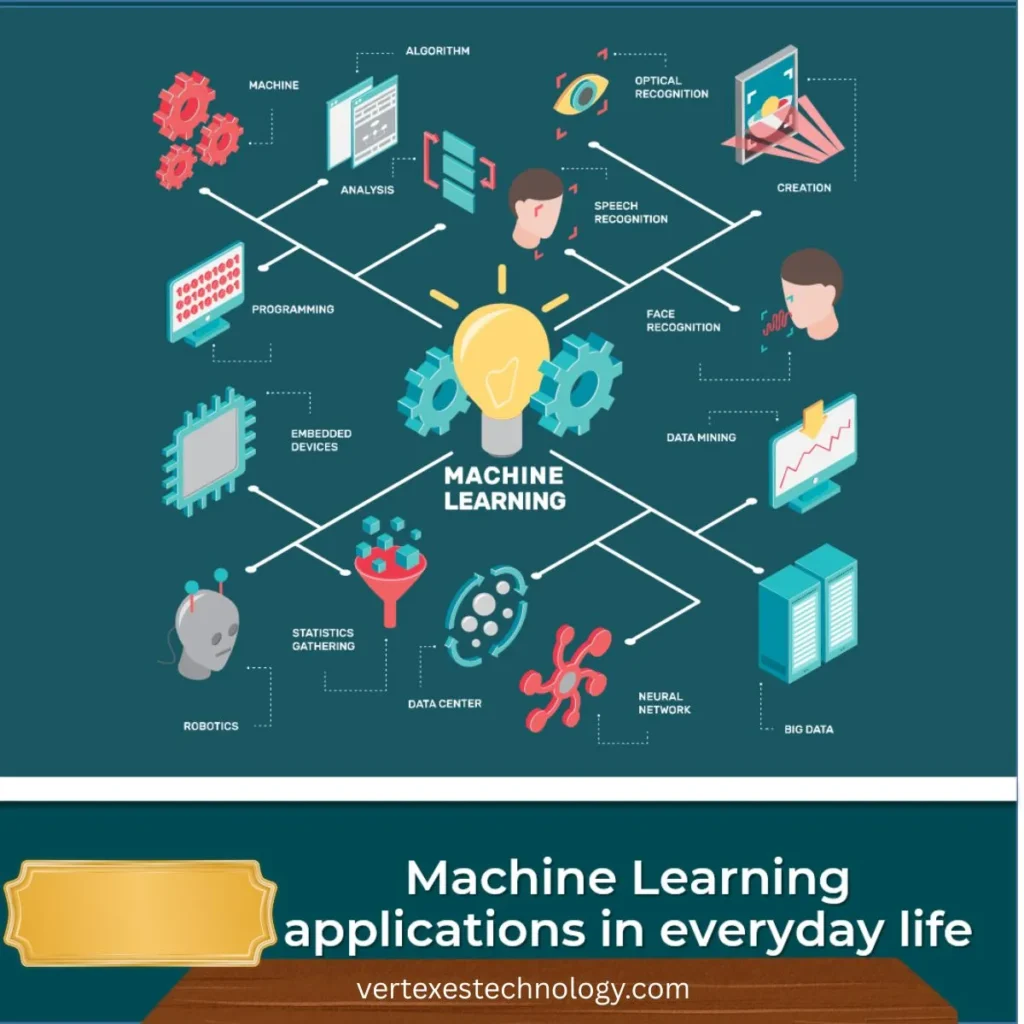
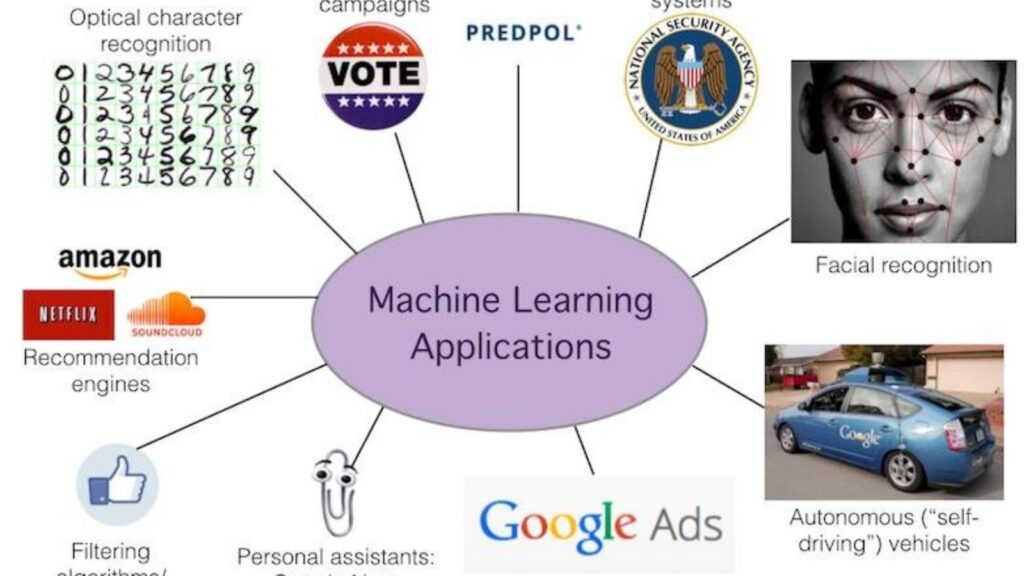
Everyday technology depends on machine learning applications in real life. Smartphones predict words, search engines rank results, and social media platforms personalize feeds. These are clear real-life examples of AI and ML working quietly in the background.
The key is analyzing user behavior with AI. Systems learn habits, preferences, and intent. This creates a personalized user experience using ML that feels natural. Over time, users trust these systems because they seem to “understand” them.
Popular Machine Learning Applications Examples
Streaming platforms rely heavily on recommendation systems. Netflix, YouTube, and Amazon use recommender systems algorithms such as collaborative filtering and content-based filtering to suggest relevant content. These models learn what users enjoy and refine suggestions continuously.
Security and convenience also benefit. Facial unlock features and photo tagging rely on computer vision applications. Voice tools use speech recognition systems, powering virtual assistants and AI like Siri and Alexa. These tools feel human because they respond naturally.
Applications of Machine Learning in Healthcare
Healthcare increasingly depends on machine learning in healthcare to improve outcomes. Doctors use medical image analysis using AI to detect cancer earlier. Hospitals rely on AI in medical diagnosis to reduce misinterpretation and fatigue-related mistakes.
Behind the scenes, predictive analytics in healthcare forecasts disease risk and patient deterioration. Researchers use machine learning in drug discovery to test compounds faster. These applications of machine learning in healthcare industry save lives and reduce costs.
| Area | ML Impact |
|---|---|
| Medical imaging | Faster, accurate diagnosis |
| Drug research | Reduced development time |
| Patient monitoring | Early warning systems |
Applications of Machine Learning in Finance and Banking
The financial sector depends on machine learning in finance because speed matters. Banks deploy fraud detection using AI to spot unusual activity instantly. This enables detecting fraudulent transactions automatically before losses escalate.
Lenders rely on credit scoring models and financial forecasting using ML to manage risk. Investors explore stock market prediction using AI and algorithmic trading and AI predictions. These systems clearly show how machine learning is used in fraud detection and forecasting.
Machine Learning Applications in Business and Marketing
Businesses use ML to understand customers better. Sales teams forecast demand accurately. Marketing teams personalize campaigns. These uses of machine learning help companies compete in crowded markets.
Customer support improves through AI chatbots for customer support. Brands deploy AI-powered customer service chatbots that respond instantly. Personalization increases trust, showing the real benefits of machine learning in business through efficiency and loyalty.
Machine Learning Apps and Tools Used Today
Many everyday tools rely on ML without users realizing it. Email spam filters, recommendation engines, design assistants, and analytics dashboards are all machine learning apps used daily.
Modern platforms use natural language processing applications to summarize content, translate text, and answer questions. These tools improve productivity and demonstrate how ML integrates smoothly into work and personal life.
Advantages of Machine Learning
The advantages of machine learning start with automation. Repetitive tasks become faster and more accurate. Systems reduce human error and handle massive datasets easily.
ML also supports smarter decisions. Organizations rely on data instead of guesses. This leads to efficiency, scalability, and innovation. Over time, ML systems improve, unlike static software.
Limitations and Challenges of Machine Learning
Despite benefits, challenges remain. ML depends heavily on quality data. Biased data leads to biased outcomes. High development costs limit access for smaller organizations.
Interpretability is another issue. Some models act like black boxes. Trust and transparency matter, especially in healthcare and finance. Addressing these challenges strengthens long-term adoption.
Future Scope of Machine Learning Applications
The future impact of machine learning looks expansive. Healthcare will gain earlier diagnoses. Finance will see smarter risk control. Education will become adaptive and personalized.
Transportation will transform through autonomous vehicles technology. Self-driving cars machine learning enables vehicles that drive themselves using AI. These rely on sensor fusion in autonomous cars, computer vision for object detection, and real-time decision making in autonomous cars. Cities will adopt smart mobility solutions and traffic optimization using AI, expanding machine learning applications in autonomous vehicles.
Research Papers, Journals, and PDFs on Machine Learning Applications
Academic research strengthens trust. Readers can explore IEEE journals, Google Research, and arXiv papers to deepen understanding. These sources provide peer-reviewed insights into machine learning transforming industries and emerging trends.
Final Thoughts
Machine learning applications already guide modern life. For example, they significantly improve healthcare, finance, business operations, and smart mobility systems. As a result, understanding these applications helps users build trust in technology and make informed decisions. Moreover, as adoption continues to grow, machine learning will increasingly shape smarter, safer, and more efficient systems across industries.