
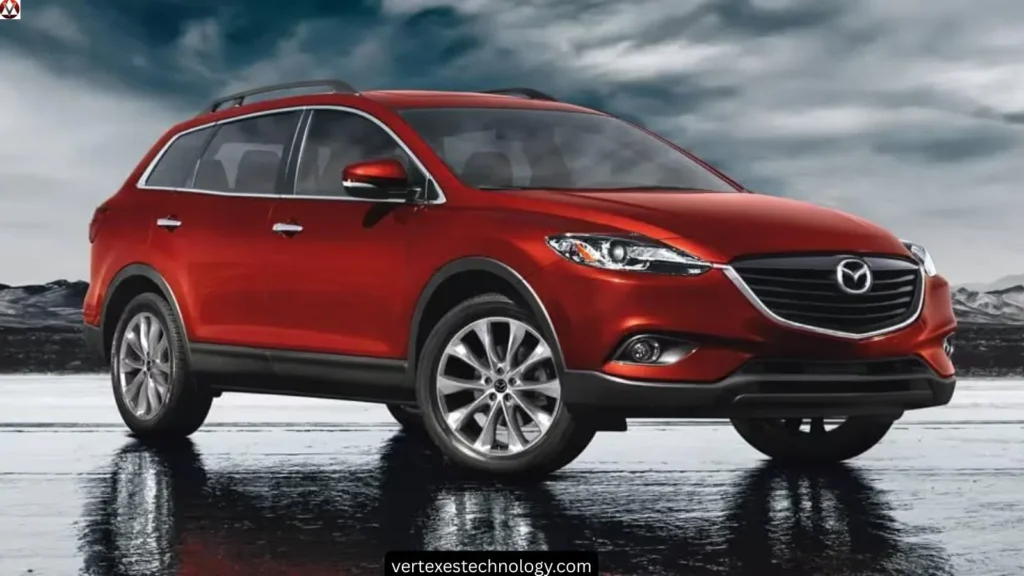
Mazda’s SkyActiv Technology represents a complete overhaul of how cars are designed for performance, efficiency, and safety.
From engines to transmissions and vehicle platforms, SkyActiv innovation in Mazda ensures that every component works together to maximize fuel economy optimization and driving pleasure.
This technology demonstrates how Mazda engine innovation pushes boundaries in automotive engineering while meeting modern environmental standards.
With growing focus on sustainability, SkyActiv fuel efficiency benefits appeal to drivers seeking performance without high fuel costs. Combining high compression ratio engine design, gasoline direct injection, and lightweight materials, Mazda has achieved remarkable thermal efficiency improvement across its lineup.
What Is SkyActiv Technology in Cars?
What is Skyactiv technology?
It is Mazda’s holistic approach to automotive engineering, covering Skyactiv engine technology, Skyactiv transmission, and Skyactiv vehicle platform. Every component is optimized to work together, reducing energy loss and improving overall vehicle efficiency.
|See More Luxury Cars with Advanced Technology
Key Components of Mazda SKYACTIV Technology
- SKYACTIV-G Engine
A high-compression gasoline engine that boosts power while improving fuel efficiency. - SKYACTIV-D Engine
A diesel engine designed for better fuel economy and lower emissions. - SKYACTIV-Drive Transmission
An automatic transmission that combines smooth shifting with strong performance. - SKYACTIV-MT Transmission
A lightweight manual gearbox that offers precise and responsive gear changes. - SKYACTIV-Chassis
A redesigned suspension system that improves stability, comfort, and handling. - SKYACTIV-Body
A lightweight yet strong body structure that enhances safety and fuel efficiency. - i-STOP System
An advanced start-stop system that saves fuel by turning off the engine when idle. - i-ELOOP System
A regenerative braking system that stores energy and improves overall efficiency.
How SkyActiv Technology Engines Improve Power and Fuel Efficiency
How Skyactiv engines work revolves around high compression ratio engine design and gasoline direct injection. By raising compression ratios, combustion becomes more efficient, extracting more energy from every drop of fuel. Engine knock suppression technologies ensure reliable performance, even under high pressures.
Mazda also incorporates exhaust gas recirculation and optimized 4-2-1 exhaust system layouts to reduce emissions and improve Skyactiv combustion technology. Drivers experience smoother acceleration, increased Skyactiv power and torque output, and overall better Skyactiv engine performance, all while consuming less fuel.
SkyActiv-G Explained: Features, Performance, and Variants
The Skyactiv-G gasoline engine family includes inline-four and inline-six engines, built with aluminum engine block and DOHC valvetrain. Variable valve timing improves airflow and efficiency, providing robust performance across RPM ranges.
Variants like the Skyactiv 2.0 engine specs and Skyactiv 2.5 turbo performance offer flexibility for different vehicles. These engines demonstrate Skyactiv thermal efficiency, with a balance of Skyactiv engine reliability and strong fuel economy. Mazda’s Skyactiv engine applications range from the compact Mazda3 to the SUV CX-5.
SkyActiv-G 2.5L 4-Cylinder Engine Specifications and Performance
The Skyactiv-G 2.5L 4 cylinder engine is available in naturally aspirated and turbocharged gasoline engine versions. The turbo model features dynamic pressure turbo and air-to-air intercooler, while some variants use air-to-liquid intercooler for improved thermal management.
It produces 187-250 horsepower depending on the version, with torque up to 430 N⋅m. Combined with Skyactiv direct injection system and combustion efficiency improvements, this engine delivers excellent Skyactiv fuel economy improvement without sacrificing power.
SkyActiv-Drive Transmission: How It Enhances Driving Experience
Mazda’s Skyactiv transmission technology integrates automatic and manual designs for smoother gear shifts. The system minimizes energy loss, improving both Skyactiv engine performance and fuel efficiency.
Drivers notice responsive acceleration and seamless control in city and highway driving. The combination of Skyactiv-G engines and transmission ensures that power is efficiently transferred to the wheels, enhancing overall Skyactiv power and torque output.
SkyActiv-Body and Chassis: Lightweight Strength and Safety
Skyactiv platform design focuses on lightweight yet strong construction. Aluminum and high-strength steel reduce weight while maintaining crash safety standards. The chassis geometry improves handling and stability.
Suspension tuning and vehicle platforms deliver confident cornering and ride comfort. Skyactiv technology overview extends beyond engines, highlighting Mazda’s commitment to Skyactiv innovation in Mazda and total vehicle efficiency.
SkyActiv Technology in Popular Models: Mazda 3 and Mazda CX-5
Models like Skyactiv Mazda 3 and Skyactiv Mazda CX-5 showcase this technology. The Mazda3 benefits from Skyactiv engine reliability and lightweight design for agile city driving. CX-5 integrates larger Skyactiv-G engines with optional Skyactiv hybrid system explained for improved efficiency.
Both models demonstrate the combination of Skyactiv fuel economy improvement, strong performance, and modern Skyactiv platform design, giving drivers real-world proof of Mazda’s engineering excellence.
Common SkyActiv Technology Problems and Reliability Concerns
While Skyactiv engine applications are generally reliable, some owners report minor issues like engine oil consumption in early models. Skyactiv engine reliability remains high due to Skyactiv engine compression ratio optimization and advanced Skyactiv combustion technology.
Mazda addresses these with regular updates, engine knock suppression, and software improvements. With proper maintenance, Skyactiv fuel efficiency benefits and Skyactiv thermal efficiency remain consistent over the vehicle’s life.
SkyActiv Technology vs Traditional Engines: What Makes It Different?
Skyactiv vs traditional engines shows clear advantages. Higher compression ratios, optimized direct injection, and lightweight materials improve Skyactiv engine performance and fuel economy optimization.
Compared to older engines, Skyactiv technology overview highlights superior Skyactiv thermal efficiency, lower emissions, and stronger power delivery. This innovation makes Mazda vehicles competitive and eco-friendly without sacrificing driving pleasure.
Why SkyActiv Technology Matters for Modern Drivers
Modern drivers value efficiency, performance, and safety. Skyactiv innovation in Mazda delivers all three with lower fuel costs, reduced emissions, and smoother driving. Skyactiv hybrid system explained extends these benefits to plug-in hybrids like e-Skyactiv PHEV with lithium-ion battery system.
Overall, Mazda’s holistic Skyactiv engine applications improve driver satisfaction and reduce environmental impact. From city commuters to highway travelers, Skyactiv power and torque output ensures that every drive is efficient, safe, and enjoyable.
SkyActiv Engine Comparison Table
| Engine Variant | Horsepower | Torque | Compression Ratio | Special Feature |
|---|---|---|---|---|
| Skyactiv-G 2.0 | 155 hp | 200 Nm | 13:1 (US) | Inline-four, Direct Injection |
| Skyactiv-G 2.5 | 187-250 hp | 252-430 Nm | 13:1 | Turbocharged options, Air-to-liquid intercooler |
| Skyactiv-D 2.2 | 150-184 hp | 380 Nm | 14:1 | Diesel, ULEV compliant, High torque |
| e-Skyactiv PHEV | 241 kW combined | 500 Nm | 13:1 | Plug-in hybrid, Lithium-ion battery |
FAQs
Q1.What does SKYACTIV Technology do?
Mazda SKYACTIV Technology improves engine efficiency, fuel economy, and driving performance by optimizing the engine, transmission, and body design.
Q2. Is SKYACTIV Technology worth it?
Yes, it offers better fuel savings, smoother driving, and lower emissions without the high cost of hybrid systems.
Q3. Why is it called SKYACTIV?
Mazda Motor Corporation named it to reflect “sky” (efficiency/clean energy) and “active” (performance and driving power).
Q4. Is SKYACTIV the same as CVT?
No, SKYACTIV uses a traditional automatic transmission, while CVT is a different system with no fixed gears.
Q5. Is SKYACTIV better than hybrid?
It depends—SKYACTIV is cheaper and simpler, while hybrids offer better fuel efficiency and lower emissions.
Q6. How long does SKYACTIV last?
With proper maintenance, SKYACTIV engines can last 200,000 miles (320,000 km) or more.
Final Thoughts
Mazda’s SkyActiv Technology represents the future of automotive engineering, merging fuel efficiency optimization with high performance. By combining Skyactiv engine technology, lightweight platforms, and advanced transmissions, Mazda ensures every drive is smooth, powerful, and eco-friendly. The integration of Skyactiv hybrid system explained demonstrates Mazda’s commitment to sustainability.
Drivers benefit from Skyactiv fuel efficiency benefits, lower emissions, and reliable Skyactiv engine performance. With attention to detail in Skyactiv combustion technology, thermal efficiency, and engine knock suppression, Mazda continues to innovate while delivering tangible value to modern drivers. Overall, Skyactiv technology overview highlights why Mazda remains a benchmark in automotive efficiency and innovation.