
Imagine walking into a noisy cafe and hearing every word clearly. That once sounded like science fiction. Today cutting edge hearing aid technology makes that everyday magic possible. Tiny devices now think, learn, and adapt faster than a clever assistant.
Hearing loss affects millions worldwide. However modern innovation reshapes the experience completely. New AI-powered hearing devices filter chaos into clarity. Smart microphones track voices. Advanced digital sound processing rebuilds missing tones. As a result people hear conversations, footsteps, and laughter again.
|See also: Technology Consulting for AEC
What is Cutting Edge Hearing Aid Technology?
Simply put cutting edge hearing aid technology refers to advanced digital hearing systems built with modern AI algorithms, miniature audio hardware, and intelligent sound software. These devices analyze sound environments instantly and reshape audio to match the listener’s unique hearing profile.
Traditional hearing aids amplified everything. That approach felt like turning every radio to full volume. Modern devices behave more like skilled conductors. They raise speech while lowering noise. Furthermore they learn habits through machine learning hearing software which improves clarity over time.
How Does Cutting Edge Hearing Aid Technology Work?
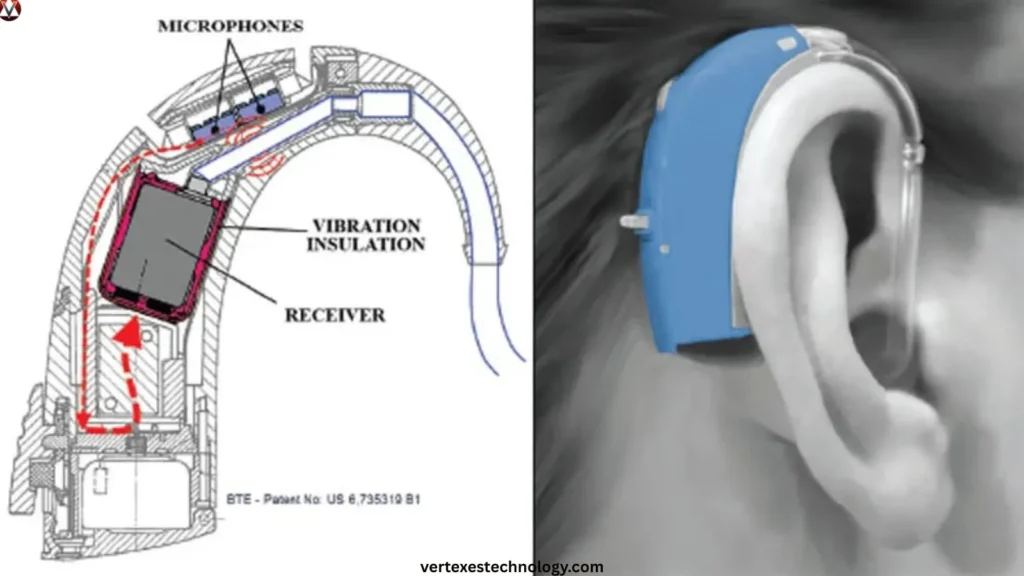
Behind the scenes cutting edge hearing aid technology operates like a pocket-sized sound laboratory. Tiny microphones capture surrounding audio. The signal travels through digital processors. These chips run AI signal processing models trained to identify speech patterns.
The device then reshapes frequencies based on the user’s hearing map. For example high pitches may receive extra amplification. Meanwhile background noise drops away. Finally the refined signal travels to a miniature speaker inside the ear.
Core processing steps
- Sound capture through directional microphones
- Digital analysis using audio processing software
- Noise classification using machine learning models
- Personalized frequency adjustment
- Playback through precision speaker drivers
Think of it like a photographer adjusting light and contrast before showing a perfect image.
Key Features of Cutting Edge Hearing Aid Technology
Modern devices pack surprising intelligence. Engineers blend advanced hearing hardware with powerful audio AI software. As a result these small gadgets outperform bulky devices from the past.
Major innovations include
- Adaptive noise filtering – distinguishes speech from crowd noise
- AI environment learning – remembers favorite sound environments
- Bluetooth connectivity – streams calls and music directly
- Automatic sound balancing – adjusts volume instantly
- Health tracking sensors – monitor steps and activity
Many premium models even integrate smartphone apps. Users adjust settings with a tap. That level of control once required a clinic visit.
Benefits of Cutting Edge Hearing Aid Technology
Clear hearing transforms daily life. However the real value extends beyond simple amplification. Cutting edge hearing aid technology restores communication confidence and cognitive engagement.
Major benefits include
- Improved speech clarity in noisy places
- Reduced listening fatigue
- Seamless phone and media streaming
- Personalized sound tuning
- Enhanced awareness of surroundings
For example an elderly teacher once avoided restaurants because noise overwhelmed her. After upgrading to a modern AI device she joined family dinners again. That emotional shift shows how smart hearing technology impacts quality of life.
Real-World Applications of Cutting Edge Hearing Aid Technology
Healthcare clinics remain the primary setting for cutting edge hearing aid technology. However applications now extend far beyond basic hearing correction.
Practical uses include
| Application Area | How Technology Helps |
|---|---|
| Healthcare | Personalized hearing treatment |
| Education | Students hear lectures clearly |
| Workplace | Improved meeting participation |
| Smart homes | Voice assistant integration |
| Fitness tracking | Built-in motion sensors |
For example some models connect with smart home ecosystems. A doorbell rings. The hearing aid delivers a clear audio alert. That small detail improves independence dramatically.
Advantages and Disadvantages
Every innovation carries trade-offs. While cutting edge hearing aids technology offers remarkable benefits some challenges remain.
Advantages
- Exceptional sound clarity
- AI-based noise reduction
- Wireless connectivity
- Personalized hearing profiles
- Discreet modern designs
Disadvantages
- Higher cost than basic hearing aids
- Requires battery charging
- Learning curve for new users
- Occasional software updates needed
However most users find advantages outweigh drawbacks quickly.
Is Cutting Edge Hearing Aid Technology Safe and Secure?
Security matters because modern devices include wireless connectivity and embedded software systems. Manufacturers now integrate cybersecurity protection to safeguard audio data and device communication.
Most premium models use encrypted Bluetooth channels. Firmware updates strengthen protection against digital vulnerabilities. Furthermore personal hearing profiles remain stored locally inside the device rather than cloud servers.
From a medical standpoint the hardware follows strict safety standards set by organizations like the FDA and World Health Organization. As a result modern hearing aids remain both technologically advanced and medically reliable.
Cutting Edge Hearing Aid Technology vs Traditional Hearing Aids
A comparison reveals how dramatically hearing devices evolved.
| Feature | Modern Technology | Traditional Hearing Aids |
|---|---|---|
| Sound Processing | AI powered | Basic amplification |
| Noise Reduction | Advanced filtering | Limited filtering |
| Connectivity | Bluetooth streaming | Rare |
| Customization | Smartphone apps | Manual adjustment |
| Learning Ability | Machine learning | None |
Traditional models behave like loudspeakers. Meanwhile cutting edge hearing aids technology acts like an intelligent sound assistant.
Future of Cutting Edge Hearing Aid Technology
Innovation accelerates rapidly. Researchers explore neural sound processing, brain-computer interfaces, and adaptive AI hearing systems. These developments could allow devices to interpret speech intention instead of only sound waves.
Another frontier involves health monitoring sensors embedded inside hearing aids. Scientists already test heart-rate tracking and fall detection features. Soon hearing devices may function as miniature health hubs.
Additionally cloud-based hearing software platforms could personalize audio in real time. Imagine entering a stadium. Your device downloads optimized sound settings instantly.
Common Problems and Solutions
Even advanced devices occasionally face small hurdles. Fortunately simple solutions usually restore performance.
Common issues
- Weak sound output
- Bluetooth connection problems
- Background noise spikes
- Battery draining quickly
Quick fixes
- Clean microphone ports carefully
- Restart the smartphone connection
- Update device firmware
- Replace or recharge batteries regularly
Audiologists often compare hearing aids to eyeglasses. Small adjustments make a big difference.
FAQs
What makes cutting edge hearing aids technology different?
It uses AI sound processing and adaptive microphones to improve speech clarity.
Do modern hearing aids connect to smartphones?
Yes. Many devices stream calls and music through Bluetooth apps.
Are AI hearing aids expensive?
Prices vary widely. Premium models cost more due to advanced hardware and software.
Can hearing aids reduce background noise?
Yes. Intelligent noise filtering separates voices from environmental sound.
How long do modern hearing aid batteries last?
Rechargeable models typically last 18–30 hours per charge.
Do hearing aids improve brain health?
Studies suggest improved hearing may support cognitive engagement.
Final Verdict
Sound shapes human connection. Losing it feels like watching life through foggy glass. Fortunately cutting edge hearing aid technology clears that fog with remarkable precision.
Smart sensors listen constantly. AI algorithms reshape sound instantly. Elegant hardware hides powerful computing inside a tiny shell. Together these innovations restore conversations, confidence, and independence.
As technology evolves hearing devices will become smarter, smaller, and more personalized. For millions living with hearing loss that future sounds wonderfully clear.