
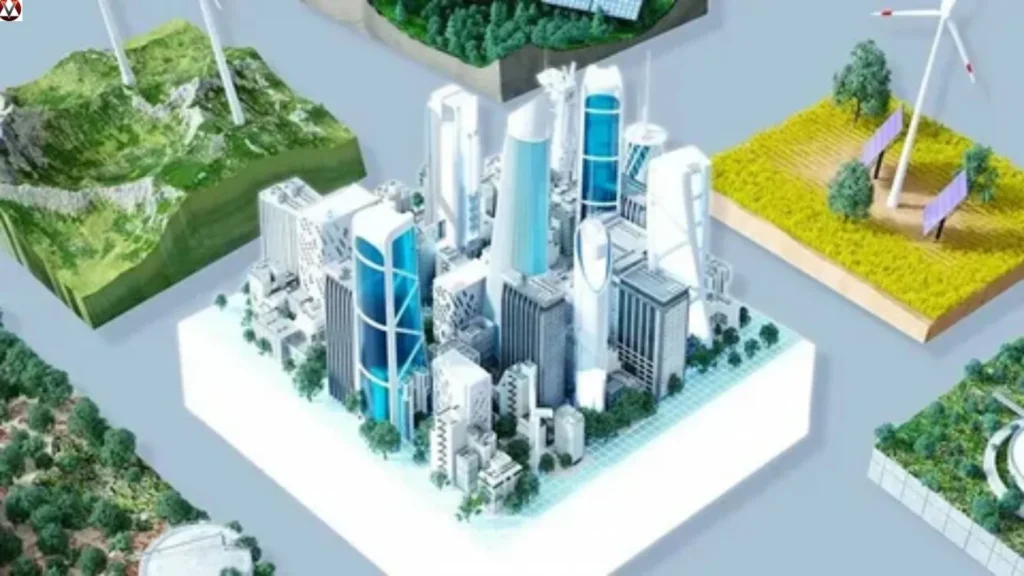
Imagine a world where rising temperatures no longer dictate our future. Climate technology is emerging as a game-changer, offering innovative solutions to combat environmental crises. From smart energy grids to AI-driven climate models, these tools redefine how humans interact with the planet, balancing progress with sustainability.
RELATED: Sound and Audio Technology
What is Climate Technology?
Climates technology refers to tools, systems, and innovations designed to mitigate environmental impact and adapt to climate change. It includes software, hardware, and AI solutions that monitor emissions, improve energy efficiency, and predict extreme weather events. Essentially, it bridges innovation with ecological responsibility.
How Does Climate Technology Work?
These systems rely on data analytics, AI, and sensor networks to track environmental changes. For example, smart grids optimize electricity distribution, reducing wastage, while AI models predict carbon footprints. Together, these technologies turn raw environmental data into actionable strategies, ensuring informed decision-making for governments and corporations alike.
Climate Technology examples
Smart Grids
Advanced electricity networks that balance energy supply and demand, integrate renewable sources, and reduce carbon emissions. They use AI and IoT sensors to optimize power distribution efficiently.
Carbon Capture and Storage (CCS)
Technology that traps CO₂ from industrial emissions and stores it underground or repurposes it, helping reduce greenhouse gases significantly.
Precision Agriculture
Uses drones, soil sensors, and AI to optimize water, fertilizer, and pesticide use, lowering environmental impact while boosting crop yields.
Electric and Hydrogen Vehicles
EVs and hydrogen-powered transport reduce reliance on fossil fuels, cutting carbon emissions and air pollution in urban areas.
Climate Modeling Software
AI-powered systems analyze massive climate datasets to predict extreme weather events, inform policy decisions, and guide disaster preparedness strategies.
Key Features of Climates Technology
- Real-time monitoring: Sensors track emissions instantly.
- AI-powered analytics: Predicts climate risks accurately.
- Renewable integration: Connects solar, wind, and storage systems.
- Automation: Reduces human error and resource wastage.
- Scalability: Adaptable for cities, industries, and households.
These features make climates technology versatile and effective in combating modern environmental challenges.
Benefits of Climate Technology
Benefits:
- Cuts greenhouse gas emissions effectively.
- Improves energy efficiency in industries and homes.
- Enables data-driven climate policies.
- Enhances disaster preparedness and resilience.
Businesses also gain cost savings while contributing to sustainable development, making it both ethical and profitable.
Real-World Applications of Climate Technology
From urban centers to agriculture, climate tech is everywhere:
- Smart cities use IoT sensors to reduce electricity consumption.
- Precision farming monitors soil and water use to prevent waste.
- Renewable energy plants employ predictive maintenance for optimal performance.
These real-world implementations demonstrate how technology tangibly impacts climate mitigation.
Advantages and Disadvantages
| Advantages | Disadvantages |
|---|---|
| Reduces emissions significantly | High upfront costs |
| Enhances energy efficiency | Requires skilled workforce |
| Supports policy and planning | Complex integration with legacy systems |
| Promotes innovation | Data privacy concerns |
Understanding both sides helps stakeholders make informed adoption choices.
Is Climate Technology Safe and Secure?
Security is crucial. AI and IoT-based climate solutions must protect sensitive data from cyberattacks. Advanced encryption, cloud security, and continuous monitoring safeguard systems. Proper protocols ensure not only environmental impact reduction but also data integrity and operational safety.
Climate Technology vs Traditional Methods
Traditional climate solutions rely on manual monitoring, paper-based reporting, or fixed infrastructure. Climates technology, in contrast:
- Provides real-time analytics instead of delayed insights.
- Uses AI-driven automation over manual labor.
- Integrates diverse energy sources seamlessly.
In short, tech-enabled solutions are faster, smarter, and more adaptable.
Future of Climate Technology
The horizon promises AI-enhanced climate models, decentralized energy systems, and fully automated sustainability platforms. As software and hardware innovation accelerates, climates technology will transform cities, industries, and households into low-carbon, resilient ecosystems that respond dynamically to environmental challenges.
Common Problems and Solutions of Climate Technology
- High cost → Solution: government incentives and private investment.
- Data integration issues → Solution: standardized protocols and cloud platforms.
- Cybersecurity risks → Solution: multi-layered security frameworks.
- Skill gaps → Solution: training programs and AI-assisted management tools.
These solutions ensure technology adoption remains smooth and impactful.
FAQs
- What is climate technology?
It’s technology that monitors, reduces, and adapts to environmental changes. - How does it reduce emissions?
Through AI, automation, and smart energy systems that optimize resource use. - Is climate technology expensive?
Initial costs can be high, but long-term savings and incentives offset them. - Can it predict climate disasters?
Yes, AI models analyze data to forecast storms, floods, and heatwaves. - Does it require specialized skills?
Some tools need trained operators, but many include user-friendly AI automation. - Can businesses benefit financially?
Yes, it reduces energy costs, enhances efficiency, and improves brand reputation. - Is it secure?
Advanced encryption and monitoring protect data from cyber threats.
Final Verdict
Climate technology is no longer optional—it’s essential for a sustainable future. With AI-driven insights, renewable integration, and automation, it empowers governments, businesses, and individuals to combat climate change effectively. Embracing these innovations ensures resilience, profitability, and a healthier planet for generations to come.