
Have you ever stopped and asked yourself, is paper technology or just a simple everyday item? We use paper for writing, printing, packaging, and even art. But behind this common material lies a smart process built on science and innovation.
Many people think technology only means computers, apps, or machines. However, technology is much broader. It includes any method or system humans use to solve problems—and paper fits right into that definition.
Table of Contents
- What Does Technology Mean?
- Is Paper Technology? (Quick Answer)
- The History of Paper Technology
- How Paper Is Made (Step-by-Step)
- Types of Papers Technology
- Real-Life Uses of Papers Technology
- Paper vs Digital Technology
- Pros and Cons of Paper Technology
- Future of Paper Technology
- FAQs
- Conclusion
What Does Technology Mean?
Technology is any tool, system, or method used to solve problems or make life easier. It doesn’t have to be digital.
Examples of Technology:
- A wheel (transportation solution)
- A book (information storage)
- A pencil (writing tool)
- Paper (communication medium)
So, technology includes both simple and advanced inventions.
Is Paper Technology?
Yes, papers is a form of technology.
It is created using scientific processes to turn raw materials like wood pulp into usable sheets. Paper helps humans communicate, store knowledge, and package goods efficiently.
In simple words:
👉 Paper is a traditional but powerful technology that supports modern life.
The History of Paper Technology
Paper has a long and interesting history.
Early Beginnings
- Paper was invented in ancient China around 105 AD.
- People made early paper from plants, cloth, and tree bark.
Spread Around the World
- It moved to the Middle East and then Europe.
- Printing presses increased the demand for paper.
Modern Development
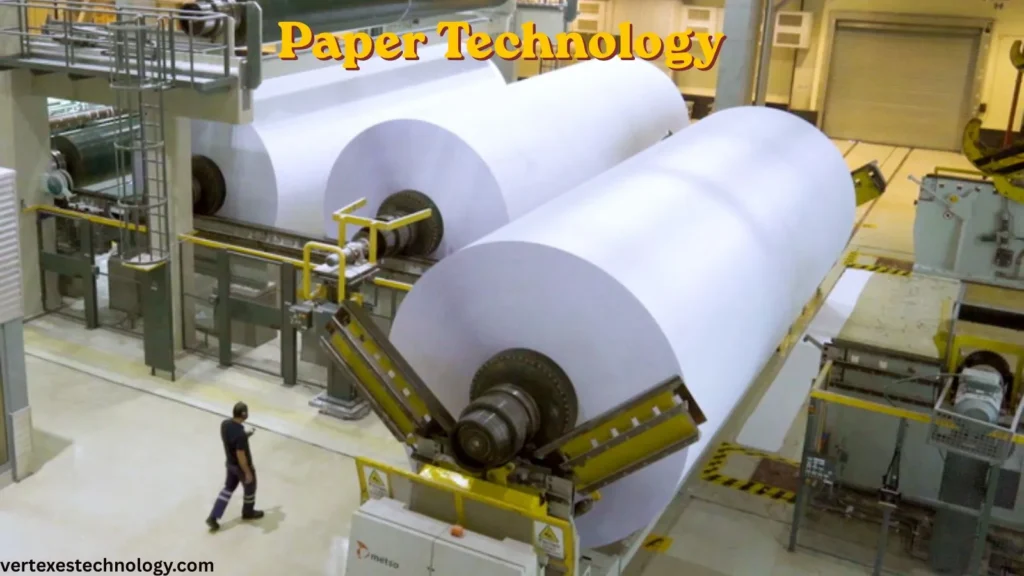
- Today, machines produce paper quickly and in large quantities.
- Recycling and eco-friendly methods are now part of papers technology.
How Paper Is Made
Paper production is a great example of applied technology.
1. Raw Material Collection
- Wood from trees is the main source.
- Recycled paper is also used.
2. Pulping Process
- Wood is broken down into fibers (pulp).
- Chemicals or mechanical methods are used.
3. Cleaning and Refining
- Workers clean the pulp to remove dirt.
- Fibers are improved for strength.
4. Sheet Formation
- The pulp is spread on a screen.
- Water drains, leaving thin sheets.
5. Pressing and Drying
- Sheets are pressed and dried using heat.
6. Finishing
- Paper is cut, rolled, or coated for different uses.
👉 This entire process shows how paper is clearly a technological product.
Types of Papers Technology
Paper is not just one thing. Different types serve different needs.
1. Printing Paper
- Used for books, documents, and newspapers
2. Packaging Paper
- Cardboard boxes, cartons, and wrapping materials
3. Specialty Paper
- Thermal paper (receipts)
- Filter paper (labs, coffee)
- Glossy paper (magazines)
4. Recycled Paper
- Made from used paper
- Supports eco-friendly practices
Real-Life Uses of Papers Technology
Papers technology plays a big role in daily life.
Common Uses:
- 📚 Education (books, notebooks)
- 🧾 Business (receipts, reports)
- 📦 Packaging (boxes, bags)
- 🎨 Art and crafts
- 🧻 Hygiene products (tissues, paper towels)
Example:
A student uses notebooks for studying, while a business uses packaging paper to deliver products safely. Both depend on papers technology.
Paper vs Digital Technology
Let’s compare paper with digital tools.
| Feature | Paper Technology | Digital Technology |
|---|---|---|
| Accessibility | Easy to use anywhere | Needs devices and power |
| Storage | Takes physical space | Stored digitally |
| Eco Impact | Can cause deforestation | Uses electricity and e-waste |
| Durability | Can tear or fade | Can be backed up |
| User Experience | Simple and distraction-free | Interactive and fast |
👉 Both have advantages. Paper is still useful even in a digital world.
Pros and Cons of Papers Technology
✅ Pros:
- Easy to use
- No electricity needed
- Affordable
- Great for reading and writing
- Biodegradable (eco-friendly if managed well)
❌ Cons:
- Can lead to deforestation
- Not reusable many times
- Takes storage space
- Can damaged easily
Future of Papers Technology
Paper is not going away anytime soon.
Trends in Papers Technology:
- ♻️ More recycling methods
- 🌱 Eco-friendly production
- 📦 Smart packaging solutions
- 🧪 Innovative materials (like water-resistant paper)
Even in 2026 and beyond, papers technology continues to evolve.
FAQs
1. Is paper considered modern technology?
Yes, even though it is old, paper uses modern processes and machines, making it a form of technology.
2. Why is paper important in technology?
Paper helps store and share information, which is a key part of any technological system.
3. Is paper better than digital technology?
It depends on the use. Paper is simple and reliable, while digital is faster and more flexible.
4. How does paper technology affect the environment?
It can harm forests, but recycling and eco-friendly methods reduce its impact.
Conclusion
So, is papers technology? The answer is a clear yes.
Paper may look simple, but it is built on smart processes and plays a huge role in our daily lives. From education to packaging, it remains a powerful tool even in the digital age.
The key is to use paper wisely. Choose recycled options, avoid waste, and support eco-friendly practices. That way, we can enjoy the benefits of papers technology while protecting our planet.
👉 Final advice: Don’t underestimate simple things—sometimes the most basic tools are the most powerful.