
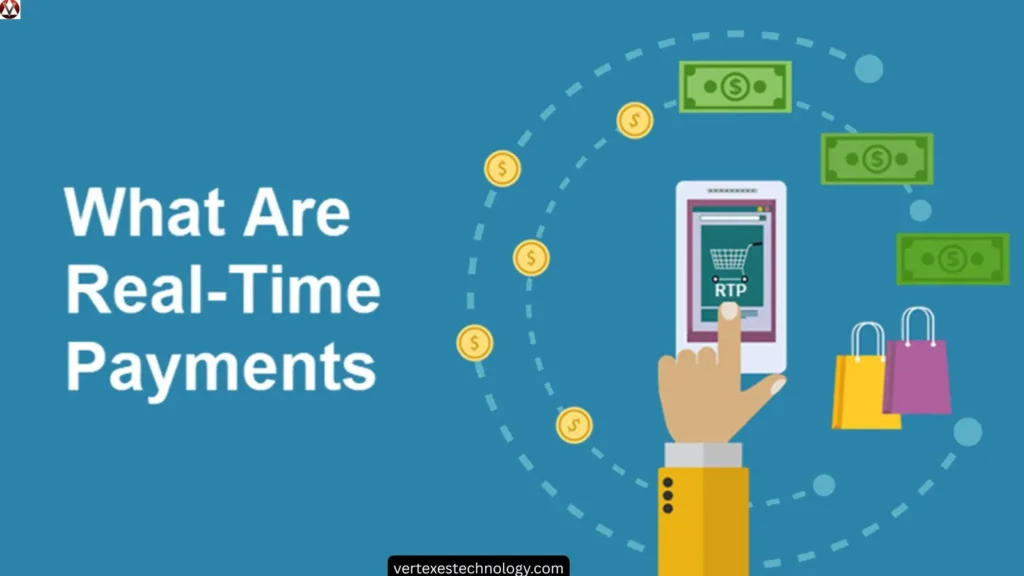
In today’s fast-paced financial world, Real-Time Payment Tracking Technology has become essential for banks and businesses in the USA. This innovation ensures end-to-end payment visibility, allowing institutions to monitor the full transaction lifecycle from initiation to settlement. With payment flow tracking, banks gain live transaction status tracking and can spot issues instantly, enhancing banking transaction transparency.
Modern systems integrate core banking infrastructure with settlement tracking systems, enabling regulatory reporting automation and fraud detection monitoring. By combining payment operations management with enterprise payment intelligence, financial institutions can achieve operational resilience in banking, reduce delays, and strengthen customer trust.
How Real-Time Payment Tracking Technology Works
Modern banks implement real-time payment monitoring using a combination of payment flow tracking tools and enterprise payment intelligence platforms. Transactions are captured as soon as they are initiated, allowing message-level payment drill-down and proactive incident detection. This creates end-to-end payment observability platforms that give banks complete visibility across the transaction lifecycle management.
The technology relies on digital payment infrastructure, integrating with core banking systems to provide real-time anomaly detection. Each step, from initiation to settlement, is tracked with payment data integrity verification, and all sanctions and compliance checkpoints are continuously monitored. This approach replaces batch vs real-time monitoring systems, enabling faster resolution of issues and reduced operational risk.
The Real-Time Payment Process Step-by-Step
Payments start when a sender initiates a transaction via a bank portal or mobile app. The payment data enters a real-time data ingestion pipeline, where fraud monitoring checkpoints and sanctions screening workflows validate it instantly. Once cleared, the payment is routed through the RTP network, reaching the recipient in seconds while updating enterprise banking dashboards.
From Initiation to Settlement in Seconds
Settlement occurs in real time across the payment processing infrastructure, offering real-time settlement visibility. The system automatically logs audit-ready payment documentation and supports regulatory reporting automation, eliminating manual reconciliation delays and improving mean time to resolution (MTTR) reduction for operational issues.
How Banks Track Payment Status in Real Time
Banks monitor every payment step using payment rail monitoring and banking data observability tools. Transaction audit trails record status updates, anomalies, and exceptions. Financial institutions can perform payment delay root cause analysis and generate compliance-ready transaction logs, enhancing transparency and digital transformation in banking operations.
What Is the Real-Time Payment Tracking Technology Network?
The RTP network is a modern digital payment infrastructure that enables 24/7/365 processing. It uses ISO 20022 compliance messaging standards, ensuring interoperability with other banking systems. The network allows instant payment flow intelligence layers and supports cross-border payment transparency for international transactions.
Banks leverage settlement tracking systems and enterprise payment intelligence platforms within the Real-Time Payment Tracking Technology network. By combining financial transaction monitoring systems with banking operational efficiency tools, institutions achieve end-to-end payment observability platforms capable of real-time payment operations management and monitoring customer payment inquiry reduction.
Real-Time Payment Tracking Technology Examples Across Industries
Real-time payments are widely used in payroll, where employees receive instant salary deposits, improving banking transaction transparency and satisfaction. E-commerce platforms leverage real-time anomaly detection for refunds, ensuring customers see immediate credit, while insurance companies deploy the system for rapid claims payouts.
Government disbursements, P2P transfers, and emergency relief payments all rely on payment operations automation. Companies can integrate RegTech payment solutions to maintain compliance-ready transaction logs and improve operational resilience in banking, reducing inbound payment investigation calls.
Real-Time Payments vs ACH, Wire, and Other Payment Methods
Real-Time Payment Tracking Technology vs ACH: Real-time payments complete instantly, while ACH batches may take hours or days, resulting in data lake limitations in banking.
RTP vs Wire Transfer: Wire transfers offer high security but slower settlement; RTP ensures full transaction lifecycle visibility with immediate confirmation.
Real-Time Payments vs RTGS: RTGS is often limited to high-value domestic payments. RTP provides instant transfers across most accounts.
RTP vs Same-Day Payments: Same-day methods still involve batch processing, while RTP supports live transaction status tracking.
Real-Time Payments vs Immediate Payments: Immediate payments in other regions mirror RTP but may lack enterprise banking dashboards and payment SLA monitoring features.
Real-Time Payment Fees and Cost Structure
RTP may involve a real-time payment fee, which banks either pass to the customer or absorb. Operational costs are reduced due to payment operations automation, but hidden costs can include monitoring exceptions and compliance logging. Comparing ACH and wire, RTP reduces delays and supports regulatory audit preparation.
Benefits and Challenges of Real-Time Payments
Advantages of Real-Time Payment Systems include faster cash flow, fewer inquiries, banking operational efficiency, and enhanced transparency through enterprise banking dashboards. Institutions see customer payment inquiry reduction and streamlined payment analytics platforms for decision-making.
Risks and Limitations include irreversibility, liquidity management concerns, and increased exposure to fraud monitoring checkpoints. Banks must integrate operational risk management in banking and maintain banking system interoperability to prevent errors.
Real-Time Payment Transparency and Transaction Observability for Banks
End-to-end payment flow visibility allows banks to monitor every payment in the transaction lifecycle management, improving payment investigation tools and regulatory reporting automation.
Monitoring Sanctions, Fraud, and Compliance in Real Time ensures fraud detection monitoring and sanctions screening workflow is enforced automatically, reducing operational burden.
Reducing “Where Is My Payment?” Inquiries is achieved through customer payment tracking portals and actionable payment intelligence, cutting inbound payment investigation calls significantly.
Fraud Risks and Security in Real-Time Payment Tracking Technology
Real-time systems face money mule risk and operational threats. Using RegTech payment solutions and fraud detection monitoring, banks maintain operational resilience in banking. App protection, anomaly alerts, and banking operational efficiency tools reduce exposure and enhance security.
The Future of Real-Time Payment Tracking Technology
AI-driven monitoring and ISO 20022 compliance expansion will drive enterprise payment intelligence further. Cross-border instant payments and banking system interoperability will grow. Emerging payment observability platforms will integrate with open banking, creating end-to-end payment observability platforms that provide actionable insights and real-time monitoring across global transactions.
FAQs
What is PSO and PSP?
A PSO (Payment System Operator) manages the infrastructure of a payment system, while a PSP (Payment Service Provider) offers payment services to merchants or customers using that system.
What is a real-time payment system?
A real-time payment system allows funds to be sent and received instantly, providing immediate confirmation and live transaction status tracking.
How is RTP different than ACH?
RTP (Real-Time Payments) settle instantly, while ACH processes transactions in batches that can take hours or days to complete.
Is GPay a PSP or TPAP?
GPay (Google Pay) is a PSP (Payment Service Provider) that facilitates payments through multiple payment rails.
What are some common RTP applications?
Common applications include payroll disbursements, P2P transfers, insurance payouts, e-commerce refunds, and government payments.
What are the 4 types of digital money?
The four types are central bank digital currency (CBDC), cryptocurrencies, stablecoins, and electronic money (e-money).
Which is better, UPI or CBDC?
UPI is ideal for instant payments in India, while CBDC provides state-backed digital currency security; the choice depends on use case and regulatory context.
What is Elon Musk’s favorite digital coin?
Elon Musk has publicly favored Dogecoin for its popularity and community-driven approach.
Is digital cash legal?
Yes, digital cash is legal where regulated by law, such as CBDCs, stablecoins, and licensed e-money platforms.
Final Thoughts
Real-Time Payment Tracking Technology is revolutionizing how banks and businesses manage transactions. By offering end-to-end payment visibility and live transaction status tracking, it reduces delays, improves operational resilience in banking, and strengthens fraud detection monitoring. Moreover, with core banking integration and payment flow tracking, institutions gain actionable insights that enhance payment operations management and customer payment tracking portals. As adoption grows, digital transformation in banking operations becomes inevitable, providing faster settlements, stronger compliance, and higher trust. Ultimately, real-time payment monitoring is no longer optional but a critical component of modern financial infrastructure.