
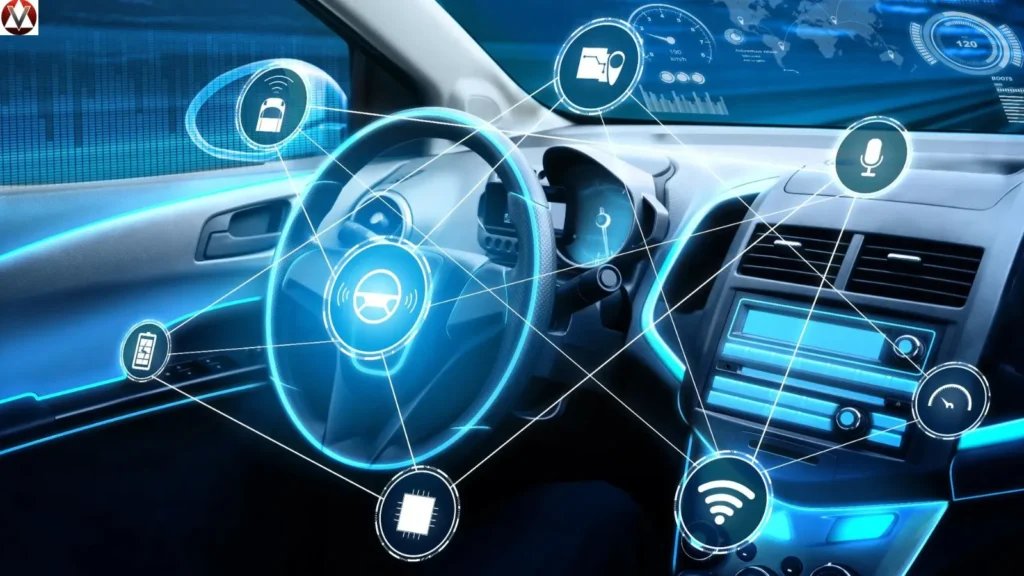
ADAS and Autonomous Vehicle Technology is changing how Americans drive every day. Cars are no longer simple machines.
They now think, observe, and react. Thanks to advanced driver assistance systems ADAS, vehicles can prevent crashes before they happen. This shift is not science fiction. It is real, practical, and already on U.S. roads.
In fact, many drivers already use vehicle safety technology without noticing it. Features like adaptive cruise control system and lane keeping assist system quietly protect families on highways. Meanwhile, engineers continue improving autonomous driving technology to reduce human error. As a result, roads are becoming safer and smarter.
|See also: Ftasiastock technology
What is ADAS and Autonomous Vehicle Technology?
ADAS and Autonomous Vehicle Technology refers to smart systems that help or replace drivers. ADAS assists with braking and steering, while autonomous vehicles use AI, sensors, and software to drive independently with minimal or no human control.
Difference Between ADAS and Autonomous Vehicle Technology
The difference is clear once you understand automation levels. Level 0 means no automation. Level 5 means full autonomy. Most U.S. vehicles today operate between Level 1 and Level 3 using semi autonomous driving systems. These systems include assisted driving technology such as steering support and braking help. However, the driver must remain alert at all times.
In contrast, higher automation levels rely heavily on car automation technology and advanced automotive control systems. A good example is a self-driving taxi that navigates city streets alone. While vehicle driver assistance features support humans, autonomous systems replace them in certain conditions. Therefore, the line between assistance and automation depends on control and responsibility.
Automation Levels Overview
| Level | Description | Driver Role |
|---|---|---|
| 0 | No automation | Full control |
| 1 | Basic assistance | Hands on wheel |
| 2 | Partial automation | Monitor system |
| 3 | Conditional automation | Take over when asked |
| 4 | High automation | Limited human input |
| 5 | Full automation | No driver needed |
Key Components of ADAS and Autonomous Systems
At the heart of ADAS and Autonomous Vehicle Technology are powerful sensors and software. Automotive sensors technology includes radar, cameras, and LiDAR. Automotive radar sensors detect distance and speed. Meanwhile, vehicle camera systems read traffic signs and lane markings. In addition, lidar automotive technology builds a 3D map of surroundings. These tools enable accurate real time vehicle monitoring in complex traffic.
However, sensors alone are not enough. Vehicles also use automotive artificial intelligence and human machine interface vehicles to communicate with drivers. AI processes data instantly using computer vision in cars. At the same time, dashboards display alerts clearly. Furthermore, vehicle to vehicle communication and vehicle to infrastructure communication allow cars to share traffic updates. This network forms the base of modern intelligent transport systems.
ADAS and Autonomous Technology in Tesla and Other Leading Companies
Several companies lead innovation in ADAS and Autonomous Vehicle Technology. Tesla’s Autopilot uses advanced smart vehicle safety systems and continuous software updates. It integrates self driving car features with powerful AI chips. As a result, vehicles improve over time. Other U.S. companies invest heavily in automotive automation technology to compete in this growing market.
Meanwhile, traditional automakers are upgrading modern car safety features across their fleets. Brands now include driver safety assistance tools as standard equipment. For example, many SUVs offer road accident prevention technology that automatically brakes in emergencies. Therefore, competition pushes rapid progress in intelligent driving systems nationwide.
Major ADAS & Autonomous Vehicle Conferences and Expos 2026
Industry events accelerate growth in ADAS and Autonomous Vehicle Technology. U.S. expos showcase new automotive driver assistance technology and AI breakthroughs. Engineers discuss the future of advanced driver assistance systems in real-world deployment. These gatherings also address cybersecurity and safety regulations.
Moreover, conferences highlight partnerships between startups and global brands. Experts present ADAS safety features explained through live demos. They share case studies on ADAS technology in cars used for delivery fleets. As a result, knowledge spreads quickly across the mobility ecosystem.
How V2X Communication Supports Autonomous Vehicle Development
Communication is critical for safe automation. Vehicle to vehicle communication allows cars to warn each other about sudden braking. Meanwhile, vehicle to infrastructure communication connects vehicles to traffic lights and road sensors. This cooperation improves timing and reduces congestion. Consequently, cities become safer and more efficient.
For example, smart intersections use intelligent mobility technology to manage traffic flow. Vehicles adjust speed automatically using automotive control systems. Therefore, accidents decrease and fuel efficiency improves. This digital conversation supports large-scale vehicle safety automation across the United States.
Real-World Applications and Industry Case Studies
Real deployment proves the value of ADAS and Autonomous Vehicle Technology. Delivery companies use autonomous vans for last-mile services. These vans rely on semi autonomous driving combined with automotive driver support tools. As a result, logistics becomes faster and more reliable.
Ride-sharing platforms also test self-driving fleets. These vehicles integrate vehicle safety automation and advanced car safety systems to protect passengers. Case studies show reduced accident rates compared to human-only fleets. Therefore, businesses see both economic and safety benefits.
Benefits and Challenges of ADAS and Autonomous Vehicles
The benefits are powerful. Studies from the National Highway Traffic Safety Administration show that over 90 percent of crashes involve human error. Therefore, how ADAS improves road safety becomes clear. Systems like automatic emergency braking and collision avoidance system respond faster than humans. Consequently, injuries and fatalities decline.
However, challenges remain. Data privacy concerns grow as cars collect driving data. Cybersecurity risks must be managed carefully. In addition, legal frameworks differ by state. Despite this, the benefits of advanced driver assistance systems outweigh obstacles for most drivers.
Future of Autonomous Vehicles in USA and Globally (2026 & Beyond)
The future looks promising. Analysts predict rapid expansion of ADAS features in modern cars by 2030. More vehicles will adopt advanced automotive safety features as standard. Meanwhile, improvements in AI chips will enhance decision-making speed. Therefore, reliability will increase dramatically.
Smart cities will integrate intelligent transport systems with connected fleets. Urban planners will use traffic data for better road design. As a result, the future of advanced driver assistance systems aligns closely with national infrastructure development goals.
Why ADAS and Autonomous Vehicle Technology Matters Today
ADAS and Autonomous Vehicle Technology matters because it saves lives. It transforms traditional vehicles into intelligent partners. By combining smart car technology with automotive automation technology, manufacturers create safer roads. This transformation also generates jobs in AI and engineering.
Furthermore, it reshapes the automotive economy. Software now defines value more than engines. Therefore, innovation moves from hardware to code. In short, this technology drives the next era of American mobility.
FAQs
What is the difference between ADAS and autonomous vehicles?
ADAS helps drivers with support features like braking or steering, while autonomous vehicles can drive themselves with little or no human control.
What happens if a cop pulls over a Waymo?
A Waymo vehicle safely pulls over automatically and connects the officer to remote support staff for communication.
What level of ADAS is Tesla self driving?
Tesla Full Self-Driving is considered Level 2, meaning it still requires active driver supervision.
What is ADAS autonomous?
ADAS autonomous refers to advanced driver assistance features that support driving tasks but do not provide full self-driving capability.
Which car has the best ADAS system?
Many experts rank Mercedes-Benz, Tesla, and BMW among the leaders in advanced ADAS technology.
Is Tesla Autopilot ADAS?
Yes, Tesla Autopilot is an ADAS system because it assists with steering, braking, and acceleration under supervision.
Which car has Level 5 ADAS?
No production car currently offers Level 5 full autonomy anywhere in the world.
Why is Tesla discontinuing Autopilot?
Tesla has not fully discontinued Autopilot but is shifting focus toward improving and rebranding its Full Self-Driving software.
What happens when you say “ho ho ho” in a Tesla?
In some older versions, saying “ho ho ho” activated a holiday Easter egg mode with festive visuals and sounds inside the car.
Final Thoughts
ADAS and Autonomous Vehicle Technology is not just about convenience. It is about safety, intelligence, and progress. As systems evolve, drivers gain stronger protection through automotive safety technology systems and AI-driven innovation. However, responsible regulation and cybersecurity remain essential. The United States stands at the center of this transformation. With continued investment and research, smarter roads will soon become the norm. Ultimately, this technology promises fewer accidents, better traffic flow, and a safer future for everyone on the road.