
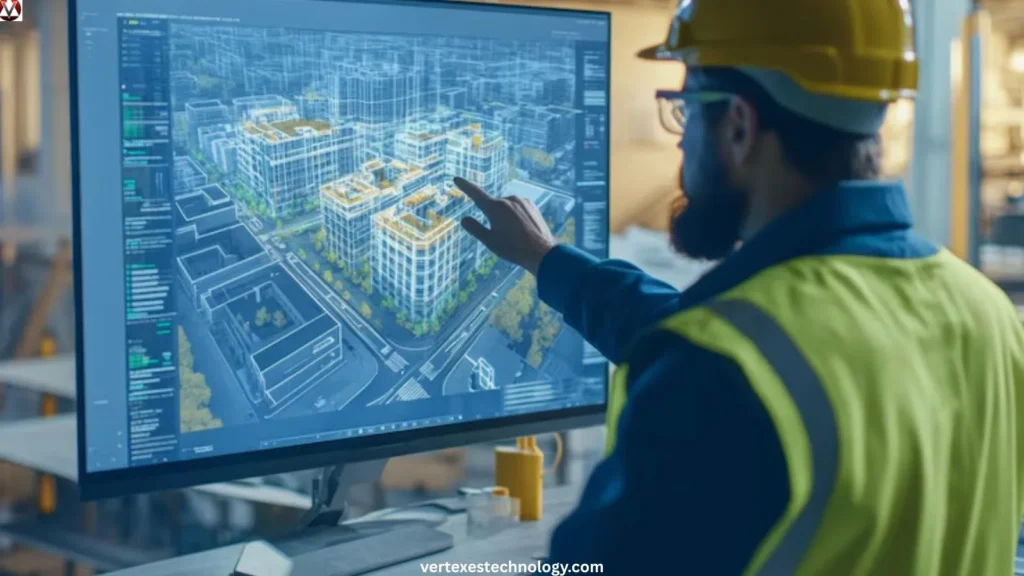
Imagine a world where bridges self-repair, roads detect cracks before they widen, and water systems seal leaks automatically. Infrastructure repair technology is transforming urban landscapes by merging AI, robotics, and sensor networks to monitor and maintain critical systems. Cities can now prevent disasters rather than react to them, saving time, money, and lives.
This technology leverages automation to streamline maintenance, while predictive analytics forecasts potential failures. Even large-scale utilities benefit, as systems once prone to wear now operate efficiently. Embracing these advancements means more resilient, sustainable, and smarter infrastructure for the future, keeping communities safer and services uninterrupted.
|See Also: Spray Technology for Packaging Industry
What is Infrastructure Repair Technology?
Understanding this technology opens a world where roads, bridges, and utilities regenerate with precision. Infrastructure Repair Technology refers to digital and mechanical systems that detect, diagnose, and mend structural wear. It blends AI analysis, robotics, and advanced sensors to automate fixes speedily and accurately.
How Does Infrastructure Repair Technology Work?
At its core, this tech watches infrastructure constantly. Sensors collect data; AI reviews stress patterns and anomalies in real time. Robots or automated systems then initiate repairs or alert human teams. The cycle loops, ensuring early detection and fast response to potential faults.
Key Features of Infrastructure Repair Technology
- Real‑time condition monitoring for continuous health checks.
- AI‑driven diagnostics that spot subtle failures early.
- Automated repair systems that cut downtime drastically.
- Integration with smart city networks for coordinated responses.
These features streamline maintenance while pushing innovation forward in urban operations.
Benefits of Infrastructure Repair Technology
Infrastructure teams gain foresight and speed with this technology. It slashes maintenance costs, improves public safety, and extends lifespan of assets. For example, bridges self‑adjust before cracks widen and roads patch themselves before potholes expand. Cities become more reliable and services more resilient.
Real‑World Applications of Infrastructure Repair Technology
Governments and private firms apply this tech everywhere.
- Highways get embedded sensors that detect cracks.
- Water systems auto‑seal leaks before waste grows.
- Railroads use AI to predict rail wear and repair rails overnight.
Such applications turn reactive fixes into proactive care.
Advantages and Disadvantages
Advantages:
- Faster fixes reduce interruption.
- Data‑driven insights prevent major failures.
- Can integrate with automation systems.
Disadvantages:
- High initial cost for installation.
- Requires skilled operators.
- Data privacy concerns with connected systems.
Understanding both sides helps planners choose wisely.
Is Infrastructure Repair Technology Safe and Secure?
From a technical outlook, safety hinges on robust cybersecurity and fail‑safe designs. High‑grade encryption protects data coming from sensors. Redundant systems prevent repair robots from acting on false alarms. Still, engineers must guard against hacking and ensure safeguards keep public areas risk‑free during automated operations.
Infrastructure Repair Technology vs Infrastructure Maintenance Technology
| Feature | Infrastructure Repair Technology | Infrastructure Maintenance Technology |
|---|---|---|
| Focus | Fixing defects as they emerge | Routine upkeep and scheduled servicing |
| Approach | Automated, AI‑driven | Human‑led inspections and actions |
| Downtime | Minimal, reactive | Can be longer, planned |
| Cost Over Time | Lower through prevention | Higher due to recurrent checks |
In essence, repair technology reacts intelligently, while maintenance tech maintains regularly. Both matter but serve different operational minds.
Future of Infrastructures Repair Technology
Expect deeper integration with AI decision‑making, predictive analytics, and smart city command centers. Imagine drones sewing cracks in walls and nano‑coatings that reverse corrosion like living skin. Before long, cities could self‑heal and recalibrate continuously with minimal human input.
Common Problems and Solutions
Often, sensor networks misfire due to noise. Solution: use smarter filtering algorithms and redundancy loops. Another issue lies with robot mobility in rough terrain. Solution: design adaptive locomotion systems that tackle bumps, slopes, and tight spaces without stalling.
Frequently Asked Questions
Q1. What exactly is Infrastructure Repair Technology?
It refers to systems that spot and fix structural issues using advanced sensors, robotics, and AI.
Q2. How does this tech reduce maintenance costs?
By finding issues early and automating fixes, it avoids expensive emergency repairs.
Q3. Is it used worldwide already?
Yes; many cities deploy it for roads, bridges, water systems, and transit tracks.
Q4. Can small towns afford it?
Smaller installations scale down costs and gain tailored monitoring for key assets.
Q5. Does it replace human workers?
No; it supports teams, making work safer and more efficient.
Q6. Is the technology reliable in harsh weather?
Sensors and machines built for tough conditions stay accurate in heat, cold, and rain.
Q7. What skills do workers need for these systems?
Technicians learn AI interpretation, robotic guidance, and system troubleshooting.
Conclusion
Infrastructure Repair Technology transforms how cities preserve essential systems. It cuts costs, boosts safety, and shifts maintenance from reactive to proactive. While challenges remain, its blending of automation, AI, and robotics makes urban spaces stronger and more resilient for the long run. Choosing this tech means stepping into a future where structures not only stand tall but heal swiftly when harm appears.