
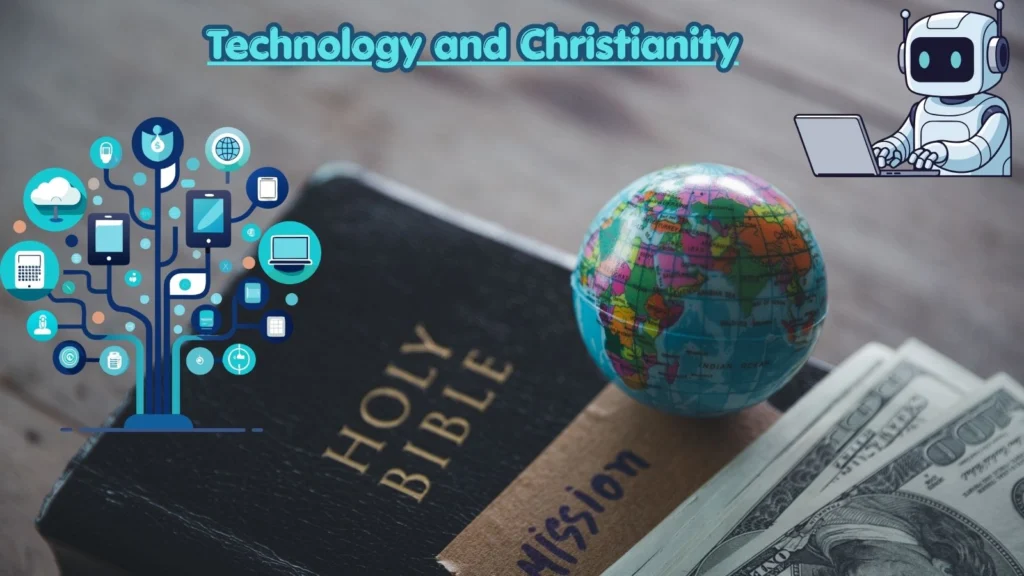
Can Christians fully embrace technology without harming their faith? This question has become more important than ever. From smartphones and artificial intelligence to online church services and Bible apps, technology is now part of everyday life. It helps us communicate, learn, work, and even worship. However, it also brings challenges such as distractions, misinformation, and too much screen time.
The relationship between technology and Christianity is not about choosing one over the other. Instead, it is about using modern tools in ways that honor God and serve others. Technology itself is neither good nor bad. The way people use it makes the difference.
This guide explains how Christianity views technology, what the Bible teaches about wisdom and innovation, and how believers can use digital tools responsibly. Whether you are a student, parent, church leader, or simply curious, this article will help you understand how faith and technology can work together.
RELATED: Technologia Meme Explained– The Viral Internet Trend
Table of Contents
- What Is Technology and Christianity?
- What Does the Bible Say About Technology?
- Why Technology Matters in Christian Life
- How Churches Use Technology Today
- Real-Life Examples of Technology and Christianity
- Technology and Christianity vs. Misuse of Technology
What Is Technology and Christianity?
Technology and Christianity refers to the relationship between modern technology and the Christian faith. It explores how believers can use digital tools while staying true to biblical values.
Technology includes many things, such as:
- Smartphones
- Computers
- The internet
- Artificial intelligence (AI)
- Social media
- Video streaming
- Mobile apps
Christianity teaches people to love God and care for others. Therefore, technology should support these goals instead of replacing them.
Quick Answer
Technology is a tool. Christianity encourages believers to use every tool wisely, honestly, and lovingly for God’s glory and the benefit of others.
What Does the Bible Say About Technology?
The Bible does not mention smartphones, computers, or artificial intelligence because these inventions did not exist during biblical times. Even so, Scripture provides timeless principles that guide how Christians should use every tool.
God Gave People Creativity
Humans have always invented useful tools. Christians believe God created people with intelligence, creativity, and problem-solving skills.
People have built homes, ships, roads, musical instruments, and farming tools throughout history. Modern technology continues this pattern of human creativity.
Use Wisdom in Everything
The Bible encourages believers to make wise choices in every part of life. That includes technology.
Before using any new device or platform, Christians can ask simple questions like:
- Does this help me grow?
- Does this honor God?
- Does it help other people?
- Is it becoming an unhealthy habit?
These questions help believers use technology responsibly.
See also: HomeRocketRealty Timothy Williams
Avoid Idols and Distractions
Technology becomes harmful when it controls people’s lives.
For example:
- Spending hours scrolling through social media instead of spending time with family.
- Ignoring prayer because of constant phone notifications.
- Allowing online entertainment to replace meaningful relationships.
Christianity teaches balance and self-control.
Why Technology Matters in Christian Life
Technology has changed how Christians learn, worship, and connect with others.
Instead of replacing faith, it often creates new opportunities to grow spiritually.
1. Reading the Bible Anywhere
Bible apps make Scripture available almost everywhere.
People can:
- Read different Bible translations.
- Search verses quickly.
- Listen to audio Bibles.
- Create reading plans.
- Highlight favorite passages.
A person riding a bus or waiting for an appointment can spend a few minutes reading God’s Word.
2. Online Church Services
Many churches now stream worship services online.
This helps:
- Elderly members
- Sick individuals
- Travelers
- People living far from a church
- Families during emergencies
Although online worship does not fully replace gathering in person, it allows many people to stay connected with their church community.
3. Christian Learning Resources
The internet provides access to thousands of Christian learning materials.
Examples include:
- Bible studies
- Sermons
- Christian podcasts
- Online courses
- Worship music
- Devotional articles
People who live in remote areas can now learn from trusted teachers without leaving home.
4. Digital Evangelism
Technology allows Christians to share their faith with people around the world.
Common methods include:
- Posting encouraging Bible verses
- Creating Christian videos
- Writing faith-based blogs
- Sharing personal testimonies
- Hosting online Bible studies
A simple social media post can encourage someone who needs hope.
How Churches Use Technology Today
Modern churches use technology in many practical ways.
Live Streaming Worship
Churches broadcast services so members can join from anywhere.
This became especially important during health emergencies and continues to help many families today.
Presentation Screens
Many churches display:
- Song lyrics
- Bible verses
- Announcements
- Sermon points
This makes worship easier to follow.
Church Management Systems
Technology helps churches organize daily activities.
These systems can manage:
- Volunteer schedules
- Event registrations
- Donations
- Membership information
- Children’s ministry check-ins
This saves time and allows church leaders to focus more on serving people.
Communication
Churches also use:
- Email newsletters
- Messaging apps
- Websites
- Social media pages
These tools help members stay informed about upcoming events, prayer meetings, and community projects.
Real-Life Examples of Technology and Christianity
Technology becomes meaningful when it helps people live out their faith.
Example 1: Daily Devotions
Sarah begins each morning by reading a Bible app on her phone. She follows a yearly reading plan and listens to Scripture while driving to work.
Technology supports her spiritual routine rather than distracting her from it.
Example 2: Mission Work
A missionary uses video calls to teach Bible lessons to people living in another country.
Without modern technology, regular communication would be much harder.
Example 3: Helping Others
A church creates an online donation page after a natural disaster.
Within days, people from different cities contribute money to help affected families.
Technology makes generosity faster and more effective.
Example 4: Christian Education
Students attend online Bible classes from experienced teachers around the world.
They gain knowledge that may not be available in their local communities.
Technology and Christianity vs. Misuse of Technology
| Positive Use | Unhealthy Use |
|---|---|
| Reading the Bible online | Spending endless hours on social media |
| Watching church services | Ignoring family during screen time |
| Joining online prayer groups | Sharing harmful or false information |
| Learning biblical truth | Becoming addicted to entertainment |
| Supporting charities online | Using technology dishonestly |
The difference is not the technology itself—it is the purpose behind its use.
Key Takeaways
- Technology is a tool, not a replacement for faith.
- Christians can use digital tools to learn, worship, and serve others.
- The Bible teaches wisdom, self-control, and responsible living.
- Churches around the world benefit from modern technology.
- Healthy habits help believers enjoy technology without letting it control their lives.
Challenges of Technology and Christianity
Technology offers many benefits, but it also creates challenges for Christians. The goal is not to avoid technology but to use it with wisdom and self-control.
1. Digital Distractions
Phones, games, and social media can easily take up too much time. When people spend hours online, they may have less time for prayer, Bible reading, family, or serving others.
Helpful tip: Set daily screen-time limits and make time for God before checking your phone.
2. False Information
Not everything online is true. Some websites, videos, or social media posts may share incorrect teachings about Christianity.
Before accepting spiritual advice, ask these questions:
- Does it agree with the Bible?
- Is the source trustworthy?
- Does it encourage love, truth, and integrity?
3. Online Behavior
Christians should reflect their faith both offline and online.
Before posting or commenting, think about whether your words are:
- Kind
- Honest
- Respectful
- Helpful
The internet never forgets. A thoughtful response often has a greater impact than an angry one.
4. Privacy and Security
Technology allows people to connect easily, but it also requires caution.
Protect yourself by:
- Using strong passwords
- Avoiding suspicious links
- Being careful about sharing personal information
- Respecting other people’s privacy
Using technology wisely also means protecting yourself and others.
How Christians Can Use Technology Wisely
Technology becomes a blessing when it supports faith instead of replacing it.
Make God Your First Priority
Begin each day with prayer or Bible reading before opening social media or checking emails. This simple habit helps keep your focus on what matters most.
Choose Positive Content
Fill your digital life with content that encourages growth.
Examples include:
- Christian podcasts
- Worship music
- Bible study videos
- Faith-based books
- Educational resources
Use Technology to Help Others
Technology makes serving people easier than ever.
You can:
- Encourage friends with uplifting messages.
- Join online prayer groups.
- Share helpful Bible verses.
- Support charitable organizations.
- Volunteer your skills through online ministries.
Take Digital Breaks
Everyone benefits from stepping away from screens.
Consider having:
- Screen-free family meals
- Device-free prayer time
- One evening each week with limited technology
Small habits can improve both your spiritual and personal life.
Technology and Christianity: A Comparison
| Feature | Technology Used Wisely | Technology Used Poorly |
|---|---|---|
| Purpose | Glorifies God and helps others | Focuses only on self |
| Communication | Encourages and supports people | Spreads anger or misinformation |
| Learning | Builds biblical knowledge | Promotes confusion or unhealthy habits |
| Entertainment | Balanced and uplifting | Excessive and addictive |
| Time Management | Supports productivity | Wastes valuable time |
The same technology can produce different results depending on how people choose to use it.
Pros and Cons of Technology and Christianity
Pros
- Makes the Bible available anywhere.
- Connects Christians across the world.
- Supports online worship and Bible study.
- Helps churches reach more people.
- Improves communication during emergencies.
- Encourages global missions and charity work.
- Provides access to trusted Christian education.
Cons
- Can become addictive.
- Creates distractions from spiritual growth.
- Increases exposure to false teaching.
- May reduce face-to-face fellowship if overused.
- Raises concerns about privacy and online safety.
The key is balance. Technology should support faith, not control it.
The Future of Technology and Christianity
Technology continues to change rapidly, and churches are adapting in meaningful ways.
Artificial Intelligence
AI can help churches organize information, translate resources, and answer simple questions. However, Christians should remember that AI cannot replace prayer, wisdom, or genuine relationships.
Virtual Learning
More churches now offer online Bible studies, leadership training, and discipleship programs. These resources help people learn regardless of where they live.
Digital Mission Work
Mission organizations increasingly use websites, videos, podcasts, and social media to share the message of hope with people around the world.
Smart Church Tools
Many churches now use technology to:
- Manage volunteers
- Organize events
- Accept secure online donations
- Share announcements
- Stream worship services
As technology evolves, Christians will continue asking an important question:
“How can we use these tools to love God and serve others?”
That question matters more than the technology itself.
Frequently Asked Questions
1. Is technology against Christianity?
No. Christianity does not reject technology. Instead, it encourages believers to use every tool wisely, honestly, and in ways that honor God.
Learn More About Us:Technology Hacks TGArchiveGaming
2. Can Christians use social media?
Yes. Social media can strengthen relationships, encourage others, and share positive messages when used responsibly.
3. Does the Bible talk about modern technology?
The Bible does not mention today’s devices directly. However, it teaches timeless principles about wisdom, honesty, self-control, and loving others, which apply to technology.
4. How can churches benefit from technology?
Churches use technology to livestream services, teach Bible classes, communicate with members, organize events, and support mission work around the world.
5. What is the biggest challenge technology creates for Christians?
One of the biggest challenges is allowing technology to become a distraction. Maintaining healthy habits and putting God first helps keep technology in its proper place.
Conclusion
Technology has transformed the way people live, learn, work, and worship. For Christians, the question is not whether technology is good or bad. The real question is how it is used.
When guided by biblical values, technology becomes a powerful tool for sharing hope, learning God’s Word, helping others, and building stronger communities. At the same time, believers should remain aware of distractions, misinformation, and unhealthy habits that can weaken spiritual growth.
The best approach is balance. Use technology to strengthen your faith rather than replace it. Stay connected with your church, spend regular time in prayer and Scripture, and let every digital tool support your relationship with God instead of competing with it.
As new innovations continue to appear, the timeless principles of Christianity remain the same. Wisdom, love, honesty, and compassion should guide every click, post, and conversation. When faith leads the way, technology can become a valuable instrument for making a positive difference in the world.