
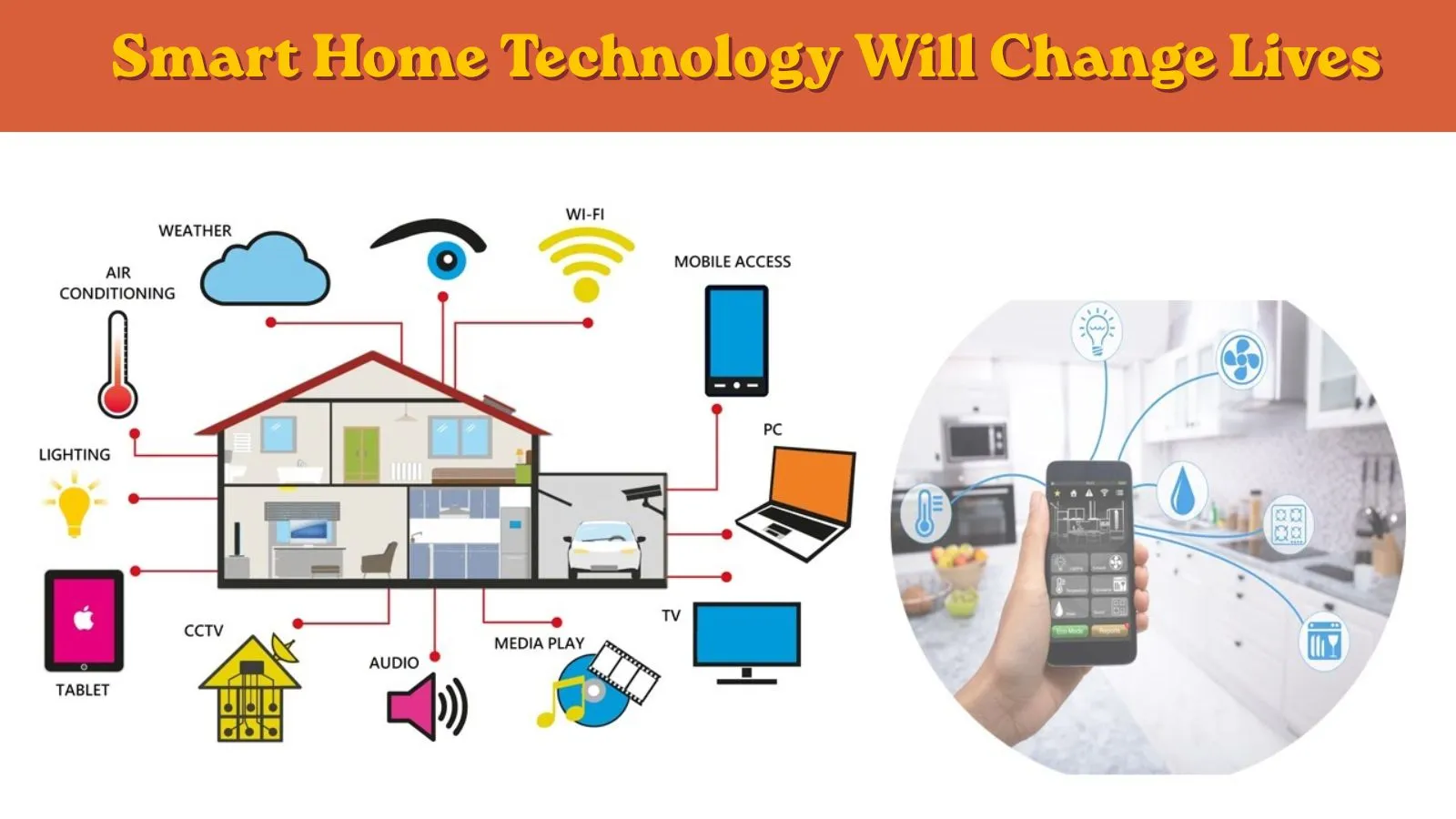
Imagine walking into your home, and the lights adjust, your favorite music plays, and the temperature feels perfect. How smart home technology will change lives isn’t just futuristic hype—it’s happening now. With AI-driven automation and connected devices, everyday routines are evolving, making homes safer, energy-efficient, and surprisingly intuitive.
|See more Also: Technology Acceptance Model (TAM)
What Is Smart Home Technology?
Smart home technology refers to a network of connected devices—like smart lights, thermostats, cameras, and voice assistants—that can be controlled remotely via smartphones or automated using AI.
How Smart Homes Will Change Everyday Life
1. Effortless Convenience
Smart homes remove the need for manual tasks:
- Lights turn on automatically when you enter a room
- Thermostats adjust based on your preferences
- Voice assistants handle reminders, calls, and tasks
Devices like Amazon Echo and Google Nest Hub make everyday living smoother and faster.
2.Enhanced Security & Safety
Smart security systems offer:
- Real-time alerts on your phone
- Smart locks and doorbell cameras
- Motion detection and remote monitoring
Brands like Ring and Arlo Technologies are redefining home safety.
3. Energy Efficiency & Cost Savings
Smart devices optimize energy usage:
- Smart thermostats reduce electricity bills
- Automated lighting prevents waste
- Appliances run during off-peak hours
For example, Nest Thermostat learns your habits and adjusts temperatures automatically.
4. Personalized Living Experience
AI-driven systems learn your routine:
- Wake-up routines with lighting and music
- Customized room temperatures
- Entertainment tailored to your preferences
Smart homes adapt to you, not the other way around.
5. Better Support for Elderly & Disabled
Smart home technology improves accessibility:
- Voice control reduces physical effort
- Emergency alerts enhance safety
- Remote monitoring helps caregivers
This makes independent living much easier and safer.
6. Remote Control & Global Access
No matter where you are:
- Control your home via smartphone
- Check cameras while traveling
- Turn off appliances remotely
This level of control was impossible just a few years ago.
Future of Smart Home Technology
The future will bring even more innovation:
- Deeper AI integration
- Fully automated homes
- Smart cities connected to homes
- Improved data security and privacy
Companies like Samsung and Tesla are already working on next-generation smart ecosystems.
Challenges to Consider
While benefits are huge, there are some concerns:
- Privacy and data security risks
- High initial setup costs
- Device compatibility issues
Benefits of How Smart Home Technology Will Change Lives
- Saves time and effort through automation.
- Improves energy efficiency, lowering utility bills.
- Enhances security with smart surveillance and alarms.
- Increases convenience, allowing control with simple gestures or voice.
- Offers adaptability, learning preferences over time for personalized comfort.
In short, smart homes are not only futuristic—they are practical.
Real-World Applications of How Smart Home Technology Will Change Lives
- Home Security: Smart locks, cameras, and motion detectors protect families.
- Energy Efficiency: AI-controlled thermostats optimize heating and cooling.
- Healthcare Assistance: Sensors monitor elderly residents or those with disabilities.
- Entertainment: Multi-room audio and smart TVs respond to preferences.
- Daily Convenience: Automated vacuum cleaners, lighting, and reminders streamline chores.
The potential is limitless, blending innovation, software, and hardware seamlessly into daily routines.
Advantages and Disadvantages
| Advantages | Disadvantages |
|---|---|
| Enhanced convenience and automation | High initial setup costs |
| Improved energy efficiency | Dependency on internet connectivity |
| Advanced security features | Potential cybersecurity risks |
| Personalized comfort and adaptability | Learning curve for non-tech users |
| Remote access from anywhere | Compatibility issues among devices |
Is How Smart Home Technology Will Change Lives Safe and Secure?
Security is crucial. Advanced encryption, two-factor authentication, and regular software updates reduce risks. However, cybersecurity threats remain, especially for devices connected to the internet. Users should select trusted brands, avoid default passwords, and update firmware to maintain a secure environment. Ultimately, smart homes are safe when managed responsibly.
How Smart Home Technology Will Change Lives vs Traditional Homes
| Feature | Smart Home | Traditional Home |
|---|---|---|
| Automation | High | Low |
| Energy Efficiency | Optimized | Manual adjustments |
| Security | Real-time monitoring | Conventional locks |
| Remote Control | Available | Not possible |
| Personalization | AI learns routines | Fixed environment |
Clearly, smart homes provide automation, AI, and convenience that traditional setups can’t match.
Future of How Smart Home Technology Will Change Lives
The next decade promises even greater integration. Expect AI to predict needs before residents ask, cybersecurity to become more sophisticated, and devices to adapt effortlessly. Smart homes will evolve into intelligent companions, blending innovation, automation, and convenience while saving energy and enhancing lifestyles.
Common Problems and Solutions
- Connectivity Issues: Ensure a strong Wi-Fi network or mesh systems.
- Device Compatibility: Use universal hubs or smart home ecosystems.
- Privacy Concerns: Enable encryption and manage data sharing preferences.
- System Errors: Regularly update software and firmware.
- High Costs: Start small with essential devices, then expand gradually.
Smart home technology saves time, boosts comfort, and strengthens security. Voice-activated assistants, automated routines, and AI-driven insights make daily life smoother. While costs and cybersecurity require attention, the benefits clearly outweigh the drawbacks.
FAQs
1. Can smart home technology save energy?
Yes, AI optimizes heating, lighting, and appliances for efficiency.
2. Are smart homes secure?
With proper encryption and updates, they are generally safe.
3. Can I control smart devices remotely?
Yes, smartphones and tablets allow full control from anywhere.
4. Do smart homes work with voice commands?
Most systems integrate AI assistants like Alexa or Google Assistant.
5. Is installation difficult?
Basic devices are simple; complex systems may need professional setup.
6. Can smart homes help elderly people?
Absolutely, sensors and reminders assist with safety and daily routines.
7. Are smart homes expensive?
Initial setup can be costly, but long-term savings and convenience often offset this.
Final Verdict
How smart home technology will change lives is no longer a distant vision—it’s transforming everyday living. From convenience and security to energy efficiency and personalized comfort, smart homes offer practical benefits. By embracing AI, automation, and innovation, individuals can enjoy a safer, smarter, and more intuitive lifestyle without sacrificing simplicity.