
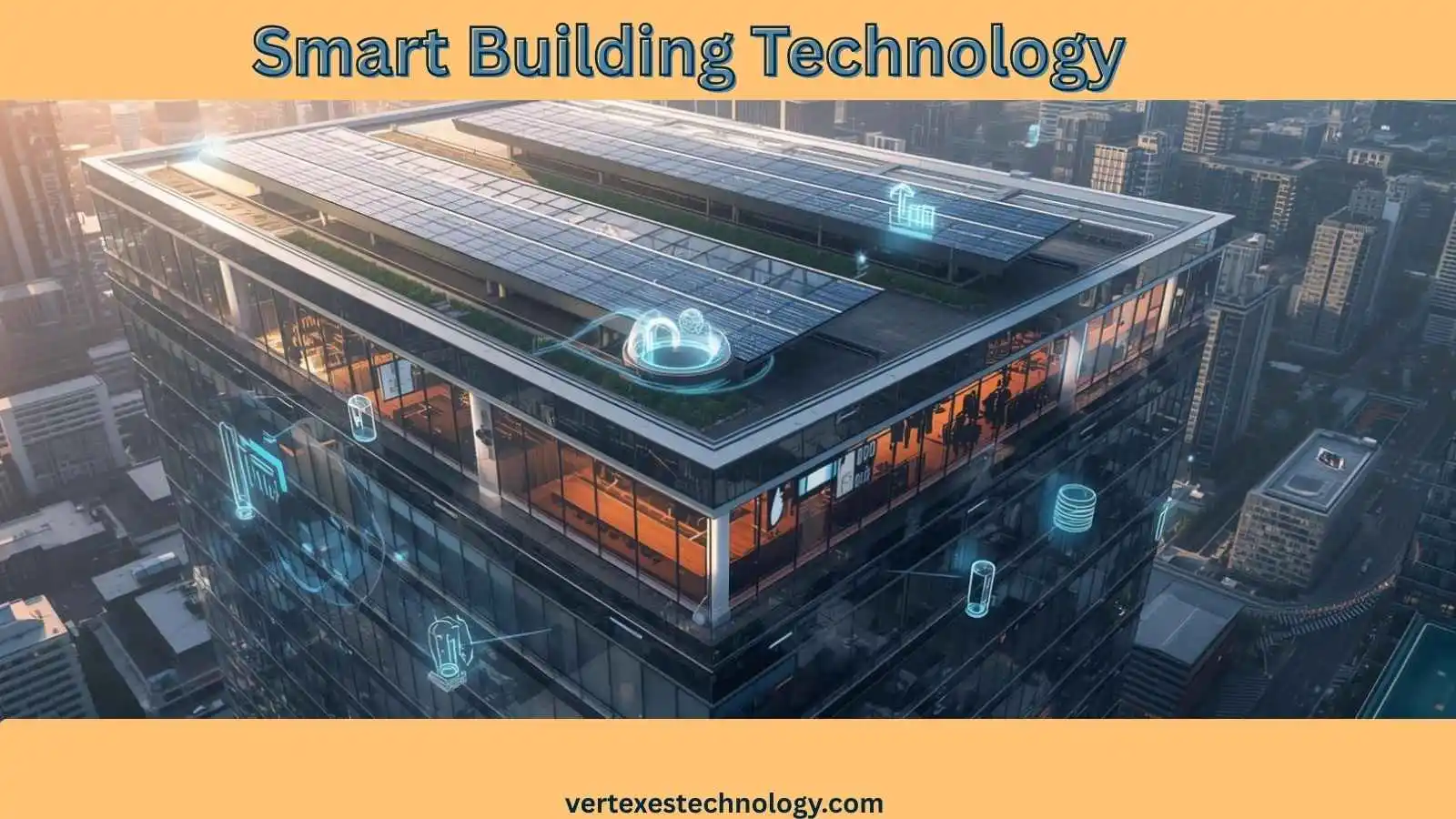
Smart Building Technology is transforming modern spaces into responsive, efficient environments that think ahead. By combining smart building systems with data intelligence, owners gain control over comfort, safety, and costs.
These buildings rely on intelligent building infrastructure that connects HVAC, lighting, and security into one digital brain. With IoT-enabled buildings, sensors constantly collect data to improve decisions in real time. Over time, AI-powered buildings learn usage patterns and fine-tune operations automatically. This approach reduces energy waste, improves occupant experience, and supports sustainability goals. In the United States, smart buildings are no longer optional upgrades. They represent a practical shift toward efficiency, resilience, and long-term value in construction and property management.
What Is Smart Building Technology?
At its core, Smart Building Technology refers to the use of intelligent building infrastructure that connects physical assets with software, sensors, and networks. Unlike traditional buildings that rely on fixed schedules, smart buildings use building automation systems and connected building technology to react instantly to real-world conditions. Lights dim when daylight is strong, cooling adjusts when rooms empty, and alerts appear before systems fail.
The evolution is striking. Early automation followed simple rules. Today’s IoT-enabled buildings rely on data streams, analytics, and AI-powered buildings logic. This shift marks a true digital building transformation, turning reactive spaces into proactive environments that optimize comfort, cost, and performance continuously.
Why Smart Building Technology Is Essential in Modern Construction
Modern construction faces rising energy costs and strict sustainability goals. Smart Building Technology answers both by enabling energy-efficient buildings that reduce waste without sacrificing comfort. Automated controls lower consumption, while analytics reveal hidden inefficiencies that humans often miss.
Beyond energy, sustainable building technology improves daily operations. Through advanced facility management, owners gain clarity and control. Intelligent property management tools enhance tenant experience, proving that green building innovation also delivers strong financial returns.
Core Components and Key Features of Smart Buildings
Smart buildings depend on tightly integrated systems that work as one. Energy management systems, smart security systems, and analytics platforms enable automated building management across large portfolios. Continuous real-time building monitoring supports fast decisions and steady performance.
On the ground, intelligent HVAC systems, smart lighting controls, and occupancy sensors form the nervous system. Together they drive building performance optimization, enabling self-optimizing buildings that respond smoothly to human behavior and weather changes.
| Smart Component | Core Function | Practical Benefit |
|---|---|---|
| Sensors | Track conditions | Accurate control |
| Analytics | Detect patterns | Lower costs |
| Automation | Execute actions | Consistent comfort |
Role of AI and IoT in Smart Building Technology
The real breakthrough comes from combining Internet of Things (IoT) in buildings with Artificial Intelligence in infrastructure. Sensors collect data while algorithms apply machine learning in building management to forecast needs and risks before problems surface.
This intelligence powers predictive maintenance systems, fault detection and diagnostics, and smarter automation. With cloud-based building analytics and edge computing in smart buildings, responses become faster, safer, and more reliable across complex facilities.
Smart Building Construction Process and Technologies Used
A successful smart project begins at design. Teams use Building Information Modeling (BIM) to map systems digitally before construction starts. During build-out, Programmable Logic Controllers (PLC) and BACnet protocol integration ensure seamless communication.
After testing and commissioning, digital twin technology mirrors the real building for optimization. Using non-proprietary building standards protects flexibility, allowing upgrades as next-generation building technology emerges.
Real-World Smart Building Technology Examples and Projects
Real projects prove the impact. One Bryant Park in New York demonstrates how smart commercial buildings cut emissions while improving comfort. Amsterdam’s The Edge shows how data can reshape productivity and energy use.
Across the U.S., campuses and hospitals deploy connected building technology to enhance safety and reliability. These examples highlight how smart infrastructure solutions deliver measurable value at scale.
Smart Building Technology Courses, Certifications, and Learning Resources
As adoption grows, education follows. Universities and platforms offer programs covering facility management technology, cybersecurity, and analytics. Certifications now focus on AI-driven building solutions and hands-on system integration.
Professionals studying smart building platforms gain skills aligned with smart building industry trends, ensuring relevance in a fast-moving market.
Smart Building Technology Companies, Market Leaders, and Solutions
Major building technology companies lead the global smart building market with platforms spanning analytics, controls, and security. These firms support infrastructure digitalization across commercial real estate.
Startups also drive PropTech innovation, delivering flexible tools for commercial real estate technology and city-scale deployments. Choice now defines competitive advantage.
Smart Building Technology Jobs, Careers, and Future Opportunities
Demand for experts continues to rise. Roles span data analysts, engineers, and managers supporting AI-driven building solutions. Skills in analytics and automation unlock long-term careers.
With expanding smart city projects, professionals shape intelligent urban ecosystems that blend buildings, energy, and mobility into one digital fabric.
Challenges, Risks, and Future Trends of Smart Building Technology
Despite benefits, challenges remain. Smart building cybersecurity and data security in IoT buildings demand constant attention. Integration costs and connected infrastructure risks also require planning.
Looking ahead, autonomous smart buildings, self-sustaining buildings, and digital twins in infrastructure define the future. These trends point toward intelligent energy optimization and truly eco-friendly building solutions.
FAQs
- What is smart building technology?
Smart building technology uses sensors, software, and automation to monitor and control building systems for better efficiency, comfort, and safety. - Which technology is used in building smart?
Smart buildings use IoT sensors, AI analytics, building management systems, cloud platforms, and automation controls. - What is an example of a smart building?
The Edge in Amsterdam is a famous smart building that uses sensors and data to optimize energy and workspace use. - What are examples of smart technology?
Smart thermostats, smart lighting, facial-recognition access systems, and energy monitoring platforms are common examples. - What are 5 smart materials?
Self-healing concrete, electrochromic glass, phase-change materials, shape-memory alloys, and aerogels. - What are the 4 types of technology?
Information technology, communication technology, mechanical technology, and electrical technology. - What are the benefits of smart buildings?
They reduce energy costs, improve comfort, enhance safety, and simplify building management. - What is an example of building technology?
Building automation systems that control HVAC, lighting, and security are a key example. - What are the top 5 BMS systems?
Siemens Desigo, Schneider Electric EcoStruxure, Honeywell Building Management, Johnson Controls Metasys, and ABB Ability.
Final Thoughts
Smart Building Technology is shaping a future where buildings actively support people and the planet. With smart building systems, owners achieve better control, efficiency, and insight. Intelligent building infrastructure enables safer operations, while AI-powered buildings adapt over time to real needs. As IoT-enabled buildings expand across the U.S., this shift drives sustainability, comfort, and value. Investing in smart buildings today means preparing for smarter cities tomorrow, where technology works quietly in the background to make everyday life smoother, greener, and more resilient.