
A small cavity can hide for years.
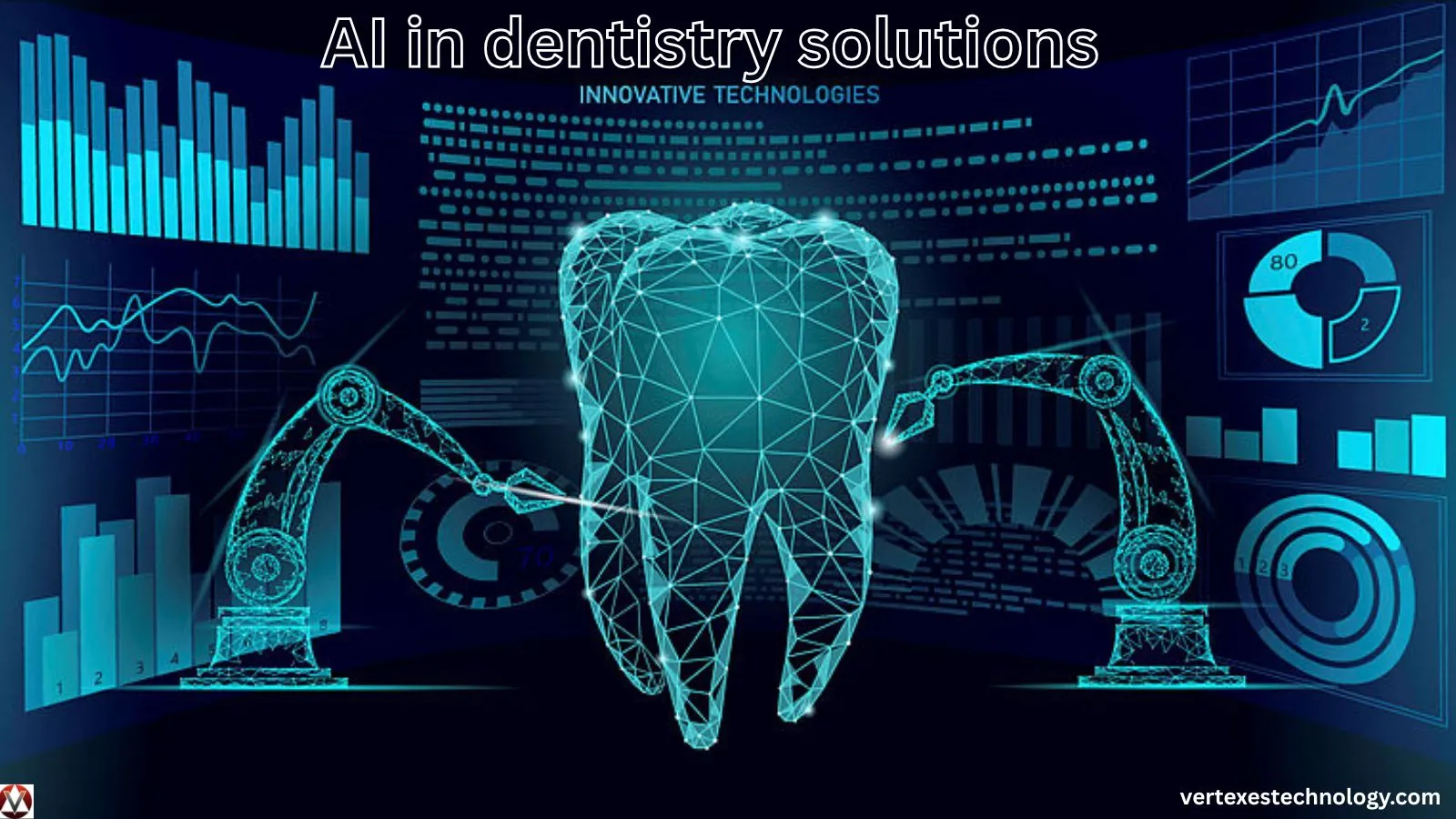
Even skilled dentists may miss early warning signs. Dental imaging produces huge amounts of data, and reviewing every detail takes time. AI in dentistry solutions is changing how clinics diagnose, treat, and manage oral health. Software tools now support dentists with deep learning, predictive analytics, and automated image analysis.
Artificial intelligence offers a new approach. Smart systems analyze scans within seconds. Algorithms detect patterns invisible to the human eye.
Technology will not replace dentists. It will strengthen their decisions and improve patient outcomes.
|Learn more About: AI case studies in enterprise adoption
What is AI in Dentistry Solutions?
AI in dentistry solutions refers to using artificial intelligence software and data-driven systems to improve dental diagnosis, treatment planning, and patient care.
These systems combine machine learning, neural networks, and predictive analytics to analyze dental images and patient data.
Dental AI tools can examine:
- X-rays and CT scans
- Patient health records
- Treatment histories
- Clinical imaging data
The system builds data models from thousands of cases. Over time, the software learns to detect cavities, gum disease, bone loss, and other dental issues.
This technology helps dentists identify problems earlier and plan treatments more accurately.
How AI in Dentistry Solutions Works
AI in dentistry solutions rely on several advanced technologies working together.
Algorithms
Algorithms are step-by-step instructions that process dental data. These rules help software analyze images, identify patterns, and detect abnormalities.
Example,
An algorithm can measure tooth structure and highlight suspicious areas on an X-ray.
Machine Learning
Machine learning allows the system to improve through experience. The software trains on thousands of dental images.
Each image teaches the model how healthy teeth look compared to diseased teeth.
As more data enters the system, accuracy improves.
Neural Networks
Neural networks mimic the structure of the human brain. These models contain multiple layers that analyze image features.
Deep learning networks study shape, contrast, and texture within dental scans. They recognize patterns linked to cavities or gum disease.
Data Models and Predictive Analytics
AI systems use predictive analytics to forecast dental problems before symptoms appear.
Data models examine:
- Oral health history
- Age and risk factors
- Previous treatments
The system estimates the likelihood of future dental issues.
This insight helps dentists create preventive care plans.
Key Features of AI in Dentistry Solutions
Modern dental AI platforms offer powerful capabilities.
Automated Image Analysis
AI software scans dental images instantly and highlights areas needing attention.
Diagnostic Support
Algorithms suggest possible diagnoses based on data models.
Predictive Analytics
AI forecasts potential oral health risks using patient data.
Workflow Automation
Automation tools reduce administrative tasks and improve clinic efficiency.
Treatment Planning Assistance
AI recommends treatment strategies based on similar cases.
Patient Communication Tools
Some systems create visual explanations for patients using AI-generated insights.
These features transform dental clinics into data-driven healthcare environments.
Benefits of AI in Dentistry Solutions
The use of AI in dentistry solutions offers several advantages for both dentists and patients.
Faster Diagnosis
AI analyzes images within seconds, saving valuable clinical time.
Improved Accuracy
Deep learning models detect early-stage issues that humans might miss.
Better Treatment Planning
Predictive analytics supports personalized dental care.
Reduced Human Error
Automated analysis lowers the risk of misdiagnosis.
Higher Clinic Efficiency
Automation streamlines scheduling, records, and reporting.
Enhanced Patient Trust
Visual AI reports help patients understand their treatment needs.
Technology empowers dentists with clearer insights and stronger decision support.
Real-World Applications of AI in Dentistry Solutions
AI already supports many areas of dental practice.
Cavity Detection
AI analyzes X-rays to identify early tooth decay.
Gum Disease Diagnosis
Machine learning models detect periodontal disease patterns.
Orthodontic Treatment Planning
AI predicts tooth movement and suggests aligner adjustments.
Dental Imaging Analysis
Deep learning tools evaluate 3D scans and CT images.
Implant Planning
Predictive analytics helps dentists choose the best implant placement.
Patient Risk Assessment
AI predicts which patients are more likely to develop dental problems.
These applications improve both preventive and corrective dental care.
Risks & Ethical Concerns of AI in dentistry solutions
Despite its benefits, AI in dentistry solutions introduces some challenges.
Data Privacy Risks
Dental records contain sensitive patient information. Strong cybersecurity protection is essential.
Algorithm Bias
AI models may reflect biases in training datasets.
Over-Reliance on Automation
Dentists must maintain professional judgment instead of relying fully on AI recommendations.
High Implementation Costs
Advanced AI software and hardware systems require investment.
Regulatory Compliance
Healthcare regulations vary across regions, which complicates adoption.
Ethical technology design helps address these concerns through transparency and responsible data use.
AI in Dentistry Solutions vs Traditional Dental Diagnosis
| Feature | AI in Dentistry Solutions | Traditional Dentistry |
|---|---|---|
| Image Analysis | Automated deep learning models | Manual review |
| Diagnosis Speed | Seconds | Minutes |
| Accuracy | Data-driven insights | Experience-based |
| Predictive Ability | Predictive analytics | Limited forecasting |
| Automation | Workflow automation | Mostly manual |
Traditional dentistry relies heavily on clinical experience. AI introduces data-supported insights and advanced automation.
Both approaches work best together.
Future of AI in Dentistry Solutions
The future of AI in dentistry solutions looks promising. Dental technology continues to evolve rapidly.
Innovations:
- Fully automated dental imaging analysis
- AI-powered robotic dental procedures
- Real-time diagnostic support during treatment
- Smart dental devices connected through cloud systems
- Personalized oral care plans using predictive data models
Deep learning systems will continue improving as more dental data becomes available.
AI may also integrate with wearable health devices. These tools could monitor oral health indicators daily.
Dentists will still lead patient care. AI will simply enhance their capabilities.
FAQs about AI in dentistry solutions
1. How can AI be used in dentistry?
AI helps dentists analyze X-rays, detect cavities early, plan treatments, and automate patient records using machine learning and predictive analytics.
2. What are the 4 types of AI?
The four main types are Reactive Machines, Limited Memory AI, Theory of Mind AI, and Self-Aware AI.
3. What is the 50-40-30 rule in dentistry?
The 50-40-30 rule is a financial guideline where about 50% revenue goes to overhead, 40% to dentist compensation, and 30% remains as profit or reinvestment.
4. What is the 2-2-2 rule in dentistry?
The 2-2-2 rule suggests visiting the dentist twice a year, brushing teeth twice a day, and brushing for two minutes each time.
5. What is the future of AI in dentistry?
AI will enable faster diagnosis, robotic dental procedures, personalized treatment planning, and predictive oral healthcare.
6. What is the best AI for dentistry?
Popular AI tools include Pearl AI, Overjet AI, VideaHealth, and Diagnocat, which help dentists analyze dental images and improve diagnosis accuracy.
Final Verdict
Artificial intelligence is transforming modern dental care. AI in dentistry solutions combines automation, machine learning, and predictive analytics to improve diagnosis and treatment planning.
Dentists gain deeper insights into patient data. Patients receive faster and more accurate care. Challenges remain, especially around data security and ethical technology use. However, continued innovation will refine these systems.
The future of dentistry will likely blend human expertise with powerful AI-driven tools. This partnership will lead to smarter, safer, and more efficient dental healthcare.