
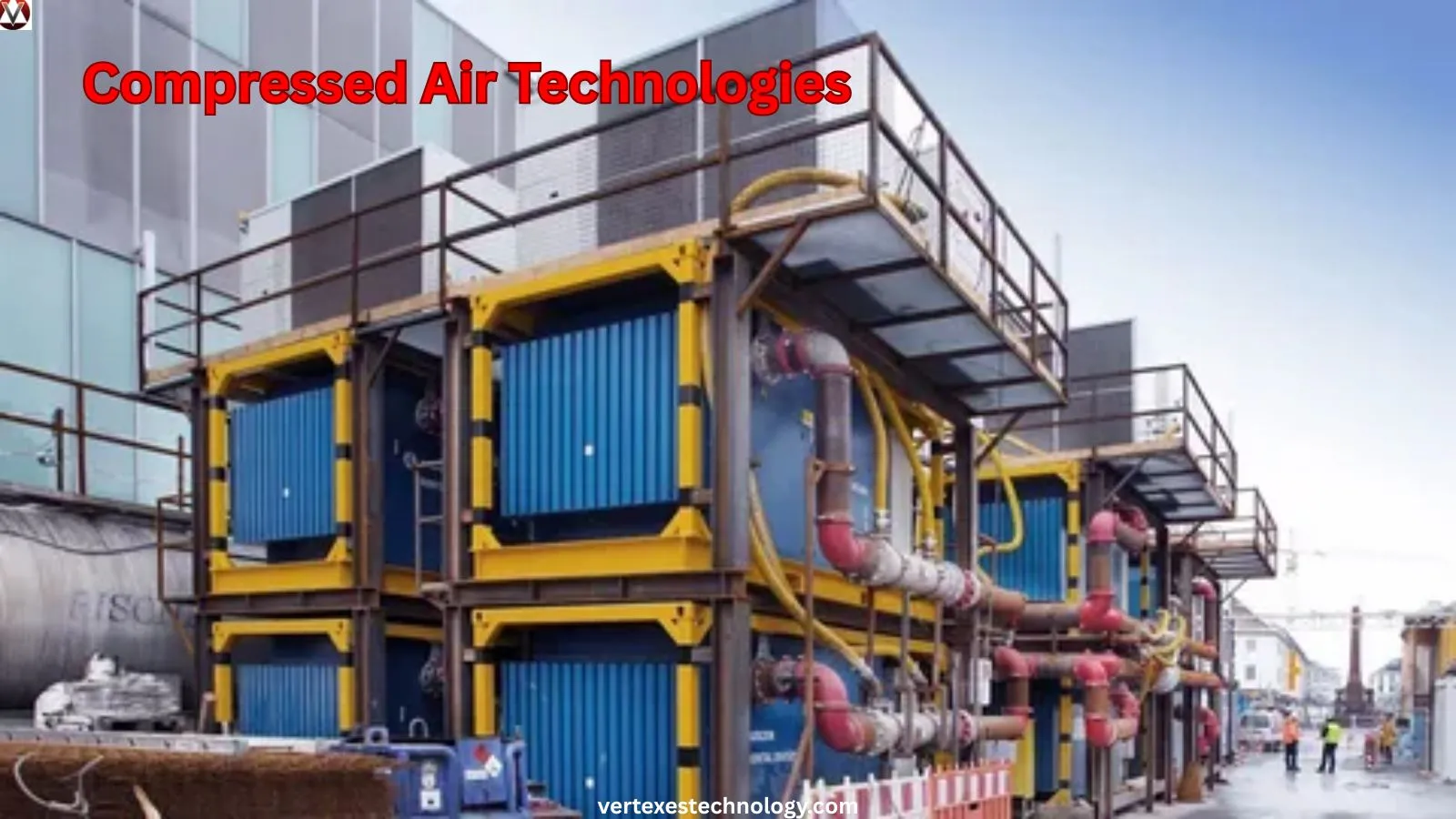
Ever wondered how factories power machines without plugging them in? Compressed air technologies quietly drive countless industrial processes, from inflating tires to running robotic arms.
This invisible force transforms energy into motion, yet many underestimate its impact. Let’s unravel the mechanics, benefits, and futuristic innovations behind this remarkable technology.
RELATED: Hot Forging Processing Technology
What is Compressed Air Technologies?
Compressed air technologies involve systems that store and deliver pressurized air for mechanical work. By transforming ordinary air into a high-energy force, industries can run tools, control automation, and even power vehicles. This technology blends engineering precision with practical versatility, making it a backbone of modern industrial operations.
How Does Compressed Air Technologies Work?
These systems operate by using air compressors to squeeze atmospheric air into pressurized tanks. Valves, pipes, and regulators guide this energy to tools or machinery. For example, in automotive workshops, air-powered wrenches spin faster and smoother than electric ones. The principle is simple: more pressure equals more work output, reliably and efficiently.
Key Features of Compressed Air Technologies
- High-pressure storage enables continuous operation without frequent refills.
- Durable piping and fittings reduce leakage and improve efficiency.
- Automation-ready controls integrate seamlessly with AI or software systems.
- Energy-efficient compressors lower operating costs while maintaining performance.
These features combine to make compressed air systems both robust and versatile.
Benefits of Compressed Air Technologies
Compresseds air technologies provide unparalleled flexibility and safety in industrial settings. They reduce reliance on electricity for hand tools, minimize fire hazards, and enhance precision in delicate manufacturing. Moreover, modern designs emphasize energy efficiency, making them environmentally friendly and cost-effective over long-term use.
Real-World Applications of Compressed Air Technologies
Industries leverage compresseds air technologies in surprising ways:
- Manufacturing: powering assembly line robotics.
- Healthcare: driving dental and surgical instruments.
- Automotive: operating paint sprayers and tire inflators.
- Food processing: moving materials without contamination.
Everywhere it’s used, compressed air enhances productivity while reducing downtime.
Advantages and Disadvantages
Advantages:
- Reliable and flexible power source
- Reduces electrical hazards
- Scalable for small or large operations
Disadvantages:
- Initial setup cost can be high
- Maintenance of compressors and pipes is critical
- Energy loss can occur through leaks if not monitored
Is Compressed Air Technologies Safe and Secure?
From a technical standpoint, safety depends on proper maintenance and pressure regulation. Over-pressurization can damage equipment or cause injury, so safety valves, gauges, and routine inspections are essential. With automation and monitoring software, modern systems maintain high reliability while ensuring operator safety.
Compressed Air Technologies vs Electric Motors
| Feature | Compressed Air | Electric Motors |
|---|---|---|
| Power Source | Air Pressure | Electricity |
| Safety | Low fire risk | High spark risk |
| Flexibility | Highly portable | Limited by cords |
| Maintenance | Requires regular checks | Can be less frequent |
Compressed air often outperforms electric tools where portability and fire safety are priorities, though electric systems excel in constant high-power applications.
Future of Compressed Air Technologies
The future promises smarter, AI-integrated compressors, reduced energy footprints, and hybrid systems combining air and electric power. Innovations in nano-material seals and predictive maintenance software will extend system life and efficiency. Industries embracing these advances can achieve higher productivity and lower environmental impact.
Common Problems and Solutions
- Air leaks: Regularly inspect hoses and fittings to maintain pressure.
- Compressor overheating: Install cooling systems or cycle compressors.
- Contaminated air: Use high-quality filters to prevent tool damage.
- Noise pollution: Apply soundproofing or choose quieter compressor models.
FAQs About Compressed Air Technologies
1. What tools use compressed air?
Air wrenches, spray guns, pneumatic drills, and robotics commonly use pressurized air.
2. How often should compressors be maintained?
Typically, every 3–6 months depending on usage and load.
3. Can compressed air systems save energy?
Yes, modern compressors reduce energy waste and lower operating costs.
4. Is compressed air safer than electricity?
In many industrial applications, yes, because it reduces spark and fire risks.
5. Can compressed air be used in healthcare?
Absolutely, dental drills and surgical tools rely on clean, pressurized air.
6. What industries benefit most from compressed air?
Manufacturing, automotive, food processing, and healthcare industries see the most advantage.
Final Verdict
Compressed air technologies quietly power countless industries, combining efficiency, safety, and versatility. As AI integration and energy-efficient innovations advance, their role will expand further, making them essential for any modern industrial setup. Investing in a well-maintained system ensures productivity, safety, and cost savings for years to come.