
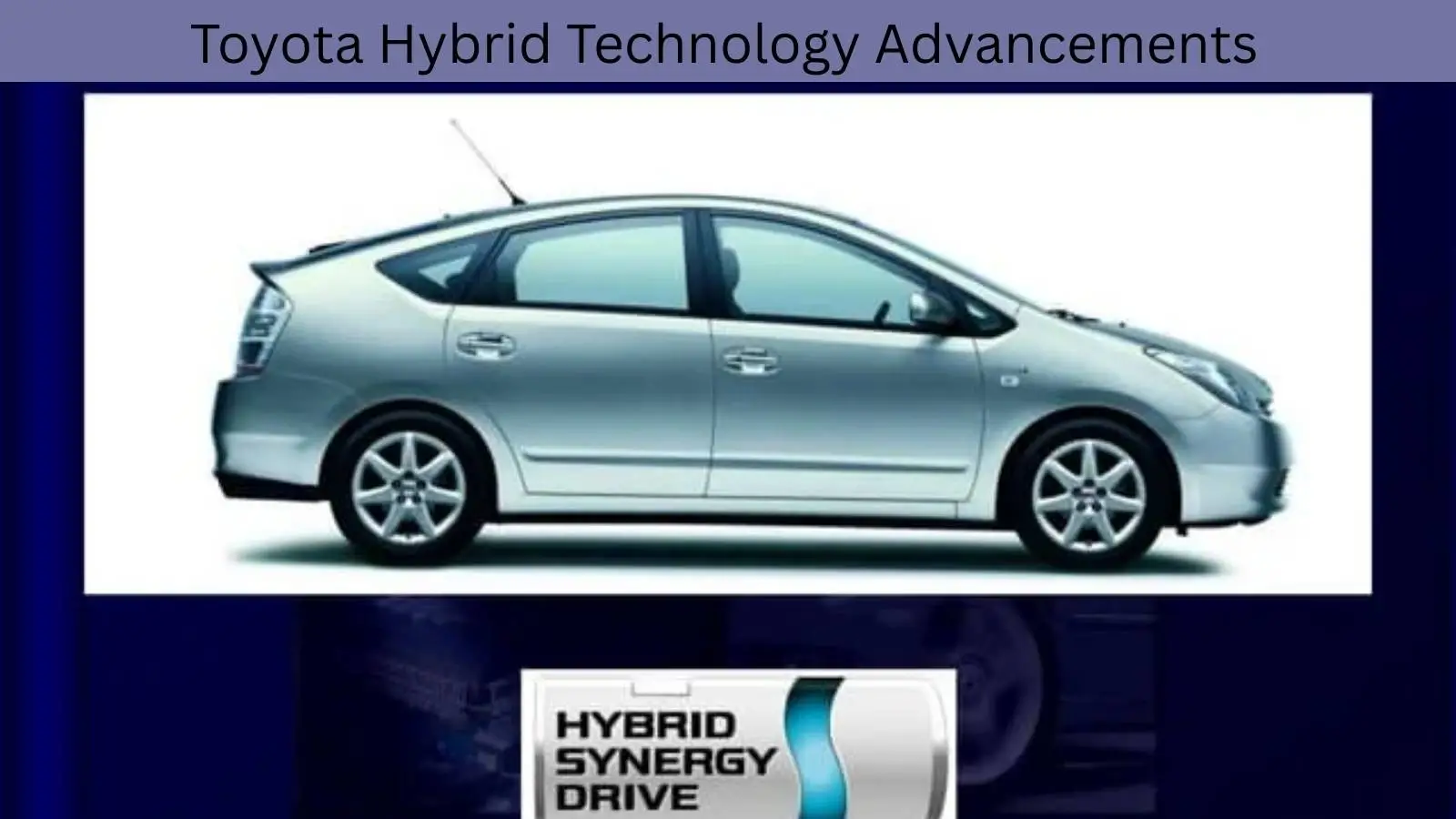
Toyota currently uses the latest Hybrid Synergy Drive (HSD) system in its hybrid vehicles, offering a seamless blend of electric motor and gasoline engine integration. This technology improves fuel economy ratings while maintaining smooth Toyota hybrid performance for city and highway driving. Innovations include smarter energy distribution, which optimizes power usage and reduces overall fuel consumption.
The regenerative braking system captures energy during deceleration to recharge the battery, making fuel-efficient Toyota vehicles even more effective. Drivers enjoy silent EV mode driving, ideal for quiet city streets, and hybrid vehicles that automatically switch between power sources. With improved battery efficiency, Toyota continues to lead in both hybrid SUV and sedan offerings.
Why Toyota Developed Hybrid Vehicle Technology

Toyota developed hybrid technology to address growing concerns over environmental sustainability and rising fuel costs. Eco-friendly cars like the Toyota Prius, Camry Hybrid, RAV4 Hybrid were designed to reduce dependency on gasoline while offering performance reliability for everyday drivers. Meeting California emission standards was also a key goal.
Historically, the Prius introduced hybrid cars to the global market, demonstrating that reduced vehicle emissions can be achieved without sacrificing comfort or style. Toyota’s approach balances environmental responsibility with consumer needs, making hybrids a practical solution for both city commuting and long-distance driving.
Key Features That Make Toyota Hybrids Special
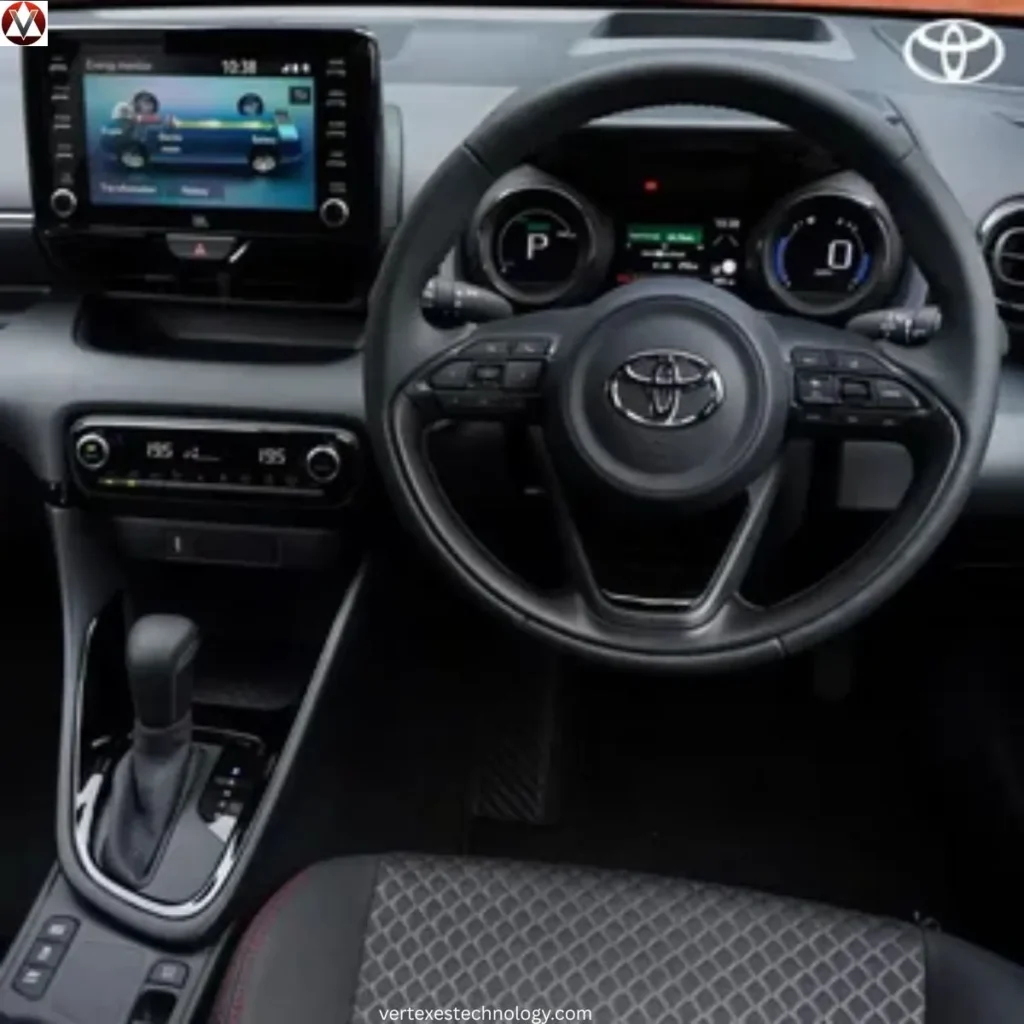
Toyota hybrids feature cutting-edge electric motor and gasoline engine integration, delivering smooth acceleration and high fuel economy ratings. The Hybrid Synergy Drive (HSD) automatically switches between power sources for optimal efficiency, while the regenerative braking system maximizes energy recovery during deceleration.
Compared to traditional vehicles, low-maintenance hybrid vehicles require less frequent servicing. Components like brakes and transmissions experience lower wear, ensuring longevity. Additionally, the silent EV mode driving adds comfort for urban traffic, making city commuting hybrid cars an ideal choice for eco-conscious drivers.
Life Expectancy and Reliability of Toyota Hybrid Engines
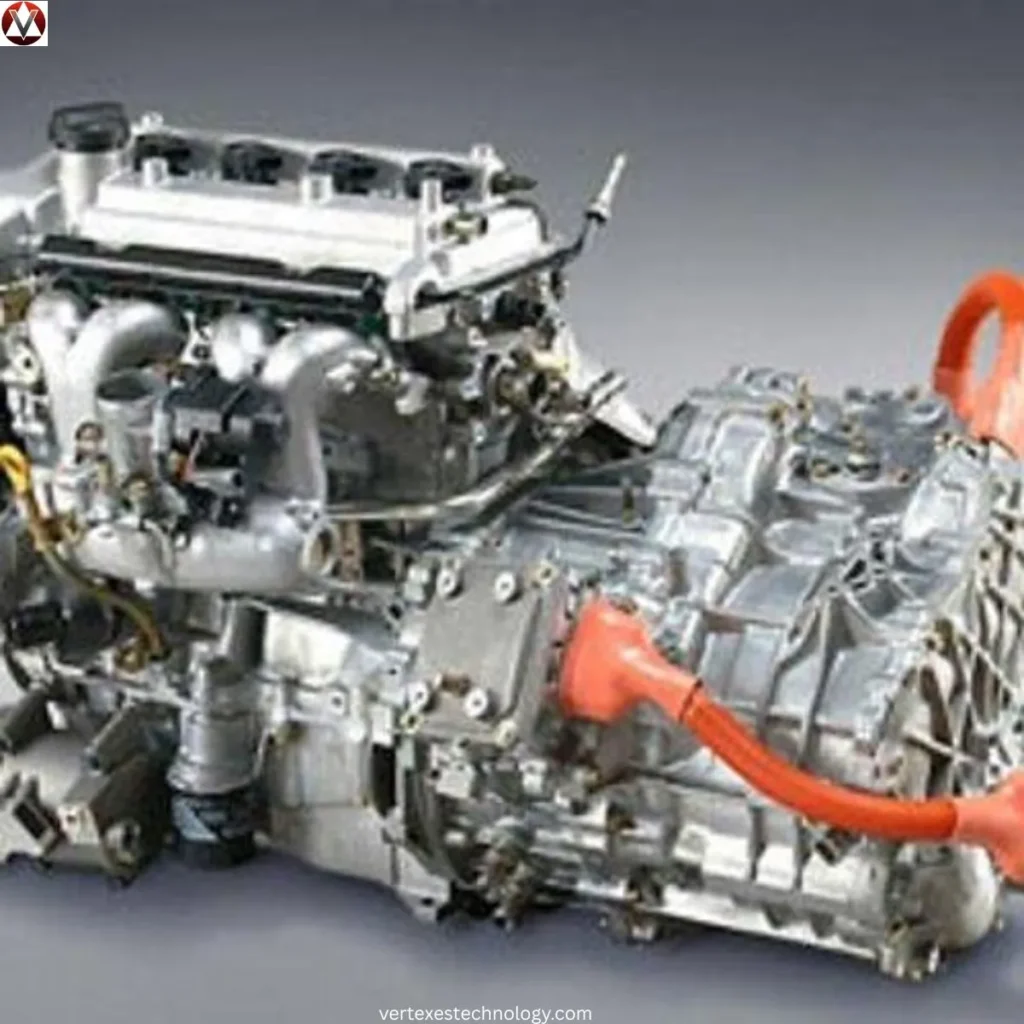
With proper care, Toyota hybrids can last 15–20 years or over 300,000 miles, demonstrating high durability. The combination of Hybrid Synergy Drive (HSD) efficiency and fuel-efficient Toyota vehicles engineering ensures long-term reliability. Regular maintenance and battery checks enhance engine lifespan and performance.
Real-world data shows many Prius and RAV4 Hybrid owners report minimal issues over a decade of use. Toyota hybrid performance remains consistent over time, providing confidence for buyers seeking long-term ownership. Their low-maintenance hybrid vehicles reduce unexpected repair costs while maintaining high resale value.
Potential Disadvantages of Toyota Hybrid Cars
While hybrids excel in efficiency, there are trade-offs. Initial purchase prices of Toyota hybrid models tend to be higher than conventional vehicles, and battery replacement can be expensive. Heavy use may slightly reduce fuel economy ratings, especially in older models.
Some drivers experience reduced performance under extreme conditions. However, proper care and routine maintenance help maintain Toyota hybrid performance. Despite these challenges, eco-friendly cars remain a strong choice for long-term savings and reduced environmental impact.
Toyota’s Strategic Approach to Hybrid Innovation
Toyota continues to invest in hybrid technology despite the rise of full EVs. Their pragmatic electrification approach focuses on fuel-efficient Toyota vehicles while expanding hybrid SUV and sedan options for different markets. US production plants contribute to innovation and job growth, reinforcing Toyota’s leadership.
This strategy allows Toyota to innovate with features like advanced Hybrid Synergy Drive (HSD), improved batteries, and smart energy management. It also supports global adoption of eco-friendly cars while balancing the transition toward electric vehicles.
Popular Toyota Hybrid Models and Their Advancements
Key Toyota hybrid models include the Toyota Prius, Camry Hybrid, RAV4 Hybrid, and Highlander Hybrid. The Prius remains the flagship hybrid, offering unmatched fuel economy ratings. The Camry Hybrid blends power and efficiency, while RAV4 Hybrid offers SUV versatility with reduced vehicle emissions.
All models feature electric motor and gasoline engine integration, regenerative braking system, and silent EV mode driving for quiet city rides. Advances in battery efficiency and Toyota hybrid performance improvements enhance reliability, making hybrids suitable for both urban commuters and long-distance travelers.
The Future of Toyota Hybrid Technology
Toyota is developing solid-state batteries, improving regenerative braking systems, and enhancing hybrid-electric SUVs. Hybrids remain relevant even as full EVs grow because they offer eco-friendly cars without range anxiety. Future models will provide longer EV-only ranges and higher efficiency.
By combining fuel-efficient Toyota vehicles with smart electrification strategies, Toyota ensures hybrids stay competitive. Their balance between hybrids and full EVs allows drivers to enjoy Toyota hybrid performance while reducing vehicle emissions and maintaining reliability for decades.
Common Questions About Toyota Hybrids
Toyota hybrids can last 15–20 years or more, with typical issues involving battery replacement or minor Toyota hybrid performance adjustments. Many owners enjoy silent EV mode driving and reduced fuel expenses. Celebrity drivers like Leonardo DiCaprio often prefer the Prius for eco-conscious commuting.
The most common problems include aged battery packs, minor electronic issues, and occasional reduced EV range. Proper maintenance ensures longevity, and low-maintenance hybrid vehicles remain practical for city commuting and family use.
How to Choose the Right Toyota Hybrid for Your Needs
Choosing the right Toyota hybrid model depends on driving habits, fuel efficiency priorities, and budget. Consider Toyota Prius, Camry Hybrid, RAV4 Hybrid for city commuting, long drives, or family use. Evaluate fuel economy ratings, EV-only range, and maintenance costs.
Dealerships offer incentives, financing options, and test drives to help buyers make informed decisions. Selecting the right hybrid ensures a balance between eco-friendly cars, Toyota hybrid performance, and long-term savings.
FAQs
What generation of hybrid technology is Toyota currently using?
Toyota uses the latest Hybrid Synergy Drive (HSD) 4th generation, combining improved battery efficiency, electric motor and gasoline engine integration, and regenerative braking.
Why did Toyota develop hybrid vehicle technology?
Toyota developed hybrids to reduce vehicle emissions, improve fuel efficiency, and offer eco-friendly cars for sustainable transportation.
Why are hybrids being discontinued?
Some hybrids are being phased out due to the rise of full electric vehicles (EVs) and evolving consumer demand for longer EV ranges.
What is special about Toyota Hybrid?
Toyota hybrids offer Hybrid Synergy Drive (HSD), silent EV mode driving, excellent fuel economy ratings, and low-maintenance hybrid vehicles.
What is the life expectancy of a Toyota hybrid engine?
With proper care, a Toyota hybrid engine can last 15–20 years or over 300,000 miles.
What are the disadvantages of a hybrid car Toyota?
Higher initial cost, expensive battery replacement, and slightly reduced performance in extreme conditions.
Will a hybrid last 20 years?
Yes, with proper maintenance and care, most Toyota hybrids can last up to 20 years.
Does Leonardo DiCaprio really drive a Prius?
Yes, Leonardo DiCaprio is known for driving a Toyota Prius as part of his eco-friendly lifestyle.
What is the most common problem of Toyota Prius?
Battery aging and occasional electrical system issues are the most common problems.
Final Thoughts
Toyota hybrids demonstrate how innovation, efficiency, and sustainability can coexist. With Hybrid Synergy Drive (HSD), electric motor and gasoline engine integration, and regenerative braking systems, these vehicles offer low-maintenance hybrid vehicles suitable for urban and long-distance driving. Buyers benefit from fuel-efficient Toyota vehicles with impressive longevity, quiet silent EV mode driving, and compliance with California emission standards. While initial costs are higher, long-term savings, reduced fuel consumption, and environmental benefits make Toyota hybrids a smart investment. Their balance of performance, eco-friendliness, and practicality keeps Toyota at the forefront of hybrid technology innovation, making it a compelling choice for modern drivers seeking reliable and sustainable vehicles.