
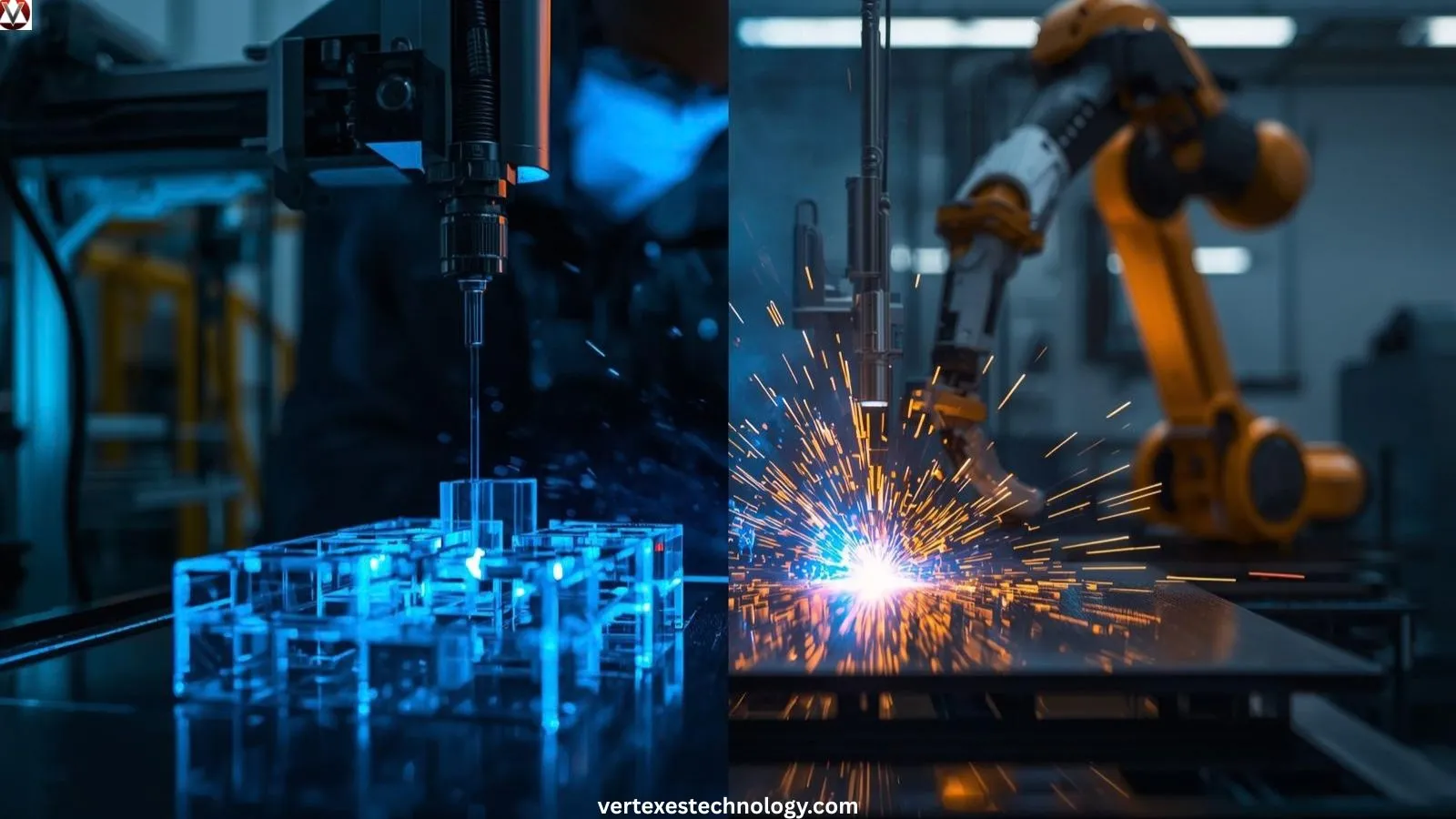
Factories once relied on bolts and glue. Today precision heat does the job faster. Welding and Plastic Welding Technology quietly powers modern manufacturing. From cars to medical tubes this craft bonds metals and polymers. Meanwhile industrial automation and robotic welding reshape how engineers build durable products.
|learn more about us: Communication Technologies for Logistics
What is Welding and Plastic Welding Technology?
Welding and Plastic Welding Technology refers to joining materials using heat pressure or both. Metal welding melts surfaces. Plastic welding softens thermoplastic materials instead. Engineers rely on polymer engineering principles and heat fusion to create strong seams that behave like a single solid piece.
Plastic Welding Types
Plastic welding includes several techniques designed for different plastic welding materials and industrial needs. Common methods include hot air welding, ultrasonic plastic welding, friction welding, and extrusion welding. Each technique applies heat or vibration to soften thermoplastics, allowing them to fuse. Manufacturers choose methods based on thickness, precision, production speed, and strength requirements.
Plastic Welding Uses
Plastic welding plays a vital role across modern manufacturing industries. Automotive companies use it to seal plastic fuel tanks and dashboards. Medical manufacturers weld sterile tubing and containers. Electronics industries protect delicate circuits with sealed housings. Because plastic welding technology creates durable joints, companies prefer it over adhesives for reliability and long-term performance.
Ultrasonic Plastic Welding
Ultrasonic plastic welding uses high-frequency vibrations to generate heat between plastic surfaces. The vibration melts the contact point within seconds. Once cooled, the materials form a strong molecular bond. This ultrasonic plastic welding method works well for precision plastic components such as medical devices, electronics housings, and packaging seals.
Plastic Welding Kit
A plastic welding kit provides essential tools for repairing or joining plastic parts. Most kits include a plastic welding gun, heating tips, filler rods, and mesh supports. DIY users and technicians rely on these kits to fix plastic bumpers, water tanks, and containers. Portable kits make plastic welding repair simple and efficient.
How Does Welding and Plastic Welding Technology Work?
The process starts with controlled energy. Machines generate heat using friction electricity or hot gas. The softened edges meet under pressure. As they cool a permanent bond forms. Modern systems often use robotic welding and AI-driven quality control to ensure perfect alignment and consistent weld strength.
Key Features of Welding and Plastic Welding Technology
Modern welding systems include impressive engineering traits that increase reliability and speed.
- Precision temperature management
- Automated seam inspection
- Digital weld monitoring
- Integration with industrial automation systems
- Smart sensors powered by AI-driven quality control
These features transform simple joining into a sophisticated manufacturing innovation.
Benefits of Welding and Plastic Welding Technology
Manufacturers favor this process for durability and efficiency. Welding and Plastic Welding Technology produces strong joints without additional fasteners. That means lighter products and lower costs. Furthermore robotic welding improves speed while industrial automation reduces errors across large production lines.
Real-World Applications of Welding and Plastic Welding Technology
This technology hides inside everyday items. Automotive fuel tanks rely on thermoplastic materials fused by precision heat. Hospitals use welded plastic tubing for sterile fluid systems. Meanwhile electronics manufacturers employ polymer engineering techniques to seal delicate components inside durable protective housings.
Advantages and Disadvantages
Every technology carries strengths and limitations. Welding is no exception.
| Advantages | Disadvantages |
|---|---|
| Strong permanent joints | Requires skilled setup |
| Fast production speeds | Equipment can be expensive |
| Compatible with industrial automation | Heat may damage sensitive materials |
| Works with thermoplastic materials | Requires careful safety monitoring |
Despite limitations the benefits usually outweigh drawbacks in industrial settings.
Is Welding and Plastic Welding Technology Safe and Secure?
Safety depends on proper controls. Modern factories monitor temperature pressure and electrical output carefully. Systems connected to AI-driven quality control detect abnormal weld patterns instantly. Standards from organizations like International Organization for Standardization guide procedures while cybersecurity protects connected welding equipment within smart factories.
Welding and Plastic Welding Technology vs Adhesive Bonding
Both methods join materials yet they behave differently. Welding and Plastic Welding Technology creates molecular fusion. Adhesives form chemical bonds between surfaces.
| Feature | Welding | Adhesive Bonding |
|---|---|---|
| Strength | Very high | Moderate |
| Production speed | Fast with robotic welding | Slower curing |
| Materials | Metals and thermoplastic materials | Many surfaces |
| Durability | Excellent under stress | Sensitive to environment |
Therefore heavy industries usually prefer welding.
Future of Welding and Plastic Welding Technology
Innovation continues at a surprising pace. Engineers now explore laser welding and friction stir techniques. Smart factories integrate AI-driven quality control with predictive analytics. Soon machines may adjust weld parameters automatically. This evolution will strengthen industrial automation and accelerate global manufacturing innovation.
Common Problems and Solutions
Even advanced welding systems occasionally face hiccups. Fortunately engineers know how to fix them.
Weak joints: Usually caused by poor temperature control. Improve heat fusion calibration.
Material warping: Reduce pressure or adjust cooling speed.
Inconsistent seams: Use robotic welding systems for steady movement.
Surface contamination: Clean thermoplastic materials before welding.
Technical Insight Behind Weld Strength
Weld durability depends on molecular interaction. When heat softens materials polymer chains interlock tightly. Engineers study this behavior through polymer engineering and materials science. For example deeper heat fusion improves strength because melted layers mix thoroughly before cooling.
FAQs About Welding and Plastic Welding Technology
What is plastic welding used for?
Plastic welding joins thermoplastic materials in products like pipes tanks medical tubing and automotive parts.
Is plastic welding stronger than glue?
Yes. Welded plastic often becomes nearly as strong as the original material.
Which industries use welding technology most?
Automotive aerospace construction electronics and medical manufacturing rely heavily on it.
Can welding be automated?
Yes. Many factories use robotic welding connected to industrial automation systems.
Is plastic welding environmentally friendly?
Often yes because it avoids chemical adhesives and reduces waste.
What materials cannot be plastic welded?
Thermoset plastics usually cannot melt again so welding rarely works.
Final Verdict
Modern manufacturing would struggle without this joining method. Welding and Plastic Welding Technology blends physics engineering and smart automation. It delivers strength speed and reliability across countless industries. As AI-driven quality control and industrial automation evolve the future of welding looks brighter than a freshly sparked arc.